
Halalbihalal Actually Originated from Conflict: Here's Its History
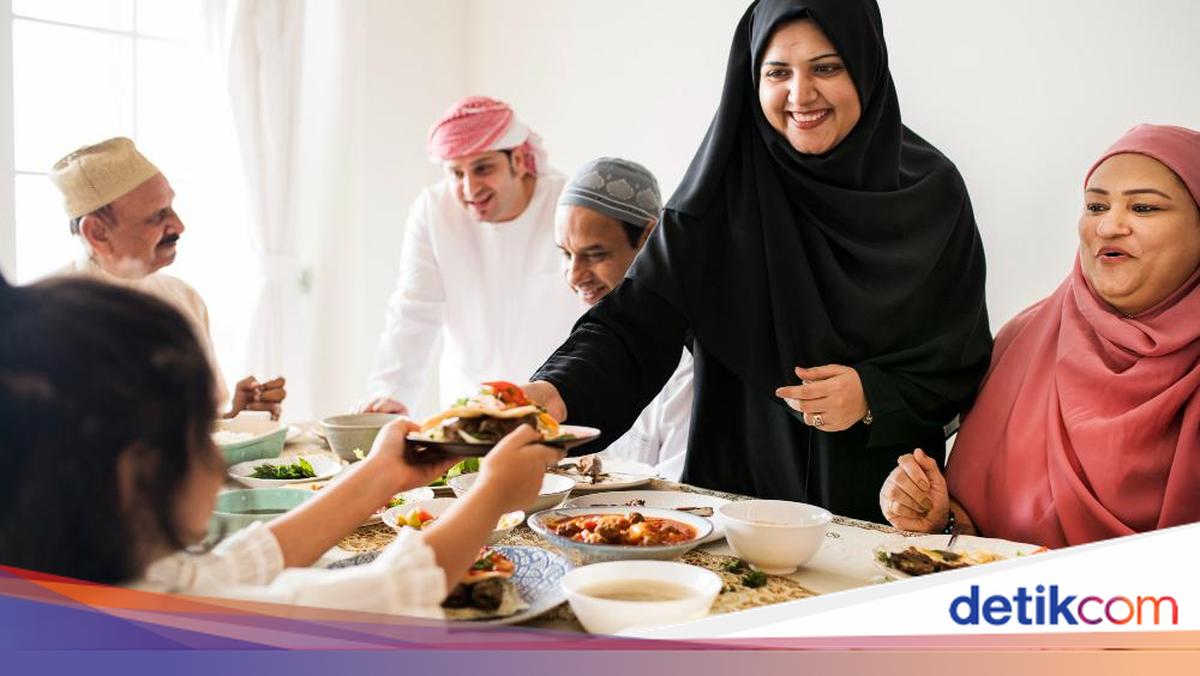
Halalbihalal is always synonymous with the warm atmosphere of Eid al-Fitr—handshakes, apologies, and strengthening of ties. However, behind this familiar tradition lies an intriguing history: halalbihalal once emerged as a solution to ease political conflicts in Indonesia. Nowadays, the tradition has become an inseparable part of Lebaran, from families and offices to government institutions, serving as a space to reconnect strained relationships. So, what is the origin of halalbihalal and what is its true meaning in Islam? History of Halalbihalal in Indonesia Halalbihalal is not merely a spontaneous tradition, but the result of a long journey of culture and history deeply rooted in Indonesia. Traces Since the 15th Century Long before Indonesia’s independence, practices similar to halalbihalal were known during the Walisongo era in the 15th century. This is recorded in various ancient manuscripts such as Babad Cirebon, Babad Demak, and Babad Tanah Jawa. At that time, the ulama introduced the Dharma Sunya ritual to Kapitayan society. This tradition was carried out once a year as a moment for introspection and mutual forgiveness, which became the precursor to halalbihalal. 18th-Century Court Tradition Entering the 18th century, similar values developed in Javanese culture through the “pisowanan” tradition in the Keraton Mangkunegaran, Surakarta. Raden Mas Said or KGPAA Mangkunegara I required soldiers and courtiers to perform sungkeman to the king after Eid al-Fitr. This practice became a symbol of respect as well as an apology, which persists to this day in community culture. Widely Known in the 20th Century The term halalbihalal began to appear in written records in the early 20th century. The Suara Muhammadiyah magazine edition from 1924 had already used this term. There is also a unique story from Solo around 1935-1936. An Indian martabak seller popularised the term through his sales promotion: “Malabar martabak, halalbihalal”. That phrase then became familiar to the public. Popularised as a Conflict Solution (1948) The peak of halalbihalal’s popularity occurred in 1948. KH Abdul Wahab Chasbullah introduced this concept to President Soekarno as a way to ease national political tensions. At that time, political elites were difficult to unite. Halalbihalal was then used as a forum for reconnection to forgive each other and rebuild broken relationships. From there, halalbihalal developed widely, not only as a religious tradition but also as a means of social reconciliation. The Meaning of Halalbihalal in Islam Linguistically, halalbihalal comes from the Arabic word “halal” which has broad meanings, one of which is to untangle something knotted (ḥalla al-ḥabl). In social life, halalbihalal is interpreted as a process of “straightening” relationships—resolving conflicts, thawing atmospheres, and reopening interrupted communication. From an Islamic perspective, this tradition becomes an important momentum for: - Sincere mutual forgiveness - Cleansing the heart of grudges - Strengthening Islamic brotherhood - Building a harmonious life Therefore, halalbihalal is not just a formality of Lebaran, but a reflection of the core values of Islamic teachings on the importance of maintaining human relationships.