
Halal Extends Beyond Alcohol and Pork: Key Issues in Imported Food Products
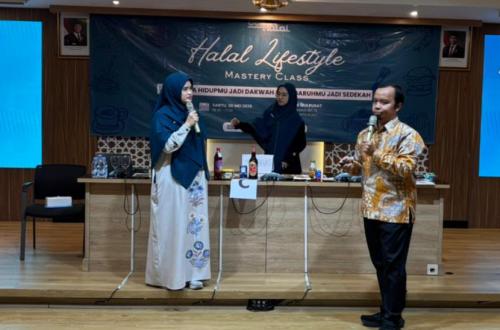
Amid the growth of the global food industry and the proliferation of imported products in Indonesia’s market, halal experts caution the public against assuming that all vegetarian, vegan, or meat-free products are automatically halal. The complexity of raw material supply chains, use of enzymes, fermented alcohol, and shared production facilities often necessitate deeper investigation into a product’s halal status. This message emerged during an interactive Mastery Class: Halal Lifestyle workshop organised by Indonesian halal influencers alongside the Food, Drug, and Cosmetic Examination Agency of the Indonesian Ulema Council (LPPOM MUI). During the educational quiz-style event, participants discussed critical halal issues surrounding condiments and imported food products widely available in Indonesian supermarkets. Corporate Secretary of LPPOM MUI, Raafqi Ranasasmita, stated that public halal literacy must be strengthened as numerous misconceptions persist without adequate understanding of food technology and halal regulations. According to Raafqi, a common misconception is that vegetarian or vegan food is automatically halal due to the absence of meat. In reality, halal status depends not only on the presence of animal-derived ingredients but also on additives, production processes, and raw material sources. He explained that certain Buddhist vegan groups adhere to stricter rules than most consumers, avoiding cooking alcohol like angciu, MSG, and even alliums such as onions and garlic. “I once thought all vegetarian products could use any ingredients except meat, such as angciu or MSG. However, certain strict Buddhist vegan groups prohibit angciu, MSG, and even alliums,” Raafqi said on Saturday, 30 May 2026. Since they avoid alcohol-based ingredients like angciu, these vegan dishes have a higher chance of meeting halal criteria. However, Raafqi stressed that Muslim consumers must not determine halal status based solely on assumptions or dietary preferences. The interactive quiz revealed that label checks are often insufficient to confirm a product’s halal status, especially for imports. Consumers should verify through official halal databases and investigate manufacturer information when data is limited. Consumers should also document products with questionable ingredients for further review, including consulting food technology experts. One debated topic was red wine vinegar. Some participants assumed it was haram because it comes from wine. Raafqi explained that Indonesian fatwas permit vinegar derived from khamr (alcohol) transformation, whether natural or technological, provided supporting ingredients remain halal and pure. However, he deemed commercial red wine vinegar as syubhat (doubtful), not due to the grapes but potential use of enzymes for clarification. These enzymes can come from various sources, making halal verification challenging. Raafqi also clarified misconceptions about alcohol in fermented products like shoyu or Japanese soy sauce. He noted that not all alcohol listed on food labels renders a product haram. In food manufacturing, alcohol may form naturally during fermentation or be added in small quantities as a stabiliser to prevent spoilage. As long as the alcohol is not from alcoholic beverage industries and is used for food technology purposes, it is permissible under halal regulations. He distinguished such technical alcohol from ingredients like mirin or sake, which are produced as intoxicating drinks and thus have different legal status. The workshop also addressed consumer confusion over imported products where foreign halal logos are covered by stickers in Indonesia. This phenomenon often raises suspicions of non-halal status or fake certificates. It also covered administrative requirements for halal assurance in Indonesia. Products with foreign halal certificates must undergo recognition or harmonisation processes per Indonesian government regulations before displaying foreign halal logos officially. Therefore, a product may be halal-certified in its country of origin, but its halal logo cannot be displayed freely in Indonesia until administrative procedures are completed. The workshop also examined the halal status of several international food products. Daesang sauce from South Korea was deemed halal due to compliant certification. Lea & Perrins Worcestershire sauce was noted to hold halal certification from an accredited body.