
Hajj "War Ticket" Proposal: Deputy Minister Explains the Scheme – No Queues, Pilgrims Pay in Full
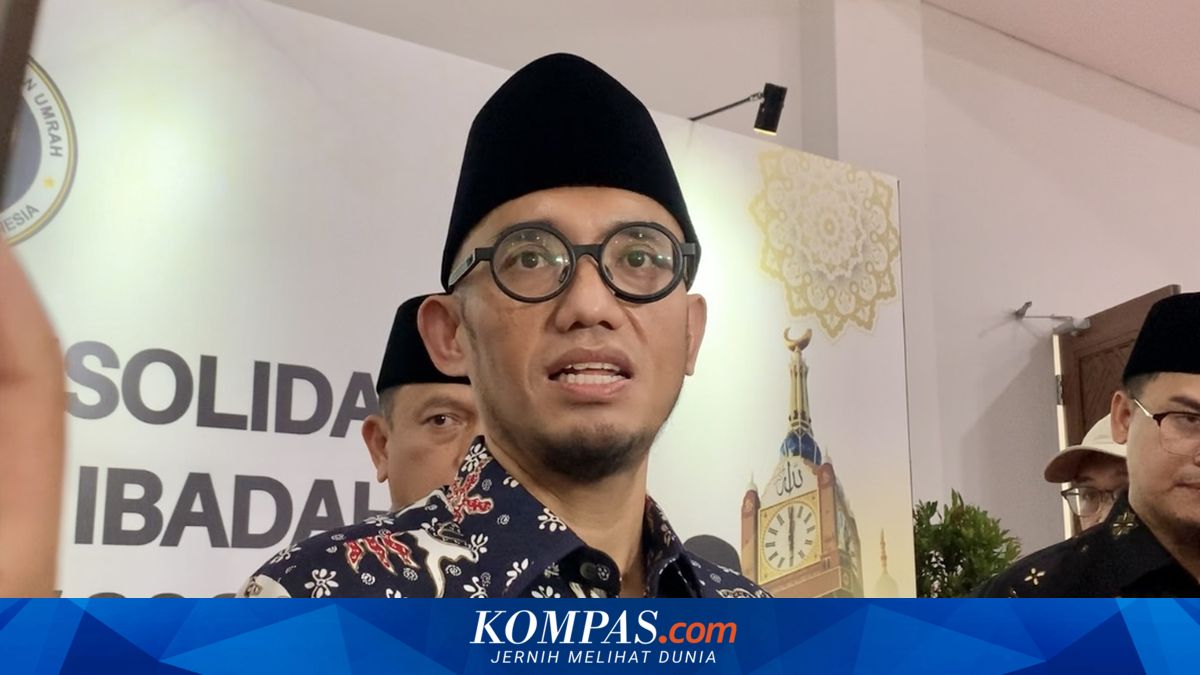
The government, through the Ministry of Hajj and Umrah (Kemenhaj), is examining a new scheme for organising the Hajj pilgrimage in the form of a “war ticket”. This proposal was presented by Deputy Minister of Hajj and Umrah Dahnil Anzar Simanjuntak at the Kemenhaj National Working Meeting in Tangerang on Friday (10/4/2026). The scheme is intended to shorten the current average Hajj waiting period of 26.4 years. However, this policy is still in the discussion stage and has not been implemented for the 2026 Hajj season. “In the future, if Saudi Arabia opens a large quota, we will introduce two schemes. The first is the existing queue scheme. The second scheme, as termed by the Minister (Irfan Yusuf), is the war ticket,” stated Deputy Minister Dahnil. The war ticket scheme is designed as an alternative for pilgrims who wish to depart more quickly without the long wait. Under this scheme, pilgrims opting for the war ticket must pay the full Hajj cost according to the actual value of the pilgrimage without subsidies. “For example, if set at Rp200 million per person, that becomes the full amount paid by pilgrims choosing this scheme (war ticket),” said Deputy Minister Dahnil. Meanwhile, pilgrims remaining in the regular queue will receive subsidies or benefits from Hajj fund management. “Everything is paid in full by the pilgrims, without the benefits like in the regular scheme,” stated Deputy Minister Dahnil. The quota for the war ticket scheme is projected to come from additional quotas provided by the Saudi government, not from the annual regular quota. Additionally, this scheme considers Saudi Arabia’s Vision 2030, which targets increasing the number of global Hajj pilgrims from around two million to more than five million people. This quota increase impacts the growing financing needs for Hajj. “Such a number may not be fully supported by the current Hajj finances (managed by BPKH),” said Deputy Minister Dahnil.