
Hajj 'War Ticket' Proposal: Deputy Minister Assures No Sacrifice for Queued Pilgrims
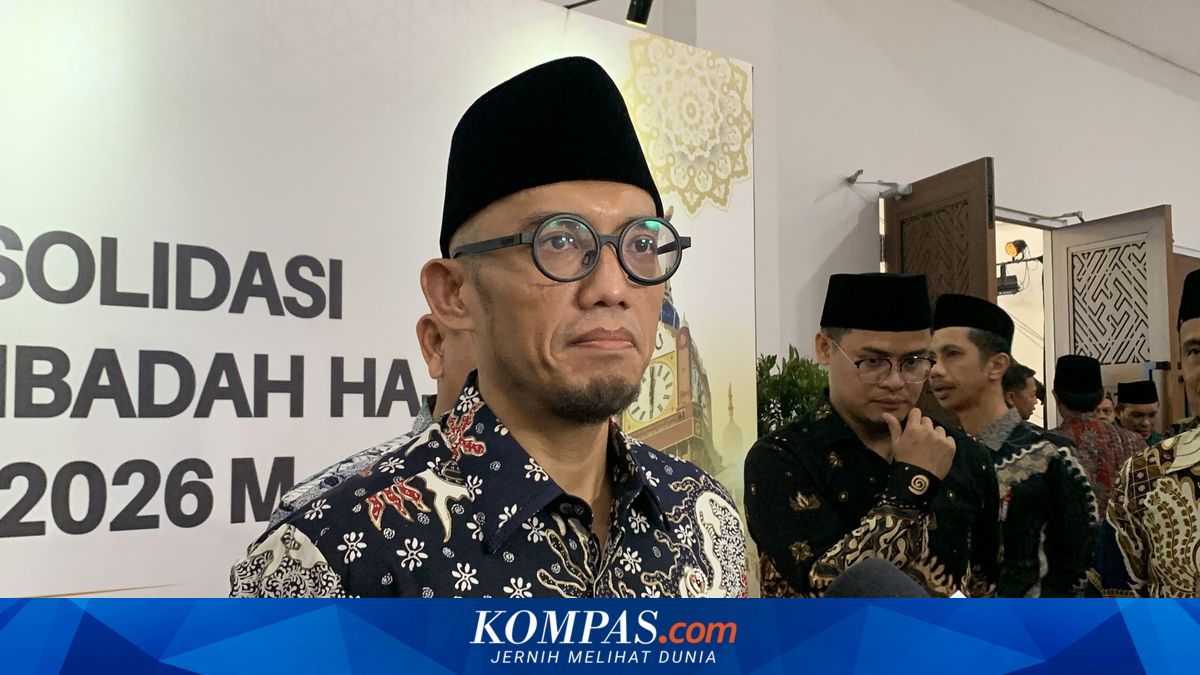
TANGERANG - Indonesia’s Deputy Minister for Hajj and Umrah (Wamenhaj), Dahnil Anzar Simanjuntak, believes that the ‘war ticket’ scheme can be implemented without sacrificing prospective Hajj pilgrims who have already registered. He stated that this proposal emerges as a transformation in Hajj organisation to shorten waiting periods for pilgrims. “It (the war ticket) does not sacrifice those in the queue, but provides an opportunity to accelerate the queue to make it shorter, so that in subsequent years, there will be no more queues,” Dahnil said when met at the closing event of the National Hajj Consolidation Working Meeting for 1447 Hijriah or 2026 AD at the Tangerang Hajj Hostel on Friday (10/4/2026). “We are using the crude term, the popular term war ticket. War ticket does not mean competing to buy on websites and such; we are building the system,” he added. He gave an example: if this scheme is decided by the government and the DPR with a Hajj cost of Rp 200 million, then capable prospective pilgrims can buy directly. “Hajj pilgrims who can afford to pay Rp 200 million can just buy. Those who want to stay in the queue, they remain in the queue; everything must be covered through strong regulations to enable a fundamental transformation in Hajj financial governance,” he said. However, the government has not yet established this proposal as an official policy to be set this year or next. This scheme will be applied if there is a large quota increase from Saudi Arabia, so it does not affect pilgrims who have been waiting in line for decades. For instance, in 2030, the Saudi Arabian government is planned to accommodate more than 5 million pilgrims. Thus, Indonesia’s Hajj quota could become 500,000 from 221,000, or more than 150 percent. “That means more than 150 percent (quota). Is it possible not to cover it with current Hajj finances? It turns out it’s not possible. Why? Because the number is quite large,” he explained. “If it rises to 500,000 pilgrims, that could be more than Rp 40 trillion. It’s possible that Hajj finances cannot cover it, and that will also not reduce the queue numbers,” he said. Because not all Hajj quotas can be subsidised by the state, the ‘war ticket’ proposal has become a topic of discussion to reduce queue numbers.