
Hajj Rice Exports to Saudi Arabia Seen as Strengthening Indonesia's Trade Balance
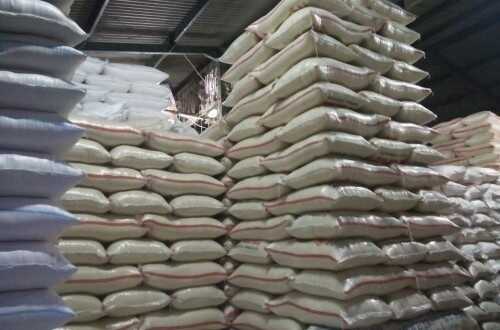
An IPB University agriculture analyst, Prima Gandhi, regards the first export of 2,280 tonnes of Indonesian rice to Saudi Arabia in 2026 as strengthening the national trade position. The move demonstrates an increase in production capacity while opening room for the food sector to contribute to the balance of trade.
He views the achievement as evidence of the sustainability of the government’s agricultural production enhancement programme under President Prabowo Subianto. Rising production performance provides space for Indonesia to begin entering export markets without compromising domestic needs.
‘This export is tangible proof that Indonesia’s rice self-sufficiency is not temporary, but continues to operate sustainably and productively,’ Gandhi said on Thursday (5 March 2026).
He added that rice exports carry strategic value for food security as well as the national balance of trade. Increased production creates opportunities for Indonesia to strengthen its role in the international rice market.
Advances in production and the management of national rice stocks are also key factors. Indonesia currently records large rice reserves, which gives room for export policies.
‘Our production leap is well above the average. If domestic stocks and supplies are maintained, export becomes a strategic step to strengthen Indonesia’s role in the global market,’ Gandhi said.
Earlier, the government also permitted the export of 545 tonnes of poultry products worth Rp18.2 billion to Singapore, Japan and Timor-Leste. Shipments are being phased until 31 March 2026.
This step strengthens the position of the national poultry industry, which has achieved self-sufficiency in chicken and eggs. The industry is starting to broaden its markets to various destination countries.
On Wednesday (4 March 2026), Indonesia officially exported premium rice to Saudi Arabia to meet the needs of Indonesian pilgrims during the 2026 Hajj season. The shipments were made by Perum Bulog from the Bulog Kelapa Gading Warehouse, Jakarta.
This step marks a new phase in national food management. Indonesia not only safeguards rice availability and stability domestically, but also begins supplying the consumption needs of Hajj pilgrims in the Holy Land with produce from Indonesian farmers.