
Hajj Quota Corruption Scandal Exposed: Former Religious Affairs Minister Yaqut Receives Bribes
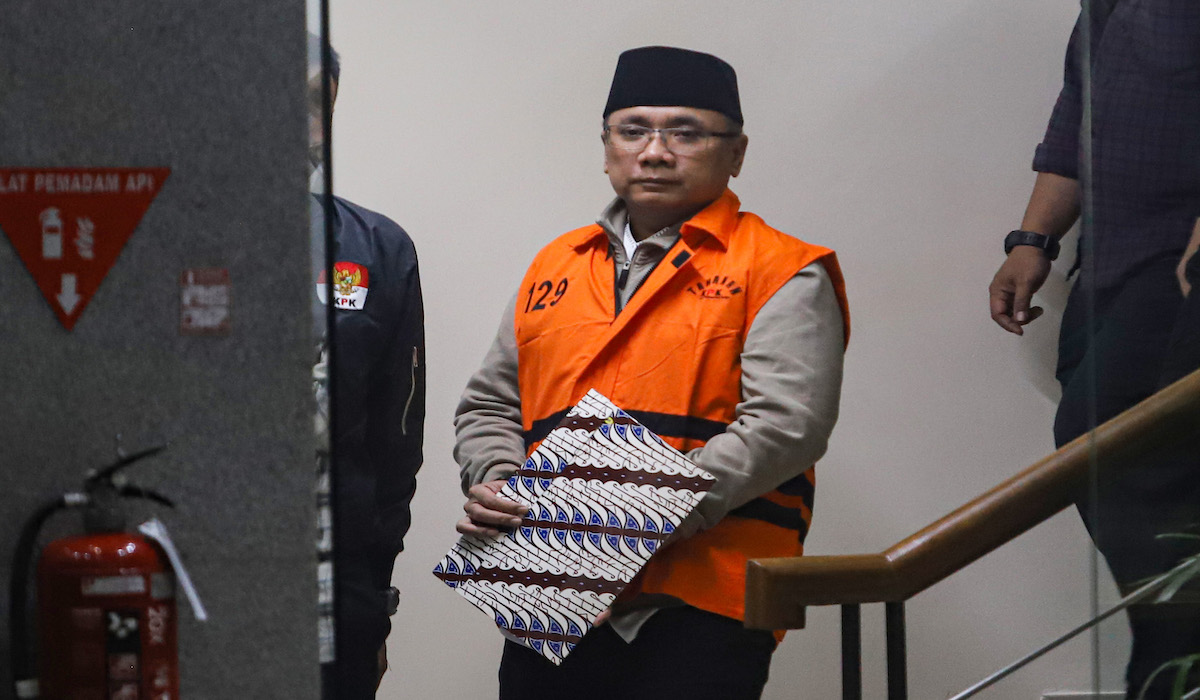
The Corruption Eradication Commission (KPK) formally detained former Minister of Religious Affairs Yaqut Cholil Qoumas on Thursday, 12 March 2026, in connection with alleged corruption involving the organisation and distribution of hajj quotas at the Religious Affairs Ministry (Kemenag).
KPK Deputy for Prosecution and Execution Asep Guntur Rahayu stated that investigations revealed illicit flows of acceleration fees to Yaqut, Special Staff member Ishfah Abidal Aziz (known as Gus Alex), and other ministry officials.
“Based on the KPK investigation team’s findings, Rizky Fisa Abadi provided acceleration fees to YCQ, IAA, and several officials at the Religious Affairs Ministry,” said Asep Guntur at KPK’s Red and White Building headquarters in South Jakarta.
In executing the scheme, Rizky Fisa Abadi, serving as Head of Sub-section for Licensing, Accreditation, and Special Hajj Organisation at Kemenag, allegedly operated under Gus Alex’s direction.
They employed the code “T0” to facilitate the departure of certain pilgrims instantly, bypassing legitimate queuing procedures. Rizky determined quotas for 54 Special Hajj Organisers (PIHK) to enable them to send pilgrims directly. The KPK discovered that perpetrators charged USD 5,000 or approximately Rp84.4 million per hajj quota.
“One method involved converting regular hajj pilgrims to visa mujamalah, redirecting them to special hajj,” Asep added.
The scandal emerged following discovery of irregularities in the distribution of 20,000 additional quotas provided by the Saudi Arabian Government. According to regulations, these quotas should have been distributed with 92 per cent allocated to regular hajj and 8 per cent to special hajj. However, the Religious Affairs Ministry instead divided the quotas equally, 50 per cent each. This manipulation is strongly suspected to have been deliberately executed to create opportunities for hajj quota commercialisation.
Yaqut Cholil Qoumas is currently in the first 20-day detention period for investigative purposes. The KPK affirmed it would continue investigating other parties’ involvement, having already examined witnesses from travel agencies and religious figures to complete case files before referral to trial.