
Hajj Quota Bribery Scandal: Facts Behind Alleged US$1 Million Flow from Former Religious Affairs Minister Yaqut
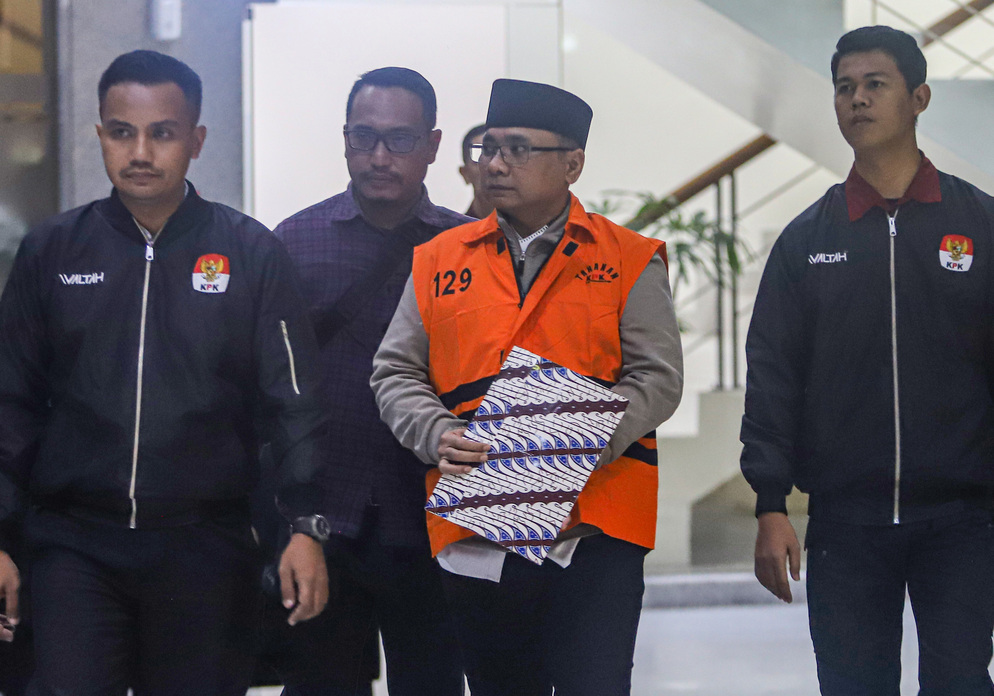
Indonesia’s political and legal landscape has been rocked by recent findings from the Corruption Eradication Commission (KPK) regarding alleged corruption in the administration of the 2023-2024 hajj pilgrimage. Former Minister of Religious Affairs Yaqut Cholil Qoumas has been arrested on suspicion of attempting to “pacify” the parliamentary Special Committee (Pansus) on Hajj with an extraordinary financial offer worth US$1 million, equivalent to approximately Rp17 billion.
This scheme came to light following Yaqut’s formal detention by the KPK in March 2026. However, what captured public attention was the fact that the bribery offer was categorically rejected by all legislative committee members serving on the Pansus.
Marwan Dasopang, Chairman of Commission VIII of the House of Representatives and an active member of the Pansus, expressed shock at the KPK’s official announcement. Marwan stated that he had no knowledge of any financial conditioning efforts during the investigation process.
“I was shocked because I did not know about this. We in the Pansus focused on gathering data, even going to considerable effort to travel to Saudi Arabia to seek the truth,” said Marwan at the Parliamentary Complex in Jakarta.
The Chairman’s surprise indicated that the bribery attempt was likely conducted through intermediaries and never reached the leadership or official forums of the Pansus, thanks to the unwavering integrity of committee members who remained committed to the investigative process.
According to Asep Guntur Rahayu, Deputy of Prosecution and Execution at the KPK, the US$1 million was not derived from Yaqut’s personal pocket. The funds were allegedly obtained through “extortion” or illegal levies (fees) from special hajj pilgrims via travel agencies. Pilgrims were requested to deposit commitment fees ranging from US$2,000 to US$5,000 to depart without queuing (the T0/TX scheme). The accumulated funds were then ordered by Yaqut to be distributed to the Pansus to halt investigations into the manipulation of additional hajj quotas.
This case serves as a reminder of the critical importance of state institution integrity. The Pansus’s rejection of the bribery offer became a turning point that enabled the KPK to obtain strong evidence to implicate those responsible for the chaos surrounding the administration of this sacred Islamic obligation. The KPK also seized assets valued at over Rp100 billion belonging to the suspect, ranging from millions of US dollars to land and buildings.
The core issue in this corruption case stems from quota distribution that failed to comply with applicable regulations. Data from the parliamentary Hajj Special Committee can be correlated with testimony from witnesses to be examined later, along with findings from physical evidence obtained during searches.