
Hajj Pilgrims for 2026 Urged to Maintain Health Before Departure
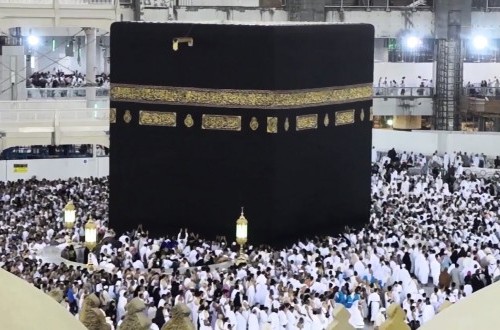
The Head of the Hajj Health Centre of the Indonesian Ministry of Religious Affairs, Liliek Marhaendro Susilo, has urged Indonesian Hajj pilgrims set to depart for the 1447 H/2026 M Hajj season to maintain their health conditions from an early stage in order to perform their worship optimally in the Holy Land. Liliek recommends implementing a clean and healthy lifestyle, such as washing hands before eating, consuming balanced nutritious food, and routinely engaging in light exercise for at least 30 minutes every day. “Pilgrims need sufficient rest, at least six hours of sleep every night, and to keep a positive mindset,” he stated in a written release on Tuesday (31/3/2026). For pilgrims with comorbidities, he emphasises the importance of adhering to medication as prescribed by doctors. He also encourages pilgrims to strengthen their spiritual readiness by increasing dhikr, prayer, and tawakal to Allah SWT so that the Hajj worship can proceed smoothly and healthily. The Indonesian government itself continues to strengthen the health service scheme for Hajj pilgrims, in line with new policies from the Saudi Arabian government regulating health service ratios. Liliek explained that one health clinic now minimally serves 5,000 Hajj pilgrims. With this policy, 40 health clinics will be established in Mecca, spread across 10 sectors to serve pilgrims. Meanwhile, in Medina, five health clinics will be available in five sectors. In addition, one Indonesian Hajj Health Clinic (KKHI) each will operate in both cities. “With the addition of clinics and strengthening of services at the KKHI, we hope that health services for pilgrims will be increasingly optimal,” Liliek said. To improve the accuracy of medical handling, cluster health personnel will be equipped with a severity level-based referral guideline for illnesses. Through this system, personnel can determine whether a pilgrim should be referred to the KKHI or directly to a Saudi hospital. “This severity level approach is important so that pilgrims receive prompt assistance appropriate to their health condition,” he stated. To ensure the quality of services, the Saudi Arabian government also requires supervision from accredited private health service providers. For this year’s Hajj season, oversight of health services for Indonesian Hajj pilgrims will be conducted by Saudi German Hospital. Meanwhile, the provision of medicines during the Hajj operational period will be distributed from the KKHI in Mecca and Medina to all cluster health personnel accompanying pilgrims in hotels.