
Hajj Pilgrims Carrying Over Rp 100 Million in Cash Must Report to Customs
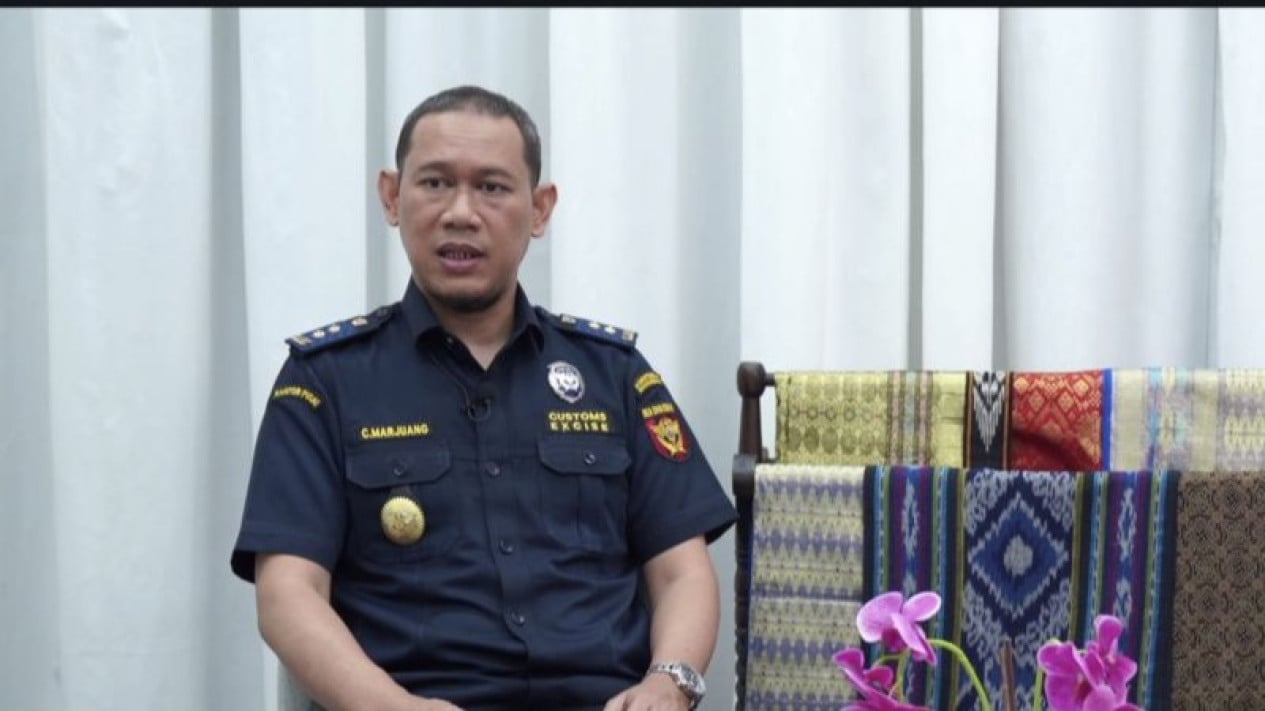
The Directorate General of Customs and Excise (DJBC) of the Ministry of Finance states that Indonesian Hajj pilgrims carrying cash worth at least Rp 100 million must report it to Customs. “If carrying Rp 100 million or more, it must indeed be reported to Customs,” said the Head of Import Section III of DJBC, Ministry of Finance, Chinde Marjuang Praja, during a media briefing on Customs Services and Facilities for Hajj Pilgrims held virtually in Jakarta on Thursday. This provision applies to both rupiah and foreign currencies of equivalent value. Pilgrims carrying cash above this threshold must fill out a cash carrying form in accordance with applicable regulations. The form will then be forwarded by Customs to Bank Indonesia (BI) or the Financial Transaction Reports and Analysis Center (PPATK). According to Chinde, this rule is part of BI’s policy to control the circulation of money and maintain transparency in cross-border transactions. Meanwhile, Hajj pilgrims carrying cash below that amount do not need to report to Customs. “It will be forwarded by Customs to BI or PPATK. If below that (Rp 100 million), please do not report to Customs,” he said. On that basis, DJBC urges pilgrims not to carry large amounts of cash during their Hajj journey. This is intended to ensure security during the worship process. As an alternative, Hajj pilgrims are advised to use international logo ATM cards or e-money. Both payment methods are considered safer than carrying large amounts of cash. The government through the Hajj Financial Management Agency (BPKH) has also prepared pocket money for regular Hajj pilgrims. BPKH provides a total of SAR 152,490,000 in banknotes. These funds are channelled through Bank Rakyat Indonesia (BRI) to meet the needs of 203,320 prospective regular Hajj pilgrims from Indonesia for the year 1447 Hijriah/2026 CE. Each person will receive SAR 750, consisting of one SAR 500 note, two SAR 100 notes, and one SAR 50 note. This pocket money is prepared as operational provisions for pilgrims while in the Holy Land, both for additional daily consumption needs, as reserve funds for unexpected expenses, and for fulfilling Hajj penalty payments (DAM).