
Hajj and Western Racism
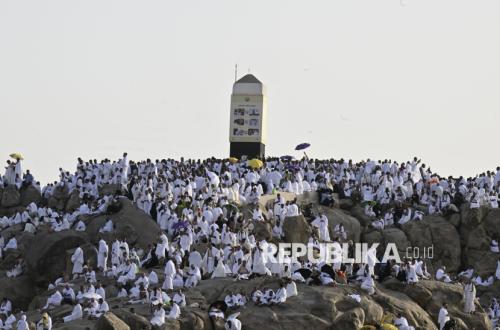
A close examination of the Quranic verses regarding Hajj reveals an intriguing point: the command to perform this pilgrimage is directed not at ‘believers’ or ‘Muslims’, but at ‘mankind’ (an-naas). This is notable because Hajj is obligatory only for Muslims. One such verse states: ‘Proclaim to mankind the pilgrimage; they will come to you on foot and on every lean camel, coming from every distant path.’ (Quran 22:27) Another verse affirms: ‘And [due] to Allah from the people is a pilgrimage to the House—for whoever is able to find thereto a way.’ (Quran 3:97) This choice of wording underscores Hajj’s representation of Islam’s universal nature. Islam is intended for all corners of the world, for every human being without exception. All individuals have equal access to Islam, without discrimination. Given Hajj reflects Islam’s universal character, it is unsurprising that Prophet Muhammad (PBUH) delivered a global declaration of human equality during his pilgrimage. The Farewell Hajj provided the perfect occasion for him to convey Islam’s message of human equality through his historic Farewell Sermon. In the sermon, the Prophet emphasised core religious teachings, including human relations. Among them was the sanctity of human life and dignity—protecting life and honour. ‘Indeed, your blood, your property, and your honour are sacred to one another, just as this day, in this land, and in this month are sacred.’ He specifically stressed the importance of honouring women. This message was delivered in the 6th century, when Europe was yet to be known and lived in darkness. The West, which today claims to value women the most, should actually learn from Islam about true gender equity. However, the key point I wish to emphasise is the sermon’s declaration of two principles: the universality of the human family and racial equality. A declaration that may have seemed utopian in its time, delivered centuries before the UN’s 1948 Universal Declaration of Human Rights.