
Hajj 2026 and the Shadow of Iran-Israel Conflict: Learning from the History of Pilgrim Cancellations
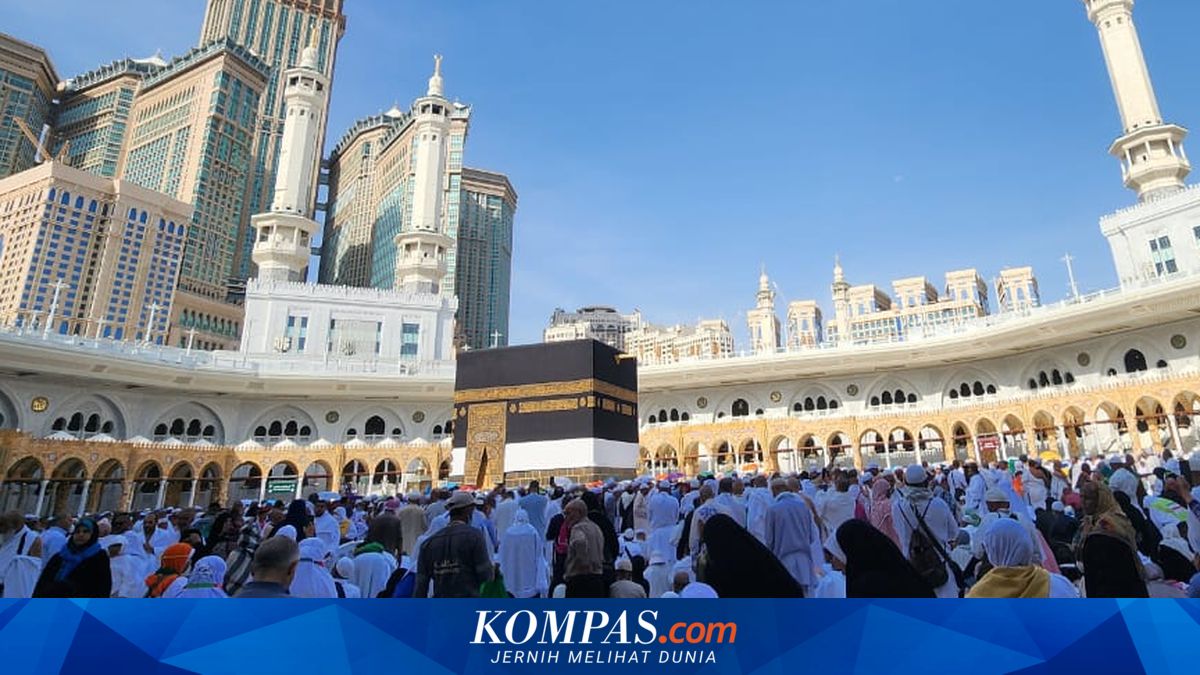
JAKARTA — The escalation of Middle East conflict between the United States-Israel and Iran threatens various aspects of life, ranging from fuel shipments and international flight routes to hajj pilgrim departures.
The potential disruption to the 2026 hajj departure was directly disclosed by Minister of Hajj Mochamad Irfan Yusuf, or Gus Irfan, during a meeting of Commission VIII of the Indonesian House of Representatives in Senayan, Jakarta, on Wednesday (11 March 2026).
Gus Irfan stated that there are two scenarios that could be pursued: firstly, to proceed via alternative safe routes, though this remains high-risk given the tense conditions in the Middle East; secondly, to cancel the hajj departure as a consideration of the increasingly heated conflict situation.
Irfan indicated that this cancellation scenario would need to be handled through diplomacy or high-level negotiations with the Saudi Arabian Government.
According to Irfan, high-level diplomacy is necessary to ensure that funds already deposited for accommodation, catering, transportation, and other provisions are not lost and can instead be utilised.
“Cancelled funds will not be wasted but can be used for the conduct of hajj worship in 2027 without penalty, and there are various possibilities including the possibility of rejection as well, so we are also always anticipating this,” he said.
With this scheme, the government is also preparing financial mitigation in the form of refunds or reinvestment for pilgrims scheduled to depart this year.
“Providing pilgrims with the option to withdraw their final Bipih payment fees without losing the opportunity to depart next year, or allowing their paid funds to be carried forward with compensation in the form of accumulated higher benefit value as an alternative to waiting costs,” he said.