
Haji Nusantara and Dutch Fears
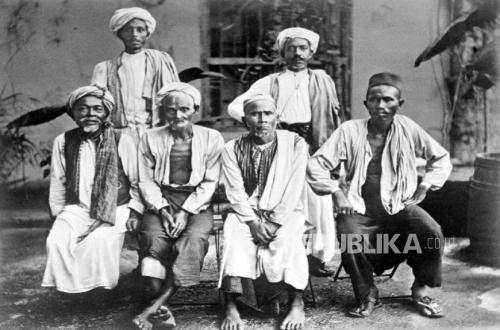
REPUBLIKA.CO.ID, JAKARTA – On exactly 18 October 1825, the Dutch colonial government for the first time implemented a policy regarding the organisation of the Hajj. This ordinance was contained in a secret letter circulated to colonial officials down to the village level. Its content required every prospective Hajj pilgrim to possess a Hajj worship passport. In addition, the cost of undertaking the Hajj was set at 110 guilders. If someone evaded or was found to violate these rules, a pilgrim would be fined double upon returning to the homeland. Shaleh Putuhena in his book Historiografi Haji Indonesia explains that these rules were based on the Dutch colonial government’s concern over the increasing number of Hajj pilgrims from the Nusantara year by year. The colonisers were worried that the Hajj pilgrims would bring back ideas of Pan-Islamism upon returning from Mecca, which could then inspire resistance movements against rust en orde or the colonial order. To avoid accusations of profiting from the Hajj, the government claimed that the 110 guilder funds were intended for the interests of mosques in each region. However, the public generally felt disturbed by such regulations. Two years later, the Dutch eased the rules. Children under the age of 12 were exempted from payment. However, the public response remained cool.