
GWM Boss States Single Platform is Key to Global Automotive Success
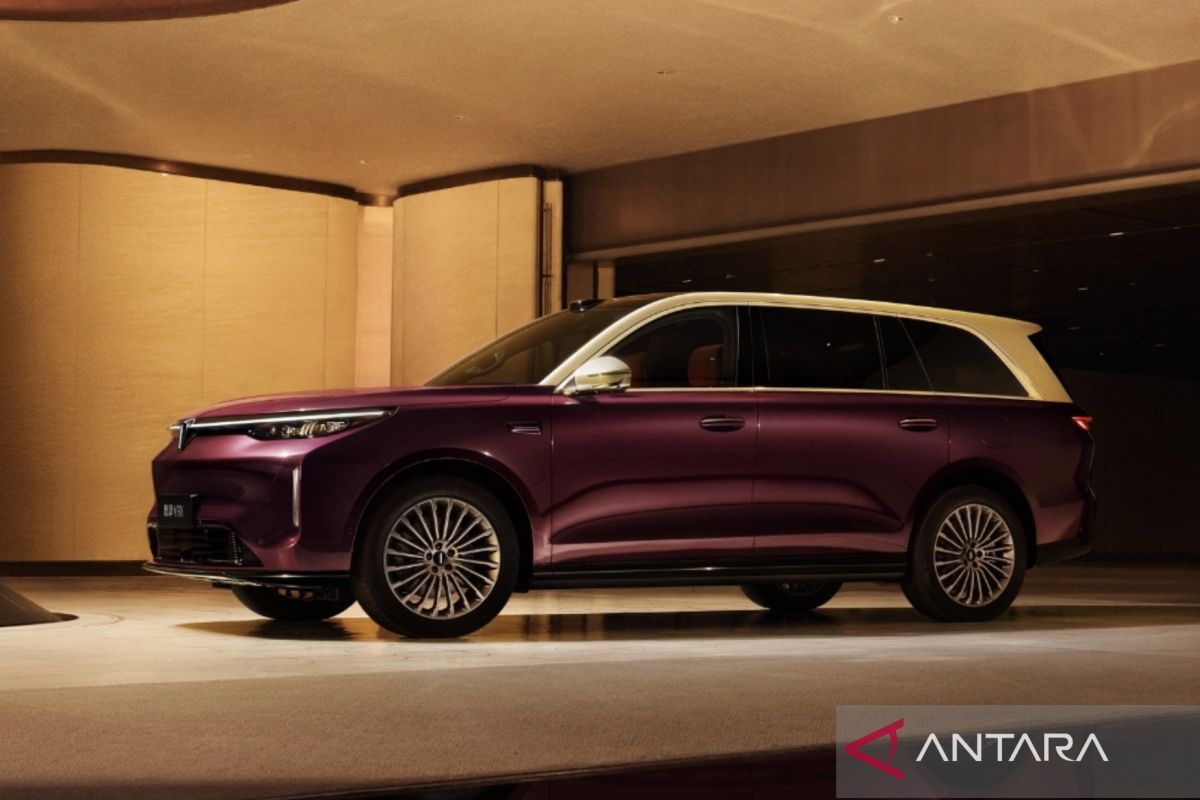
Jakarta (ANTARA) - Great Wall Motor (GWM) boss Wei Jianjun has stated that automotive manufacturers need to adopt a single-platform strategy like GWM One if they wish to remain competitive and succeed in the global market. According to a Carnewschina report on Monday local time, the statement was made during the pre-sale launch of the Wey V9X SUV, the first model based on the GWM One platform. Wei explained that the GWM One platform is designed to support various types of powertrain systems, from internal combustion engines (ICE), hybrid (HEV), plug-in hybrid (PHEV), to pure electric vehicles (BEV) and fuel cell (FCEV). According to him, this approach enables high flexibility in product development, as one platform can be used for various vehicle segments such as SUVs, sedans, MPVs, and pickups. “If competitors do not learn from this approach, they will struggle to enter the global market and risk being left behind,” Wei said. According to him, EREV technology is less efficient compared to direct drive systems and is only a temporary solution. Several Chinese manufacturers such as Li Auto, Aito, and Deepal still rely on EREV technology in their product lines. Meanwhile, global trends in 2026 indicate a slowdown in the adoption of pure electric vehicles, with increasing interest in hybrid technologies such as PHEV and HEV in various markets. Some manufacturers that previously focused on electric vehicles are now reintroducing conventional engine models as alternatives, adapting to consumer needs in different countries. GWM itself is seeking to capitalise on this trend through its multi-powertrain platform, which has been developed from the outset to meet the diverse needs of the global market. In domestic Chinese sales data, GWM’s sub-brands such as Wey, ORA, and Tank recorded combined sales of around 20,200 units in March 2026. This figure is still below the sales of popular single models like the Tesla Model Y or Geely’s models. In comparison, BYD recorded sales of up to 165,942 units in the same period, highlighting the intense competition in China’s automotive market.