
Gus Salam Urges Independent Fact-Finding Team to Investigate Andrie Yunus Case
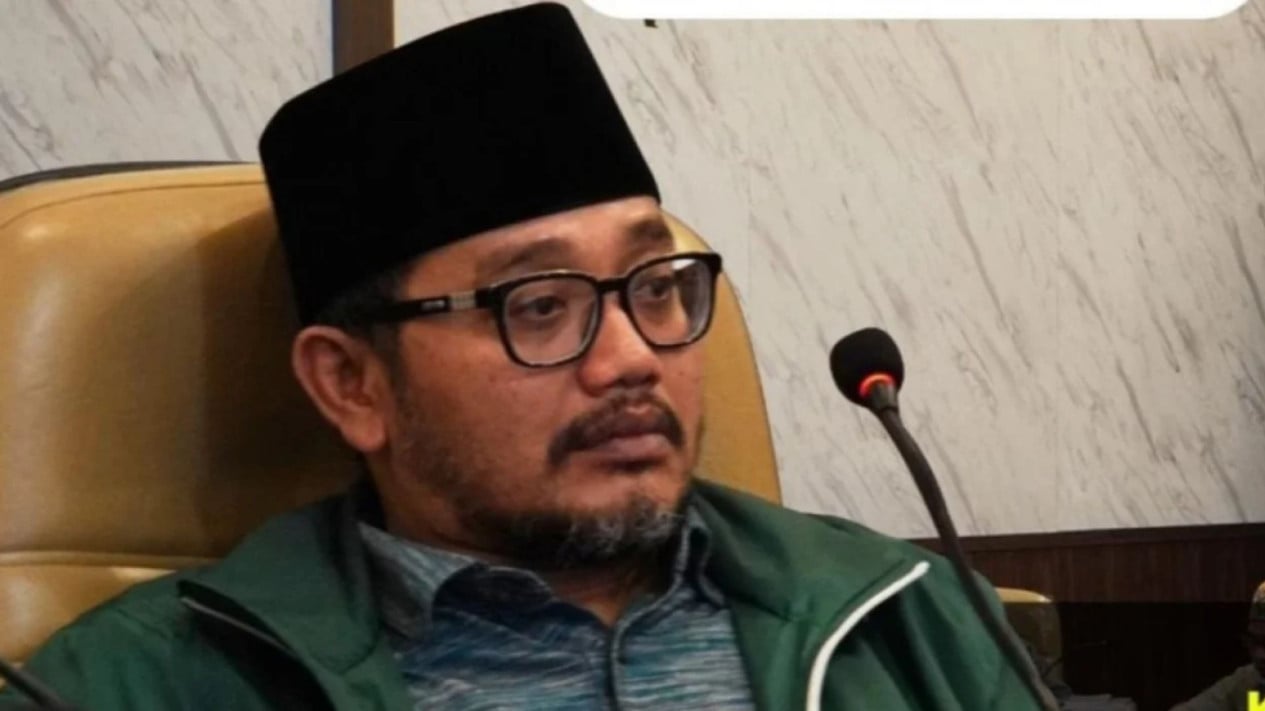
Jakarta – The caregiver of the Mamba’ul Ma’arif Islamic Boarding School in Denanyar, Jombang, KH Abdussalam Shohib, alias Gus Salam, assesses that public debate is currently rife regarding the handling of the acid attack case on KontraS activist Andrie Yunus.
“Whether the case is handled by the police through the general courts, or handed over to the TNI’s Pushpom up to military courts, or whether law enforcement is eventually processed through connected courts. Everything will depend on the depth of the investigation and the breadth of facts uncovered,” he said.
According to this administrator of the East Java NU Regional Board for the 2018-2023 period, the back-and-forth in handling the case and the legal process is triggered by concerns over a lack of transparency, the enforcement of substantive justice, and the potential for manipulation in law enforcement.
These concerns are strengthened by initial identifications of suspected perpetrators showing differences in names and numbers between the police and TNI’s Pushpom, especially the findings of an independent civil society advocacy team that field suspects number up to 16 people.
“Not only concerns, but it sparks public suspicion. Because the resignation of the TNI’s Head of Strategic Intelligence Agency (Kabais), Lieutenant General TNI Yudi Abrimantyo, as a moral responsibility, is a fact. Another fact is that four TNI personnel have been detained by the Head of Pushpom TNI, indicating the case’s handling by Pushpom TNI, and the background of victim Andrie Yunus who actively advocates for defence sector reform,” stated Gus Salam.
Gus Salam said the acid attack terror against Andrie Yunus reminds the public of the similar terror experienced by Novel Baswedan, the KPK investigator.
“In Indonesia, terror and intimidation against critical citizens and those exercising their rights occur frequently, tend to increase, and colour relations between civil society and state power represented by its officials in various sectors. Critical-expressive democracy movers from civil society are potentially emasculated to weaken them and prevent them from disturbing power,” he said.
He reminded that the state’s obligation is to protect the entire nation and to use its resources to the greatest extent for the welfare and prosperity of the people for the sake of justice and humanity.
Therefore, he said, it is fitting and proper for civil society to know, question, and be critical towards the government as the people’s representative in managing and using state resources.