
Gus Ipul's Message to Managers of State-Owned Assets in People's Schools
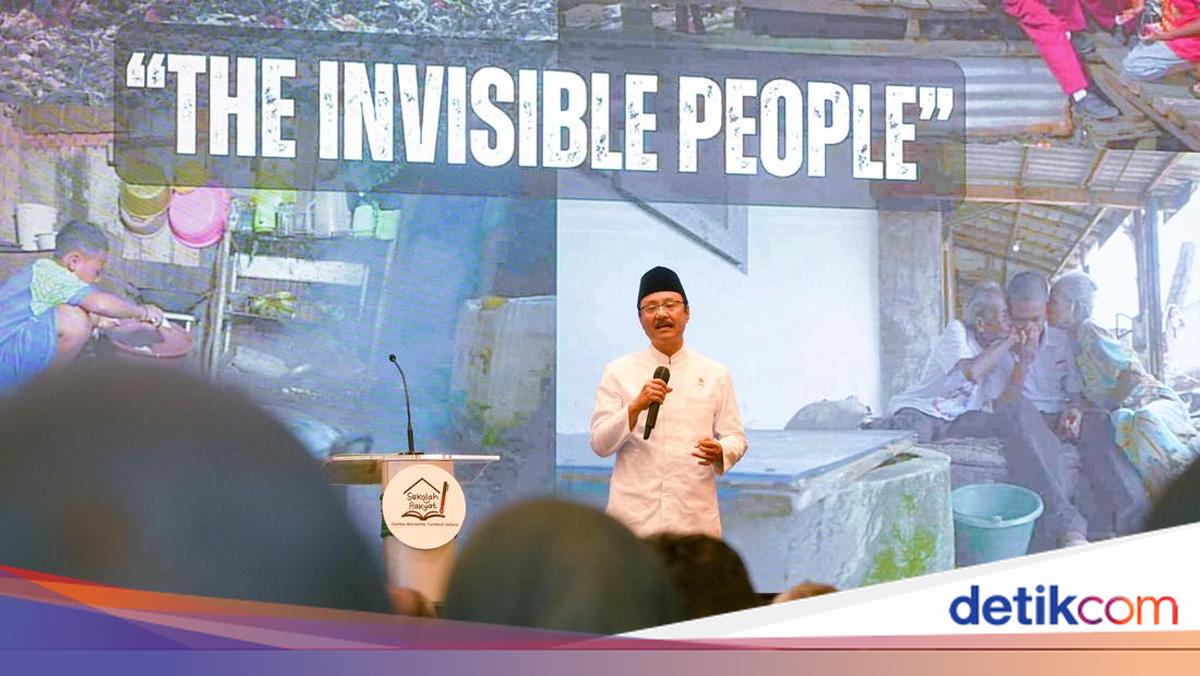
“What we manage is not merely goods, but the hopes of Indonesian children,” stated Gus Ipul in a written statement on Thursday (7/5/2026). He conveyed this during the opening of the Training on State-Owned Asset Management for People’s School BMN Managers in 2026, organised by the Pusdiklatbangprof of the Ministry of Social Affairs in Bekasi on Wednesday (6/5). To the training participants, Gus Ipul stressed that People’s Schools are a strategic national programme to broaden access to education and social services for children from vulnerable families, particularly those in deciles 1 and 2 of the National Social and Economic Single Data (DTSEN). Therefore, the management of facilities and infrastructure must be conducted in an orderly, professional, and rule-compliant manner. “This is the idea and strategic programme of President Prabowo as part of the poverty alleviation process. People’s Schools are designed to cut the chain of poverty,” he said. In his directives, Gus Ipul emphasised four important points in managing BMN for People’s Schools. First, changing the perspective on BMN as an instrument of state services. “BMN is not just an administrative and inventory matter, but an instrument of state services,” Gus Ipul asserted firmly. Gus Ipul explained that every asset, from beds and laptops to school buildings, must be utilised to improve the quality of life and future of the students. Second, ensuring orderly and accountable governance. According to Gus Ipul, People’s Schools have become a public focus, so management must be neat and accountable. “Administration must be neat, recording must be complete, management must be orderly, and procurement must be accountable. Record what you do, do what you record,” advised Gus Ipul. Third, responding quickly to every evaluation and finding. Gus Ipul reminded that findings are not for blaming, but as alarms for improvement. “If there is a problem, identify it quickly, complete it quickly, fix it quickly, and do not repeat it,” said Gus Ipul. Fourth, building a culture of discipline and transparency from the beginning. Gus Ipul emphasised that many major bureaucratic problems start from small things that are ignored. In addition, transparency is the key to protection for the state and managers. As reinforcement, Gus Ipul reminded that BMN is essentially the people’s property that must be guarded as a trust. “The state is fully present for the students of People’s Schools. Ensure that all of it is recorded, maintained, and beneficial,” explained Gus Ipul. “Guard the state’s assets like guarding the people’s trust. Do not pass on administrative problems to the following year. What we manage is not merely goods, but the hopes of Indonesian children,” he continued. The training was attended by 332 participants consisting of 166 deputy school principals in charge of facilities and infrastructure and 166 asset/BMN managers from People’s Schools in various regions. The event aims to provide guidelines for BMN management while enhancing participants’ capacity in asset administration, including the ability to identify risks, findings, and conduct evaluations of BMN management. For information, the event was attended by Deputy Minister of Social Affairs of the Republic of Indonesia (Wamensos) Agus Jabo Priyono, Secretary General (Sekjen) Robben Rico, and other high-ranking officials from the Ministry of Social Affairs.