
Gunung Jati Train Service Gains Popularity, Serves 204,280 Passengers from January to April 2026
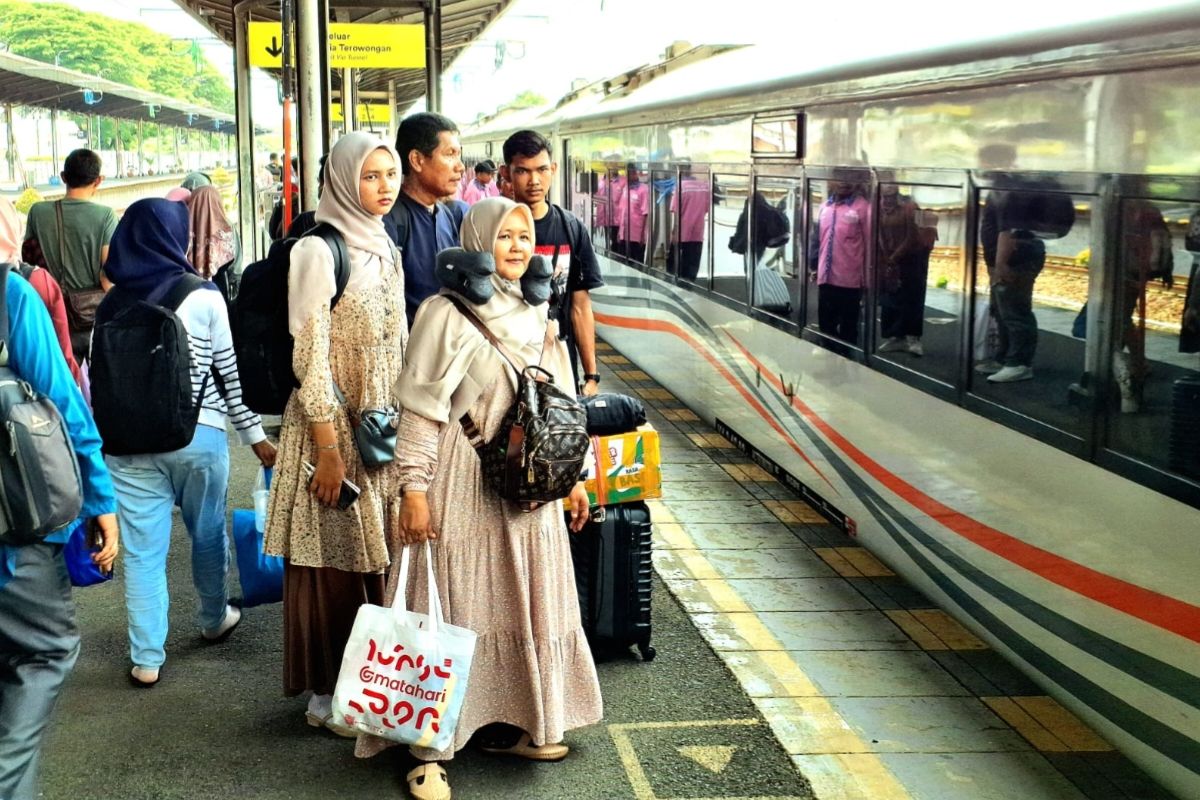
Grew 45.80% year-on-year, connecting Jakarta, Cirebon, and Semarang in a single journey cycle. There are cities that always make people want to return. Not because they are close, but because there are always new stories waiting to be discovered. Cirebon is one such city. This coastal city on Java’s northern route offers a blend of culture, history, cuisine, and hospitality that leaves a unique impression on every visit. Rising public interest in Cirebon is reflected in the performance of the Gunung Jati train service. From January to April 2026, the service served 204,280 passengers, a 45.80% increase compared to the same period in 2025 which recorded 140,104 passengers. The Gunung Jati train service is a mixed-class rail service operating between Jakarta, Cirebon, and Semarang. Each operational cycle sees the train depart from Cirebon to Gambir, continue to Semarang Tawang via Cirebon, then return to Gambir before ending in Cirebon. This route offers passengers flexible access to various cities along Java’s North Coast, a region known for its growing economic, cultural, and tourism activities. Anne Purba, KAI’s Vice President of Corporate Communications, said the growth in Gunung Jati passengers demonstrates that trains are increasingly becoming the preferred choice for those seeking comfortable travel while accessing attractive destinations. “Train travel allows passengers to enjoy a more relaxed journey. Upon arrival, new experiences await, from historical tourism and cuisine to the natural beauty unique to each region,” Anne said. Upon arriving in Cirebon, passengers can explore various destinations relatively close to the station. Goa Sunyaragi offers a historic complex with unique architecture, while the Kasepuhan, Kanoman, Kacirebonan, and Kaprabonan Kraton preserve Cirebon’s extensive cultural heritage that remains well-maintained to this day. For religious tourism, the Sunan Gunungjati Mausoleum is a popular destination. Each year, thousands of pilgrims from across the country visit to learn more about the history and values of one of the key figures in spreading Islam across the archipelago. The charm of Cirebon and its surroundings extends to coastal and natural attractions. Kejawanan Beach is a favourite spot for evening relaxation, while Tirtamaya Beach, Tirta Ayu Indramayu Beach, and Balongan Kesambi Beach offer captivating seascapes. Meanwhile, Cicerem Blue Lake and Jagara Eco Park provide serene and refreshing natural environments. The journey to Cirebon is complemented by its well-known culinary offerings. Dishes such as nasi jamblang, empal gentong, tahu gejrot, nasi lengko, mie koclok, docang, and empal asem are sought after by tourists. For many, sampling local cuisine is a key reason to return. According to Anne, the rise in Gunung Jati passengers reflects the growing link between transportation and regional tourism development. The ease of mobility provided by trains opens more opportunities for people to explore Indonesia’s destinations while boosting local economic activity. “In a few years’ time, what people will remember most won’t be the duration of the journey, but who accompanied them, the places visited, the food tasted, and the simple moments that occurred along the way. It is from these that memories are born,” Anne said. Anne added that KAI aims to be part of these moments. “Because a pleasant journey often turns into a story that lives on, remembered, and one day recounted to children and grandchildren as a valuable life experience,” Anne concluded.