
Gulf States Officially Declare Joint Stance, Prepared to "Clash" with Iran
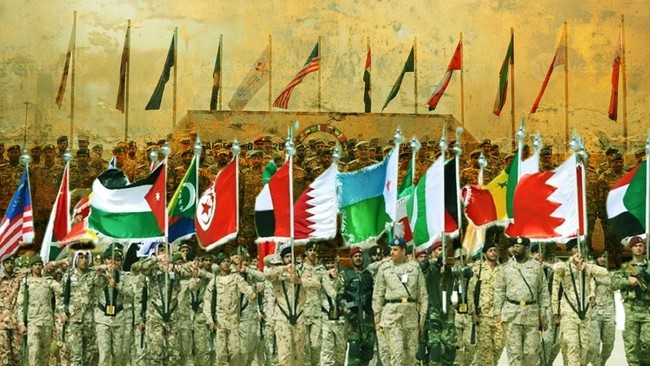
Gulf Arab states have declared a joint position by ramping up pressure on Iran following a series of attacks on their energy facilities. In a joint statement released on Thursday (26/3/2026), the six regional countries condemned what they described as “blatant” and “criminal” attacks, while signalling readiness to take “self-defence” measures in the future. The joint statement was issued by the United Arab Emirates, Kuwait, Bahrain, Saudi Arabia, Qatar, and Jordan. They specifically highlighted attacks launched from Iraqi territory by armed groups and proxies loyal to Iran, which they deemed violations of international law. “While we appreciate our fraternal relations with the Republic of Iraq, we call on the Iraqi government to take the necessary steps to immediately halt attacks… against neighbouring countries,” the joint statement read, as cited by CNBC International. The Gulf states added that stopping the attacks is necessary “to preserve fraternal relations and avoid further escalation”. They also reaffirmed their “full and inherent right to self-defence against these criminal attacks”, referring to Article 51 of the United Nations Charter, which guarantees a state’s right to individual or collective self-defence. The statement further asserted their right “to take all necessary measures to preserve our sovereignty, security, and stability”. Iran’s neighbouring Gulf states have repeatedly been targeted by Iranian drones and missiles as part of retaliatory strikes against US and Israeli bombings since late February. These attacks, launched from Iranian territory or by allied groups, have damaged oil terminals and liquefied natural gas (LNG) facilities, requiring expensive repairs estimated to take years. The strong statement against Iran is not the first. However, the use of the term “self-defence” marks a tonal shift from the Gulf states, which previously advocated de-escalation and tended to take a neutral position on the US-Israel conflict with Iran. Iran itself had previously apologised for attacks on its neighbours but also justified them. Tehran told CNBC that US military bases in neighbouring countries were “legitimate” targets. Gulf Stance Hardens There are strong indications that the collective patience of the Gulf states is wearing thin. Regional officials have warned that “a price must be paid” for the attacks, which they say have hindered economic development for years and damaged the region’s reputation as a safe hub for business and tourism. In the last 24 hours, regional powers, particularly the United Arab Emirates, have signalled a harder stance against Iran, even as the White House appears to seek an exit through ongoing peace talks reportedly in progress. Iran has denied any negotiations. The UAE Ambassador to the US, Yousef Al Otaiba, wrote in an opinion piece in The Wall Street Journal that a “simple ceasefire is not enough” regarding unconfirmed peace talks between Tehran and Washington via intermediaries. Meanwhile, UAE state-owned oil company CEO Sultan Al Jaber stated in a speech at the Middle East Institute in Washington that Iran’s control over the Strait of Hormuz amounts to “global-scale extortion”. Earlier this week, CEO of Kuwait Petroleum Corp. Sheikh Nawaf al-Sabah described Iran as imposing an “economic blockade” on the Persian Gulf by closing shipping lanes. Saudi Aramco CEO Amin Nasser had previously warned that war with Iran would bring “catastrophic consequences” for the global economy.