
Gulf States Consider Energy Pipeline Project to Bypass Strait of Hormuz
Istanbul (ANTARA) - Gulf states are once again considering a pipeline project to avoid the Strait of Hormuz, following heightened concerns over reliance on this energy route, according to a Financial Times report on Thursday (1/4).
This reflects fears that disruptions in the strait could threaten oil and gas exports from the Gulf, prompting officials and industry players to revisit options previously deemed too expensive or challenging.
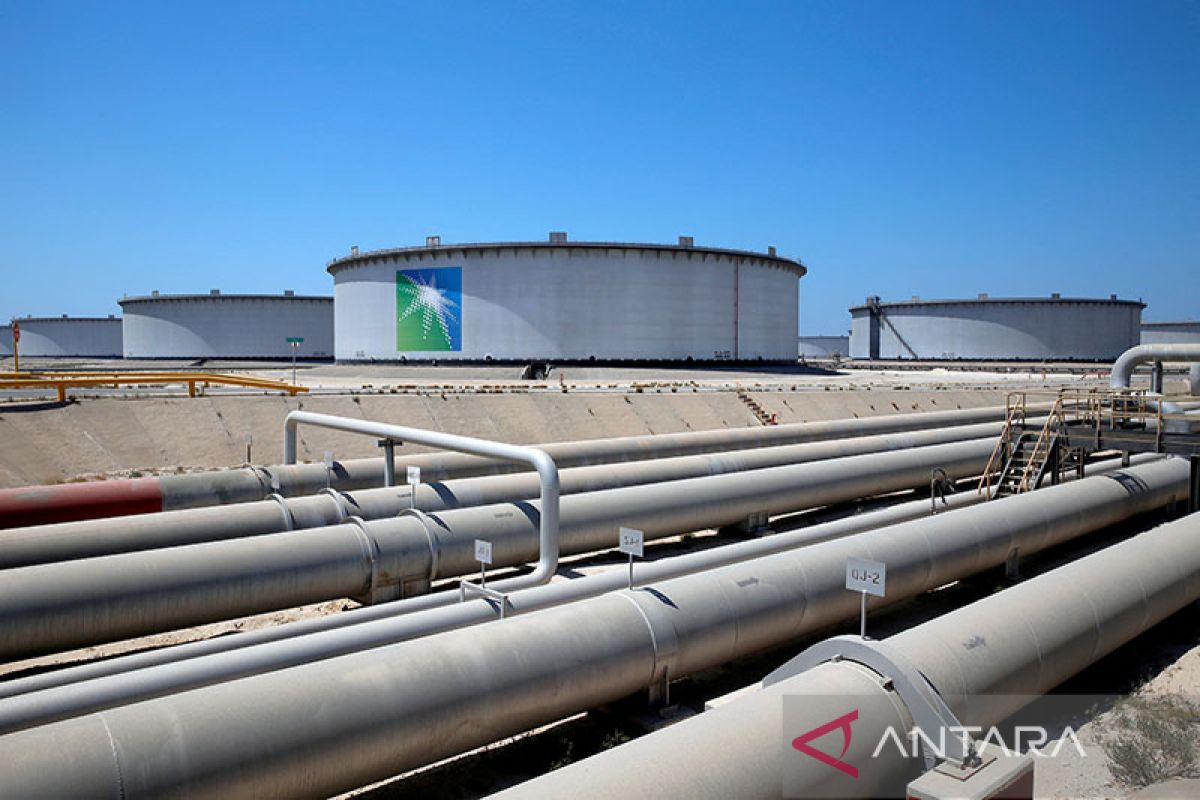
The current crisis underscores the strategic value of Saudi Arabia’s East-West pipeline, a 1,200-kilometre route that transports oil to the Red Sea port of Yanbu.
A Gulf energy executive described the pipeline as a “genius” move in hindsight.
Saudi Aramco CEO Amin Nasser referred to it as a “main route that we are currently utilising,” while considering capacity expansions and Red Sea terminal developments.
The report mentions that long-term options could include a trade corridor from India to Europe via the Gulf.
Several executives also believe a pipeline route to the Mediterranean will ultimately be built.
However, executives warn of significant obstacles.
Cat Group CEO Christopher Bush stated that rebuilding the East-West pipeline would cost at least 5 billion US dollars (approximately Rp85 trillion).
More complex routes from Iraq via Jordan, Syria, or Turkey could require 15-20 billion US dollars.
He added that security risks in Iraq remain high, including unexploded bombs and the presence of militant groups.
Routes to Oman also face technical challenges in desert and mountainous areas, as well as potential political disputes over ownership and operation.
In the short term, the most realistic option is expanding existing infrastructure, including Saudi’s East-West pipeline and the Abu Dhabi-Fujairah route.
Bush said Gulf policymakers now view the issue as urgent.
“Many thinkers are examining this now. It’s a big issue,” he said.
The US-Israel war with Iran and tensions in the Strait of Hormuz have disrupted regional energy flows and driven up global prices.
On 2 March, Iran announced navigation restrictions in the shipping lane and warned of attacks on vessels passing without permission.
Around 20% of global oil supplies pass through the strait daily. Rising insecurity has led to increases in prices, as well as shipping and insurance costs.
Source: Anadolu