
Gulf Oil Production on a Knife Edge
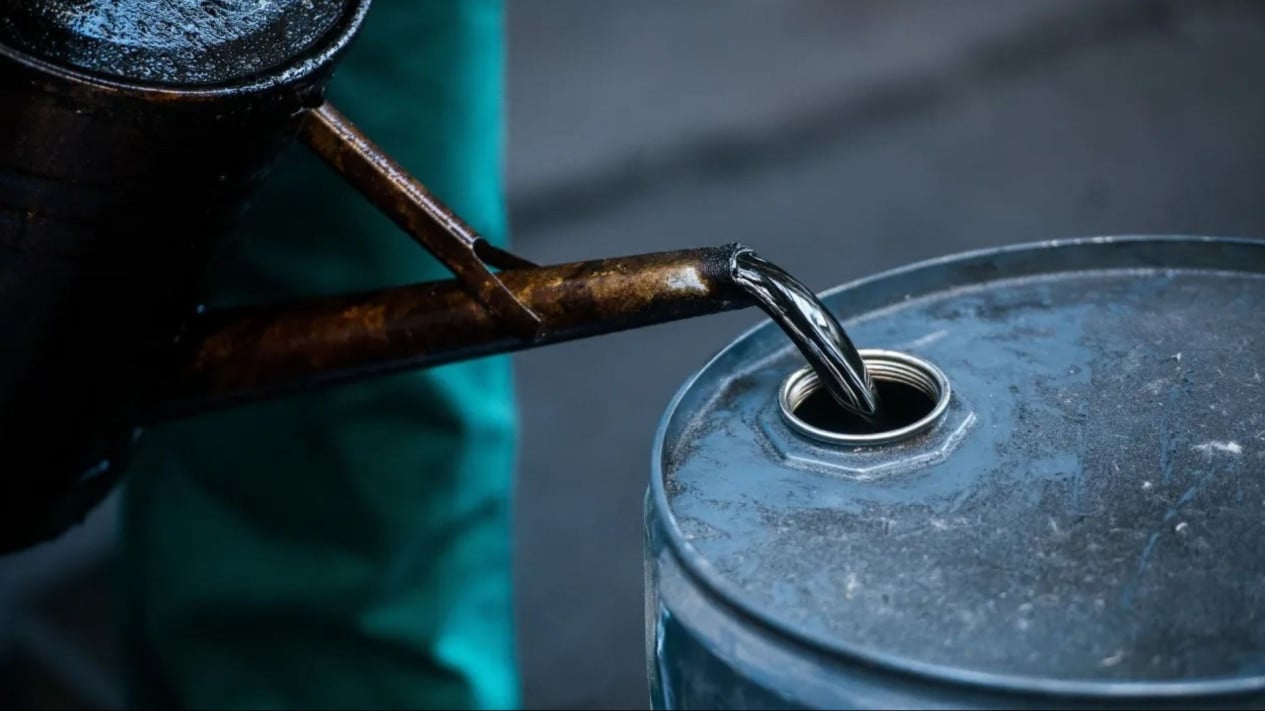
Oil prices surged to nearly US$120 (approximately Rp2 million) per barrel on 9 March 2026, after Israel attacked Iranian energy infrastructure over the weekend and Tehran announced Mojtaba Khamenei as the country’s new supreme leader.
The attack, marking a major escalation in a conflict that had been ongoing for 10 days, triggered fresh concerns in the global energy market, with Brent crude oil prices reaching US$119.50 (approximately Rp1.85 million) per barrel.
Prices subsequently retreated to around US$100 (approximately Rp1.57 million), and by 10 March, oil was trading below US$90 (approximately Rp1.41 million) per barrel, though still more than 20 per cent higher than when the conflict began on 28 February 2026.
The worsening conflict has increased risks to energy infrastructure in the Middle East, where producers were already facing facility damage from Iranian attacks and the closure of the world’s most critical oil shipping route.
With export storage capacity dwindling, analysts are questioning whether oil production in Gulf states could halt within days. Gulf oil-producing nations—Saudi Arabia, the United Arab Emirates (UAE), Qatar, Kuwait, and Bahrain—are now directly affected by the United States–Israel conflict against Iran.
Iran has drawn Gulf states into the conflict by launching attacks on energy facilities, airports, hotels, residential areas, and US military bases in the region. These attacks have triggered accusations of “betrayal” and threats of military retaliation.
The situation has deteriorated further with Iran’s de facto closure of the Strait of Hormuz, the narrow waterway between Iran and Oman that connects the Persian Gulf to the Gulf of Oman and the Arabian Sea. According to shipping analytics firm Kpler, this closure has halted nearly all commercial traffic.
Approximately one-fifth of global oil supplies pass through the Strait of Hormuz, making its closure regarded as the worst-case scenario for the global energy market. With oil tankers and liquefied natural gas (LNG) vessels stranded, Gulf producers are hoping for a swift reopening of the strait.
Although Saudi Arabia and the UAE possess alternative routes to export some energy through the Red Sea and the Gulf of Oman, other Gulf states are reliant solely on rapidly depleting storage capacity.