
Gulf Geopolitics and Indonesia's Diplomatic Test
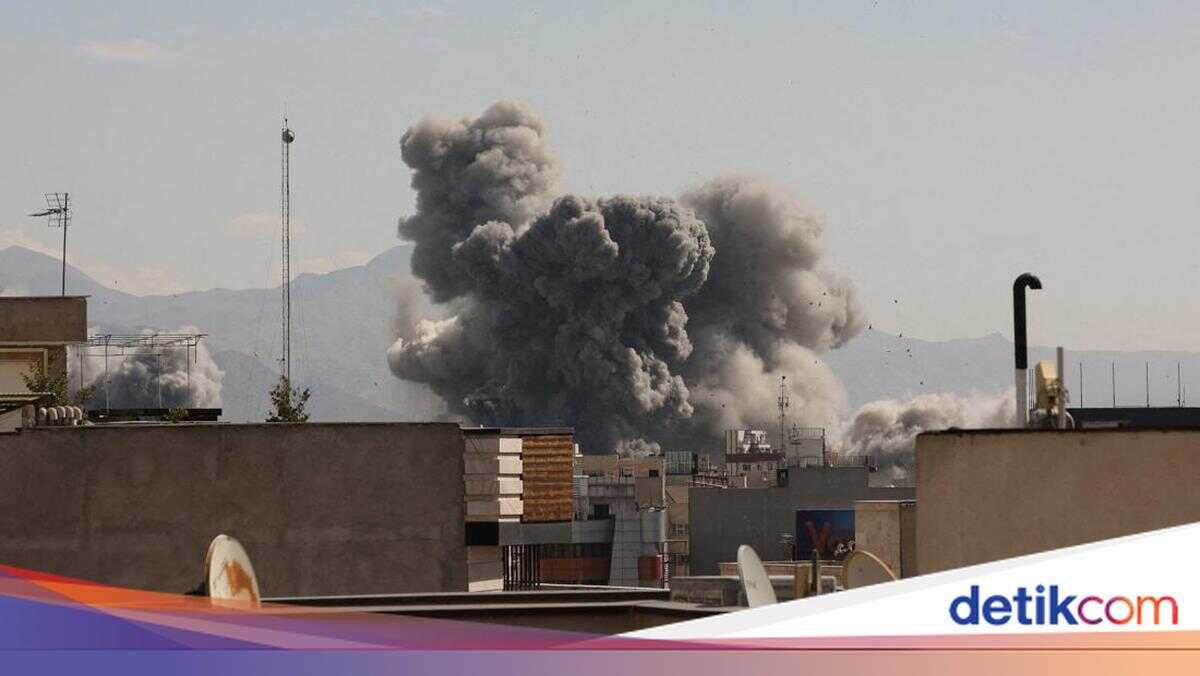
Military attacks by the United States and Israel on Iran, followed by Teheran’s military retaliation, are no longer merely regional conflict episodes. The closure of the Strait of Hormuz, evacuation of foreign nationals, cancellation of thousands of flights, and heightened tensions at regional military bases demonstrate that escalation has entered a serious phase. The Strait of Hormuz, through which approximately 20 million barrels of oil pass daily, has become the most strategically critical chokepoint in this conflict.
When this vital waterway is disrupted, consequences ripple rapidly. Global oil prices rise. Markets respond with panic. Energy-importing nations recalculate fiscal risks. War in the Persian Gulf is no longer distant from Indonesia—it directly touches the structure of the national economy.
Energy Shaken
Indonesia still imports hundreds of thousands to nearly one million barrels of oil daily to meet domestic requirements. This dependency means every surge in global oil prices potentially constrains state budgets. Energy subsidies balloon, fiscal space narrows, and inflationary pressure increases. Rising oil prices do not stop at exchange rates. Logistics costs climb. Food prices rise. Industrial production costs increase. Ultimately, citizens feel the impact through essential goods prices and transportation costs.
In this context, the Iran–Israel–US conflict becomes more than mere geopolitical rivalry. It transforms into a domestic economic variable. Every missile launched in the Gulf region carries cascading consequences for nations dependent on global energy stability, including Indonesia.
Blocs Strengthening
Geopolitically, this escalation reveals the resurgence of bloc logic and balance of power calculations. The United States is no longer merely an observer but a direct actor. Iran responds with open military strategy. Several regional nations take positions, some offering explicit support, others carefully protecting their respective interests.
Global collective mechanisms such as the UN Security Council appear unable to move effectively amid great power rivalries. Ad hoc coalitions and unilateral measures have become more dominant instruments. Within such a structure, neutral space shrinks. Nations wishing to serve as mediators must maintain distance whilst simultaneously possessing bargaining power.
This is where Indonesia’s challenge emerges. As a nation with a free and active foreign policy tradition and historical experience in Global South diplomacy, Indonesia possesses moral capital. However, within increasingly hardened power configurations, moral authority alone is insufficient.
Ambiguous Role
The President stated Indonesia’s readiness to serve as mediator in this conflict. In principle, this step aligns with Indonesia’s diplomatic tradition promoting peaceful resolution. However, the problem lies not in intent but in perception and consistency of position.
Indonesia has already joined the Board of Peace, an initiative led by the United States and involving Israel. This participation can be interpreted as an effort to maintain relevance in global security architecture. Yet simultaneously, when Indonesia offers itself as mediator to parties confronting the US and Israel, interpretive space emerges regarding the independence of its stance.
In highly sensitive conflicts, perception carries equal weight as formal position. Mediation requires trust from all parties. If doubt exists regarding neutrality, diplomatic bargaining power weakens before the process even begins.
This ambiguity risks placing Indonesia in a contradictory position. On one side, it wishes to appear as arbiter. On the other, it remains within a forum led by one of the conflict’s principal actors. Without clear strategic explanation, such moves are easily understood as mere diplomatic symbolism.
Cascading Effects
This conflict’s domino effect does not stop at energy and diplomacy but also ripples into Indo-Pacific stability. When the United States redirects military focus to the Middle East, regional balance shifts and China and Russia adjust strategies accordingly. Indonesia occupies a complex landscape: dependent on energy imports, seeking to maintain growth, whilst aspiring to global influence. In this situation, foreign policy cannot be reactive and must connect to national energy and fiscal interests.
Beyond oil price pressure, Indonesia faces genuine fiscal risks. In the national budget, energy subsidies and fuel compensation remain sensitive items when global oil prices breach macroeconomic assumptions. Every USD 10 per barrel increase can raise subsidy burdens by trillions of rupiah, narrow development spending space, and pressure rupiah stability. On the trade side, oil and gas import values reaching tens of billions of dollars annually make the current account balance vulnerable to external shocks. In other words, this conflict carries direct implications for national economic resilience.
Within this context, the free and active foreign policy principle should provide space for Indonesia to act independently and adaptively. However, once Indonesia has joined the Board of Peace led by the United States and involving Israel, that manoeuvring space becomes more complicated. Free and active foreign policy presupposes freedom in determining positions without bloc attachment. If participation in such forums constrains perceptions of Indonesian neutrality, then the principle risks being held hostage by commitments lacking full flexibility. Here, consistency between doctrine and practice is tested genuinely.
Clear Direction
Should Indonesia wish to become a credible mediator, it must ensure diplomatic steps are not read as ambiguous. Activity in global security forums must accompany clear and measurable independent agenda. Without this, Indonesia’s role risks becoming trapped between opposing power blocs.
The Iran–Israel conflict demonstrates that geopolitics and economics are now inseparable. Energy is an instrument of power. Indonesia must anchor foreign policy strategy in economic resilience alongside diplomatic positioning.