
Guessing the Current Energy Crisis: Is It Worse Than Covid-19?
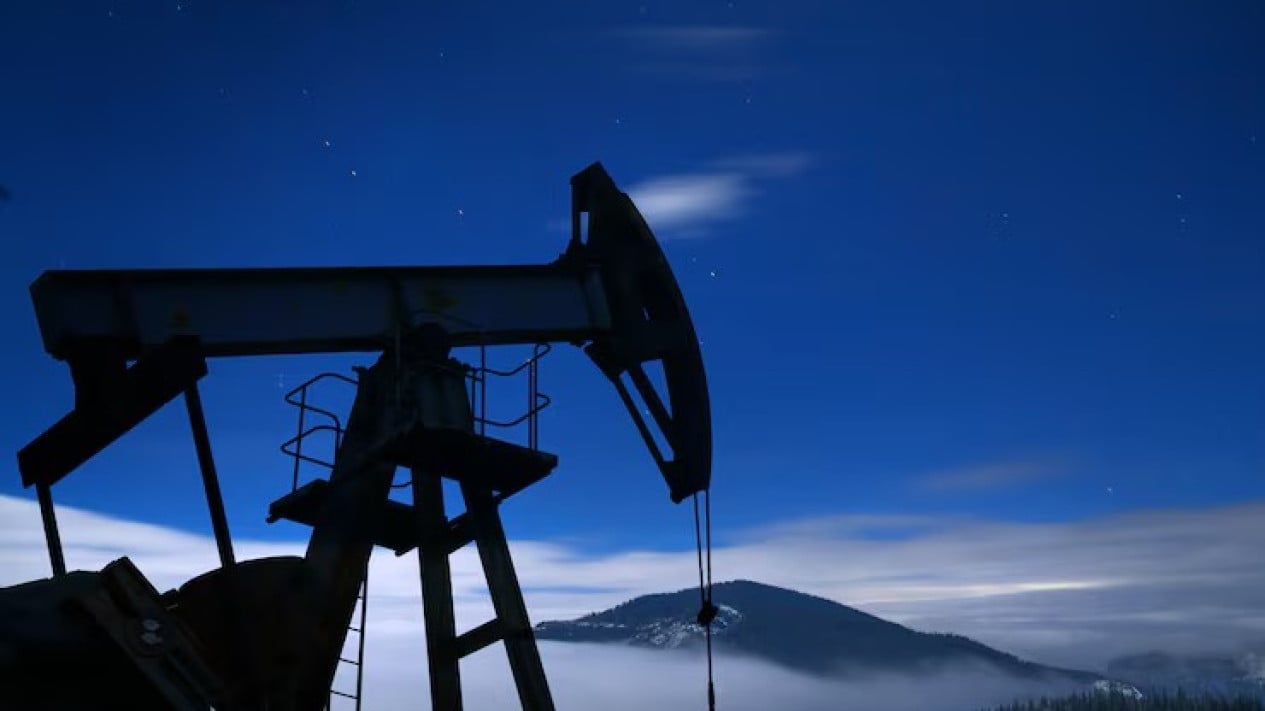
Jakarta, VIVA - The Strait of Hormuz remains essentially closed to most oil tankers, with only a small number permitted to pass through. As a result, there is a loss of approximately 11 million barrels of oil and petroleum liquids per day to the global market. This represents just over 10 percent of global supply. At first glance, a disruption of 10 percent may not seem like a disaster. However, in the oil market, even a 10 percent imbalance between supply and demand can have a massive economic impact. Adi Imsirovic, a lecturer in Energy Systems at the University of Oxford, UK, compares it to the peak of the Covid-19 pandemic in 2020. During the global lockdowns, empty streets, grounded aircraft, and quiet bus and train stations became commonplace as travel and economic activity collapsed. At that time, global oil demand fell by around 8 million barrels per day, the largest demand shock in history. The current situation is the opposite. Instead of a drastic demand drop, the world is facing a major supply shock. However, its impact on daily life could be similar: reduced travel, higher transport costs, slower economic activity, and pressure on household budgets. “The reason is that oil supply and demand are very inflexible in the short term. People still need to drive to work, goods still need to be transported, and aeroplanes still need fuel,” he stated, as quoted from the CNA website, Tuesday, 31 March 2026. When supply suddenly drops, prices must rise significantly to force demand down. For now, the release of emergency oil reserves helps to cushion the initial impact, particularly in developed countries. Member countries of the International Energy Agency are required to hold emergency reserves equivalent to at least 90 days of oil consumption, and some countries also have strategic oil reserves. Therefore, countries like the US, China, and Japan can offset supply disruptions for a limited time. However, these reserves are not a long-term solution. If the conflict continues for months, rather than just weeks, the stocks will run out.