
Guava Has Higher Vitamin C Content Than Oranges
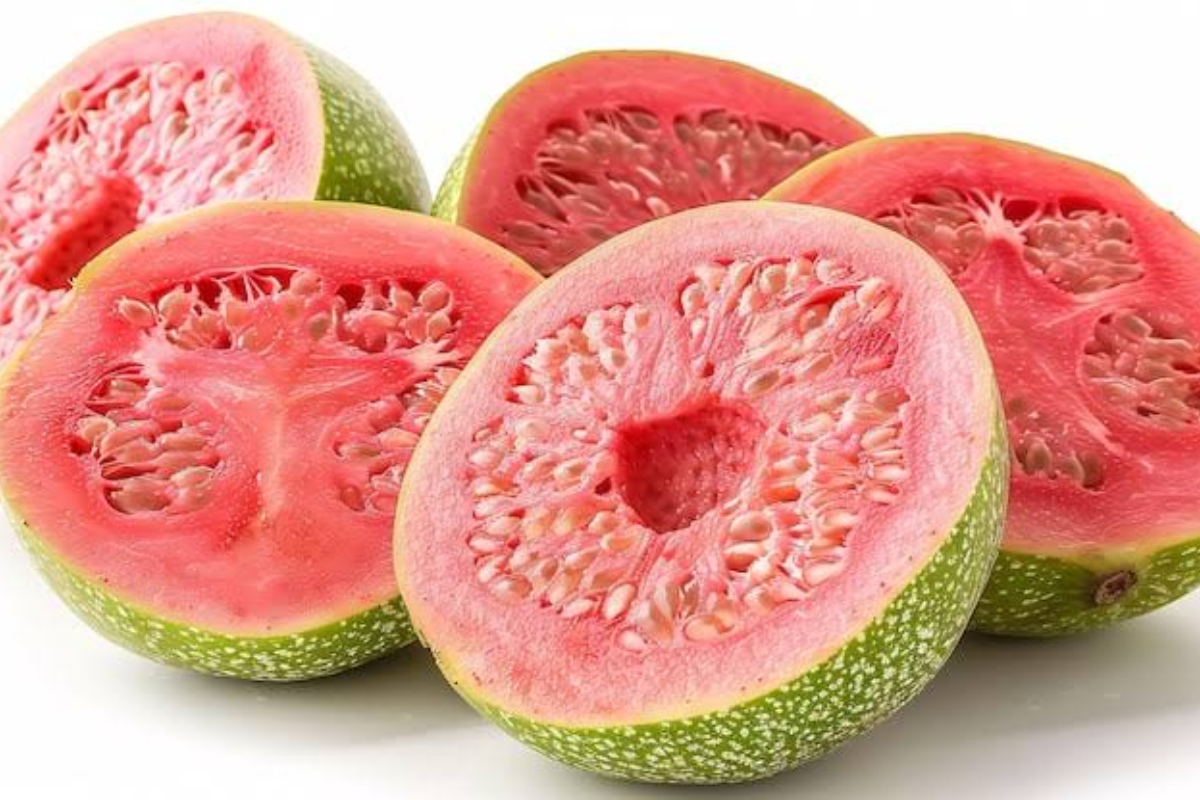
For years, oranges have been known as the fruit synonymous with vitamin C. Many people eat oranges to boost their immune system, especially in fluctuating weather or when the body feels off. However, a striking fact shows that guava actually contains far higher levels of vitamin C than oranges.
According to NDTV Food, guava is one of the fruits with the highest vitamin C content that is often overlooked. In fact, this tropical fruit stores many important nutrients that benefit health.
Nutritionist Dr. Anjali Hooda explains that vitamin C plays a major role in the body, not only for boosting the immune system.
“Vitamin C plays an important role in maintaining a strong immune response, helping the body fight infections more effectively, and speeding up the healing process,” she said.
This nutrient also assists in collagen formation, essential for skin health, bones, and other connective tissues. It also helps the body fight infections and speed recovery when ill.
“This nutrient is very important for maintaining healthy skin, supporting bone strength, and preserving connective tissue,” Hooda added.
Guava is known for being rich in fibre, antioxidants, and various important vitamins. Its fibre helps maintain digestive health and supports bowel function.
Moreover, the antioxidants in guava also contribute to skin health and help reduce signs of premature ageing. Because of its dense nutrient profile, guava is often regarded as a good fruit to consume to support daily immune health.
Meanwhile, oranges remain a favourite for many due to their refreshing taste and high water content. This fruit also contains flavonoids and potassium that are beneficial for heart health and help keep blood pressure stable.
The most striking difference between the two fruits lies in their vitamin C content. Based on USDA FoodData Central and other nutrition databases, 100 grams of orange contain about 53 mg of vitamin C.
In contrast, the amount of vitamin C in 100 grams of guava reaches around 228 mg. In other words, guava’s vitamin C content is more than four times higher than that of oranges.
With that amount, a single guava can meet or even exceed daily vitamin C requirements. To obtain an equivalent amount of vitamin C, one would need to consume several oranges.
Although guava excels in vitamin C content, that does not mean oranges should be avoided. Both fruits retain their health benefits and can be good daily options.
Guava is suitable for those seeking to quickly increase their vitamin C intake, particularly when immune support is needed. Meanwhile, oranges remain superior as a refreshing fruit that’s easy to consume and good for heart health.
Source: NDTV Food.
Guava is rich in vitamin C, fibre, antioxidants, vitamin A, vitamin B, potassium, and other important minerals, making it highly beneficial for body health.
Discover guava’s benefits for a healthy digestive system, from addressing constipation and diarrhoea to balancing gut flora. Read more!
Guava is rich in vitamin C, quercetin, and trombinol, which help boost platelets and speed recovery for dengue fever patients.
This fruit is widely recognised for its refreshing taste, high nutritional value, and health benefits.
Guava contains a range of nutrients that can help address health issues.
Oranges are often consumed directly, made into juice, or used in food and beverages. Oranges are known as a fruit that supports immune health.
A recent study from Harvard Medical School found that consuming oranges daily can help improve mood and reduce the risk of depression by up to 20%.
Orange zest coats are rich in pectin fibre, which is beneficial. Pectin is a soluble fibre that can help reduce levels of bad cholesterol (LDL) in the blood.
Alit Astiari adds that for some time many orange farmers in Desa Belantih have faced issues regarding fruit quality and productivity.
You can find vitamin B in unprocessed foods such as meat, eggs, leafy green vegetables (for instance, kangkung, spinach, romaine lettuce), oranges, and many more.