
Greenland Melting 2026: Why Indonesia's Coasts and New York Are Most at Risk?
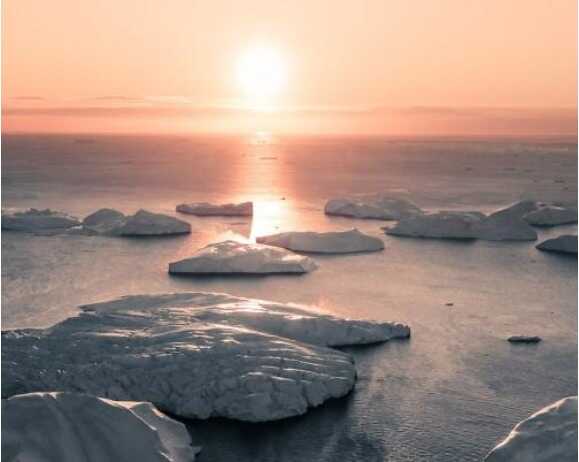
March 2026 temperature rise in Greenland has reached a critical point. The Arctic region has just recorded the hottest year in 125 years, triggering ice sheet melt that is now occurring 17 times faster than in the previous decade. This phenomenon is no longer just an environmental issue, but a direct threat to economies and human safety worldwide.
The melt does not distribute water evenly across the oceans. Because of gravity dynamics and ocean currents, the front-line regions are at risk.
Although Greenland lies thousands of kilometres from Nusantara, the volume of world sea water is interconnected. The addition of freshwater from Greenland’s ice melt will increase pressure on Indonesia’s coastal ecosystems, accelerate erosion, and raise the frequency of king-tide flooding in major cities such as Semarang and Surabaya.
The crisis in Greenland is a mirror of the future of our coasts. Without drastic reductions in greenhouse gas emissions from fossil fuel use, the risk of losing land areas in Indonesia and the world will become a bitter reality by the end of this decade.
The Greenland temperature in March 2026 shows a troubling warming trend. See the latest updates on the ‘Dark Zone’ and its impacts on the world’s sea surface.