
Green Business Opportunities: When Profit Meets Sustainability
Climate change, environmental degradation, and natural resource depletion are no longer concerns solely of environmental activists. The business world and financial sector are increasingly placing sustainability at the heart of their business strategy. In recent years, the term green business has become increasingly prominent in national and global economic discussions.
This shift is not without reason. Rising carbon emissions, increasing global temperatures, and various ecological disasters have driven the world towards more sustainable development models. In this context, the concept of a green economy represents an approach capable of bridging the need for economic growth with environmental protection.
According to a World Economic Forum report, the global green economy reached US$5 trillion in value in 2025 and is projected to exceed US$7 trillion by 2030. These figures demonstrate that sustainability-based sectors possess not only ecological value but also represent enormous economic opportunities.
This trend is evident from increasing investment in renewable energy sectors, green technology, and sustainable financial instruments. In recent years, various countries have begun promoting investment in sectors that support carbon emission reduction and resource efficiency. In other words, sustainability is no longer merely a slogan but has become part of global economic development strategy.
Understanding the Concept of Green Business
Environmentally friendly business is essentially a business activity designed to minimise negative environmental impacts. This can be achieved through various means, ranging from the use of more sustainable raw materials, energy efficiency in production processes, to more responsible waste management.
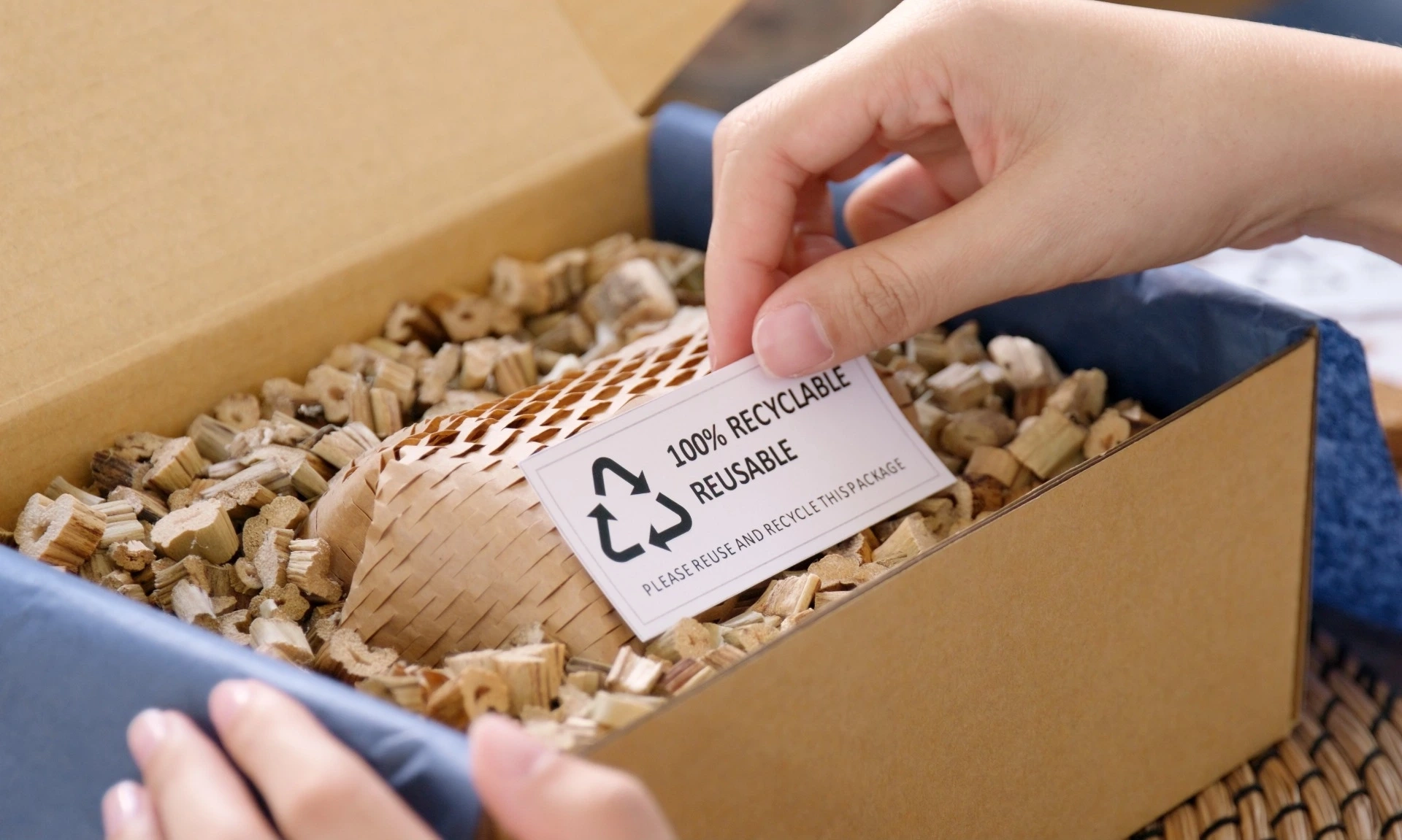
In practice, sustainability-based businesses often adopt the reduce, reuse, recycle principle. This means companies strive to reduce resource use, reuse materials that can still be utilised, and recycle waste to prevent environmental contamination.
This approach aligns with the concept of a circular economy, an economic system that aims to keep materials and products within the consumption cycle for as long as possible. Consequently, waste can be minimised and natural resource use becomes more efficient.
Beyond providing ecological benefits, green business can also increase company value in the eyes of consumers. Various studies, such as those conducted by Mulyono and Suyoto in 2025, demonstrate that modern consumers are increasingly concerned about the environmental impact of products they consume.
Sectors with the Greatest Opportunities
The development of a green economy opens business opportunities across various industrial sectors. Some sectors are even experiencing rapid growth driven by changing global policies and increasing consumer awareness.
The first sector is renewable energy. The transition from fossil fuels to clean energy is a primary agenda in efforts to reduce carbon emissions. Investment in solar, wind, and biomass power generation continues to increase across various countries.
In Indonesia, renewable energy development is also part of the national energy transition strategy. The government is targeting an increase in the share of new and renewable energy in the national energy mix over the coming decades.
The second sector is waste management and recycling. Population growth and regional development have caused waste volumes to increase significantly. This condition opens opportunities for companies operating in waste treatment, plastic recycling, and organic waste processing into compost or energy.
Additionally, the organic agriculture sector and environmentally friendly products also show positive growth trends. Organic food products, natural cosmetics, and biodegradable packaging are increasingly sought after by consumers who are more concerned about health and the environment.
Another rapidly developing sector is sustainable transportation, particularly electric vehicles. Many countries are beginning to promote electric vehicle use as part of their carbon emission reduction strategy.
Indonesia and the Potential of a Green Economy
For Indonesia, the opportunity to develop environmentally friendly businesses is substantial. As a country with abundant natural resources, Indonesia has great potential in developing renewable energy, sustainable agriculture, and bioeconmy-based industries.
Additionally, the financial sector is beginning to play a role in supporting sustainable development. One example is the issuance of green sukuk by the Indonesian Government in 2018. This instrument was used to finance various environmentally friendly projects, including renewable energy, sustainable transportation, and waste management.
According to data from Indonesia’s Ministry of Finance, by 2024 the issuance of Indonesian green sukuk had successfully raised over US$9 billion to support sustainable development projects. This step demonstrates that sustainability-based economic development is not only a global agenda but has also become part of the national development strategy.
Challenges in Developing Green Business
Although possessing great potential, the development of green businesses also faces a number of challenges. These include high initial capital requirements for technology investment, limited access to financing for small and medium enterprises, and the need for stronger regulatory and policy support from governments to create a more conducive business environment for sustainability-based sectors.