
Governor Pramono Disputes Claims That Jakarta Healthcare Workers' Salaries Have Not Increased for 10 Years
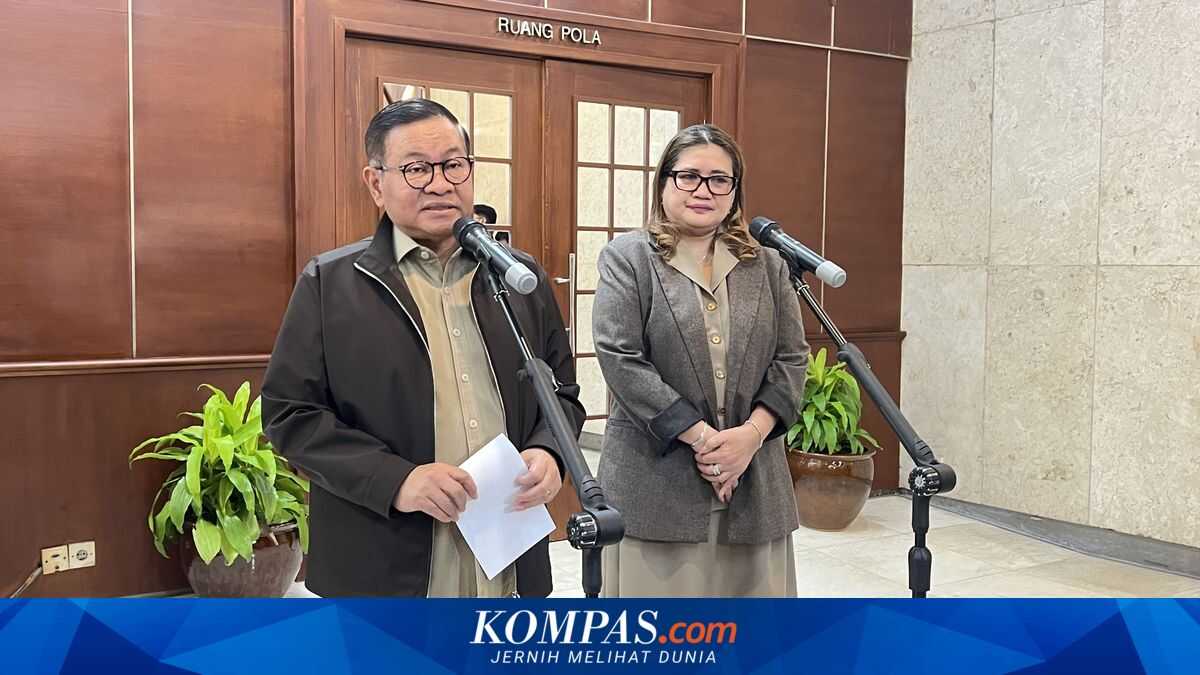
Jakarta — Governor Pramono Anung has responded to complaints from healthcare workers (nakes) in Jakarta who claim they have not received salary increases for 10 years, expressing scepticism about the assertion and pledging to investigate further.
“If salaries have never increased, how is that possible? Everyone typically receives increases, as it’s unlikely there would be no raises whatsoever,” Pramono stated when encountered in the Sarinah area of Central Jakarta on Monday, 2 March 2026.
Pramono noted that Jakarta’s healthcare worker salaries, particularly those employed under the PPPK (non-civil servant contract) scheme, are actually higher than those at private hospitals in Jakarta, with the exception of Pondok Indah Hospital. Civil service (ASN) positions, he added, invariably receive annual increases.
“However, to be more precise, I will review this data,” he said.
Despite his scepticism, Pramono committed to re-examining the data to establish the true situation in the field.
The governor’s response came after Justin Adrian Untayana, a Jakarta Regional Representatives Council (DPRD) legislator from the Solidarity Party of Indonesia (PSI) faction, raised concerns about healthcare workers’ stagnant wages during a working session with Commission E regarding the provincial government’s 2027 work plan on Monday, 2 March 2026.
Justin urged the Jakarta provincial government to immediately increase healthcare workers’ salaries, taking into account their workload, occupational hazards, and rising cost of living.
He cited the Sustainable Development Goals (SDGs), which recommend a ratio of 4.45 healthcare workers per 1,000 residents. Jakarta’s ratio, however, is significantly lower at 1.73 workers, resulting in substantially heavier workloads for healthcare staff in the capital.
“Our healthcare workers bear a workload two to three times greater than it should be,” Justin explained.
The legislator further noted that this ratio does not account for patients from outside Jakarta who seek treatment using the Indonesian Health Card (KIS). Given these circumstances, healthcare workers in the capital are estimated to serve approximately 13 to 14 million people.