
Government's Plan to Shift Refined Sugar Raw Material Imports from Private Sector to SOEs Faces Protests, Here's Why
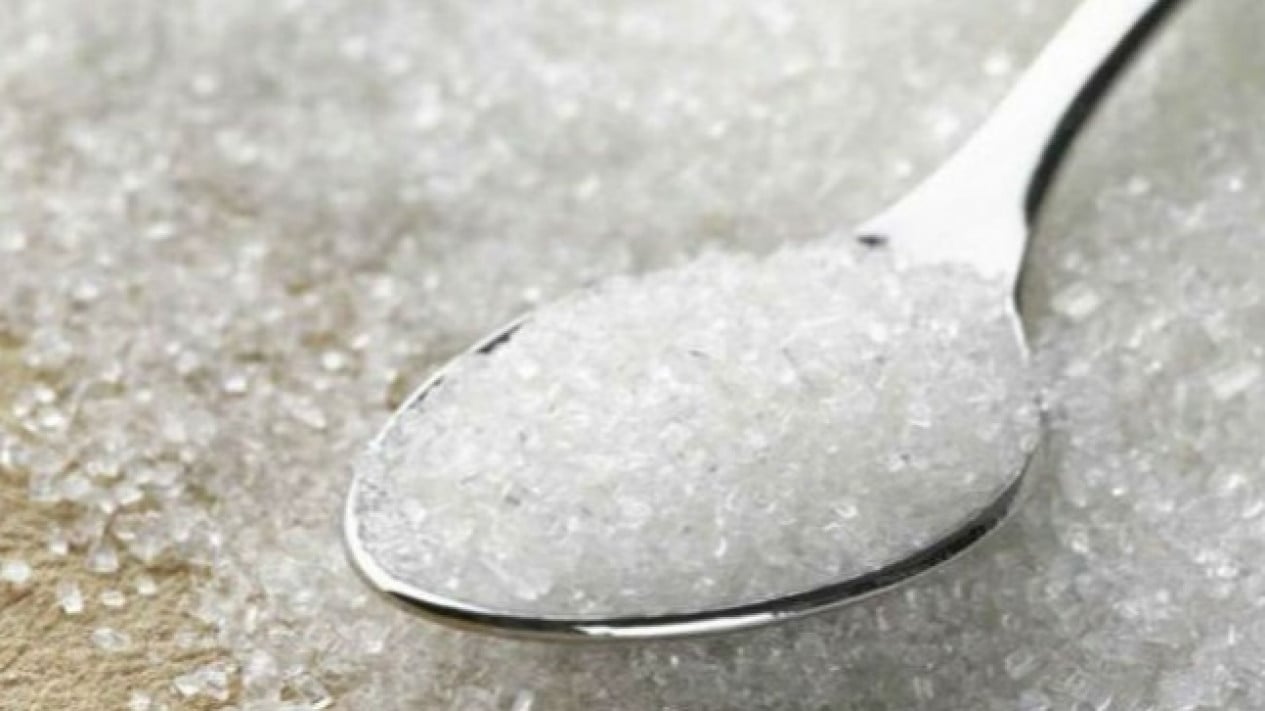
The government plans to shift the import of refined sugar raw materials from the private sector to state-owned enterprises (BUMNs), as stated during a Hearing with Commission VI of the House of Representatives on Wednesday, 8 April 2026.
This shift is proposed due to suspicions of refined sugar leaking into the consumer market, to address Sugar Co’s losses, and to achieve sugar self-sufficiency.
In response, Khudori, an agricultural expert from the Indonesian Political Economy Association (AEPI), criticised the government’s plan.
“The shift in imports is not a solution. In supply chain theory, it simply adds another marketing point, which ultimately means they will charge a margin,” Khudori said in his statement on Wednesday, 15 April 2026.
“In the end, the price of raw sugar will become expensive, which will impact refined sugar factories that use raw sugar as raw material,” he added.
He explained that the increase in raw material prices would then be passed on by the refining industry to the food and beverage and pharmaceutical industries. Ultimately, consumers would bear the cost increase.
According to Khudori, the policy would repeat the government’s failure to achieve beef self-sufficiency by importing buffalo meat from India and soybean imports by BUMNs.
“In the end, consumers have to pay very high prices because the BUMN tasked with self-reliance and PTPPI lacks sufficient financial capacity and also lacks a marketing network,” Khudori said.
Regarding the leakage of refined sugar into the consumer market, Khudori stated that this is not an issue of who imports the refined sugar raw materials. The leakage stems from weak government oversight and the high disparity between refined sugar and consumer sugar prices.
“The root of the problem is that our consumer sugar factories are inefficient, especially those owned by BUMNs, so the market must be separated between consumer sugar and refined sugar,” he said.