
Government's Dilemma on Fuel Prices: Curb Inflation or Burden the State Budget?
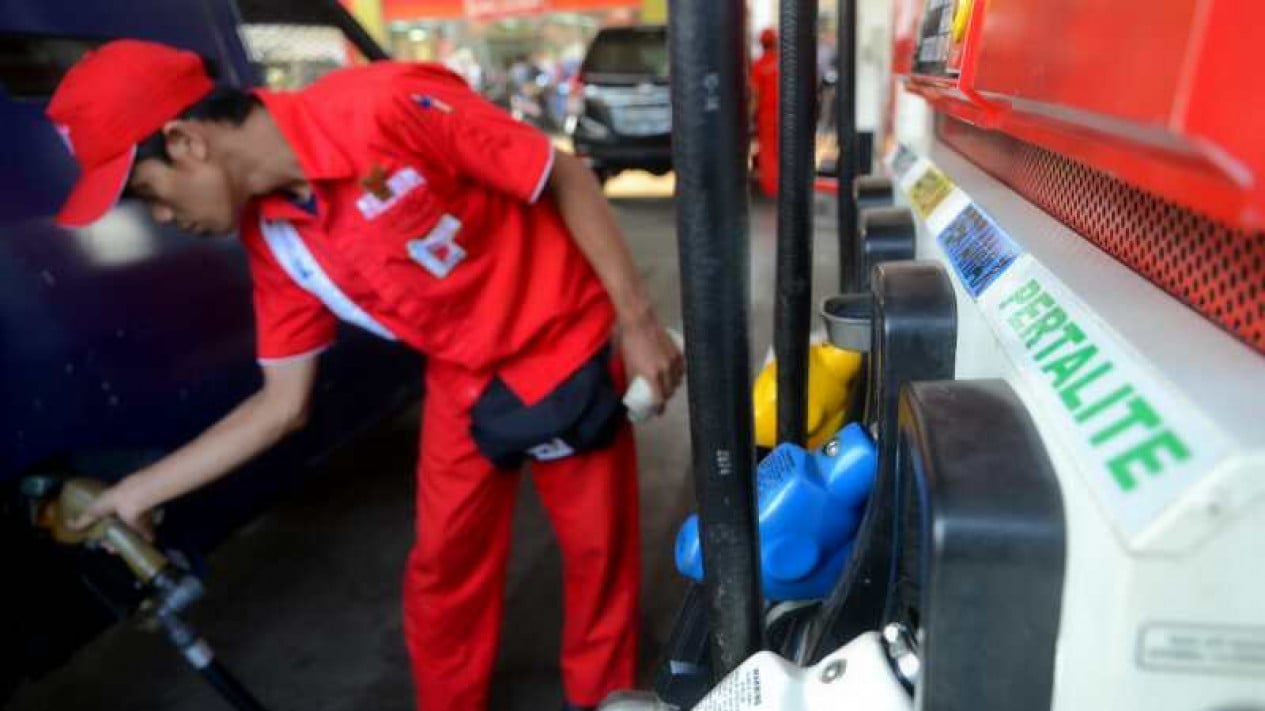
The prolonged conflict in the Middle East is beginning to impact various countries, including Indonesia. The energy crisis is prompting every nation to conserve resources amid a surge in fuel prices due to disruptions in the global energy supply chain.
Indonesian society has been alarmed by social media reports of a potential increase in non-subsidised fuel prices in April 2026. However, this issue was promptly denied by the State Secretary, Prasetyo Hadi, who affirmed that PT Pertamina would not raise fuel prices, whether subsidised or non-subsidised.
Nevertheless, analysts from Phintraco Sekuritas have highlighted the Indonesian government’s dilemma in determining fuel policy amid the global crude oil price surge. On one hand, holding fuel prices steady is seen as capable of dampening inflation; on the other, it could burden the state budget.
“If fuel prices do not rise, inflationary pressure from the transportation and logistics distribution sectors can be mitigated, thereby keeping consumer purchasing power stable,” wrote the Phintraco Sekuritas analysis team in their research report, quoted on Tuesday, 31 March 2026.
However, this decision is not without consequences. With global oil prices continuing to rise, holding fuel prices steady could increase the government’s energy subsidy burden. This situation opens the possibility for the government to adjust the budget, including reallocating from other expenditure items to maintain fiscal balance.
“With fuel prices not being raised at a time when global crude oil prices are increasing, this could lead to higher subsidy budgets and a widening risk of state budget deficit,” continued the Phintraco Sekuritas analysts.
Amid this uncertainty, market participants are now awaiting concrete steps from the government in responding to the rise in global oil prices. Energy policy decisions are considered an important sentiment for financial market movements in the near term.
Additionally, investors are monitoring the release of several domestic economic data scheduled for Wednesday, 1 April 2026. The March Manufacturing PMI is projected to slow to 51.2 from the previous 53.8, suspected to be influenced by seasonal factors such as religious holiday breaks.
Meanwhile, the February trade balance is projected to record a surplus of US$1.2 billion, up from US$0.9 billion in January 2026.