
Government Urged to Tighten Oversight of Mining on Obi Island
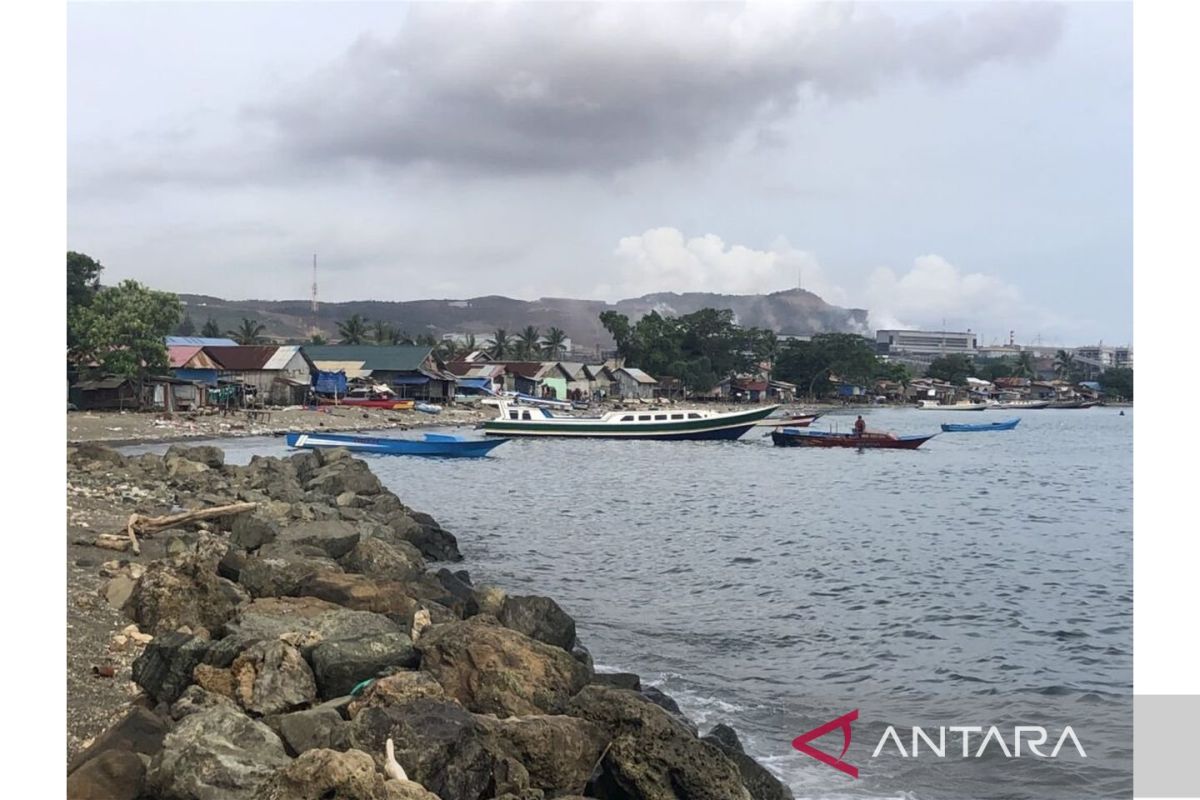
Jakarta (ANTARA) - The Indonesian Forum for Environment (Walhi) has urged the government to tighten oversight of the mining industry on Obi Island, North Maluku, to minimise the potential for ecological disasters.
“The government must immediately tighten supervision and take firm action against mining industry investments on Obi Island if they truly wish to reduce the risk of ecological disasters,” said Walhi’s National Campaign Spokesperson, Faizal Walhimalut, in a statement in Jakarta on Thursday.
The land area of Obi Island is around 3,048 square kilometres.
According to him, the island is now threatened by waste generated from the smelting and processing activities of nickel by PT Harita Nickel.
Communities in Kawasi Village and Soligi Village on Obi Island have also been affected by flooding.
These two villages have also experienced river pollution and a clean water crisis due to contaminated drinking water sources as well as the impact of air pollution.
Meanwhile, the Executive Director of Walhi North Maluku, Astuti N. Kilwouw, called on the company to take responsibility for mining management.
“Instead of halting their activities or at least forcing them to make improvements, the residents are being relocated to a place called Eco Village provided by the company. The company and government should be held accountable for mining management policies that damage the local ecological system, ignoring community complaints and participation,” said Astuti.
Previously, the non-profit organisation Earthworks revealed the results of its analysis regarding Indonesia’s rapid expansion of the nickel industry and the application of new processing technologies, which have created conditions potentially triggering catastrophic infrastructure failures.
The Earthworks analysis results show that several tailing facilities in Indonesia, particularly on Obi Island, are built higher and hold more waste than their safe capacity can handle.
If the tailing facilities on Obi Island collapse, the tailings are likely to flow into the nearest river and subsequently into the Maluku Sea, threatening the safety of mine workers and residents of Kawasi Village in the coastal area.
The report calls for immediate steps to protect communities in downstream areas.
The Earthworks analysis also found that seepage from tailing facilities on Obi Island has contaminated groundwater with boron, hexavalent chromium, and nickel.
“To ensure the safety of mine workers and local communities, we need to firmly halt production temporarily. No new waste should be added to these mine waste storage facilities until the company and government can guarantee the safety of the community and environment,” said Earthworks Mining Program Director, Ellen Moore.