
Government Urged to Implement Easily Understandable GGL Warning Labels
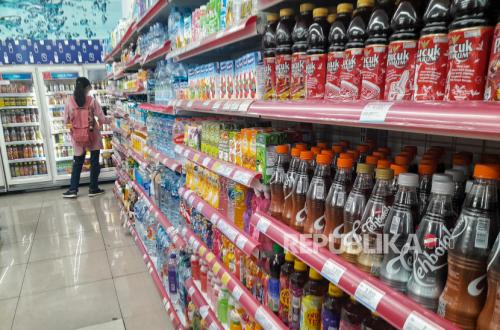
The Healthy Food Alliance is urging the government to review the nutrition labelling policy for ready-to-eat foods, which uses the Nutri Level system. Instead of the Nutri Level that can cause ambiguity, the alliance suggests that the government implement mandatory warning labels on the packaging. Public Health Nutritionist from the Indonesian Health Policy Space (RUKKI), part of the alliance, Imas Arumsari, revealed that various global studies prove that mandatory front-of-pack warning labels are more significant in reducing consumption of products high in sugar, salt, and fat (GGL) compared to the voluntary scoring Nutri Level system. Therefore, the government is asked to consider implementing mandatory warning labels as a more transparent approach for consumers. “The Nutri Level system has the potential to cause a health halo effect, where consumers perceive a product as healthier than it actually is and consume it excessively. This approach also does not sufficiently provide nutritional information and protect vulnerable groups such as children,” said Imas in a virtual media discussion monitored in Jakarta on Tuesday (28/4/2026). The alliance explained that warning labels are more effective because they use a simple visual display such as coloured icons or warning signs with firm and easily understandable messages. In contrast, the Nutri Level system can cause ambiguity because products with high GGL content can still appear ‘safe’ at level C, even though their consumption still needs to be limited. They also highlighted the minimal space for public participation in the policy formulation process for front-of-pack labelling. Chairman of the Indonesian City Residents Forum (FAKTA), part of the alliance, Ari Subagio Wibowo, questioned the Nutri Level policy formulation process that lacks transparency and does not meaningfully involve civil society, individuals, or affected groups.