
Government Updates KBLI, Crypto Sector Now Has Official Classification
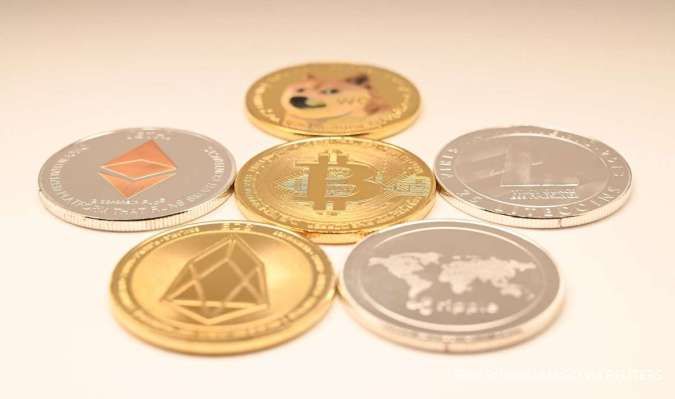
JAKARTA. The government has updated the Indonesian Standard Industrial Classification (KBLI) as a strategic step in responding to the rapid growth of the digital economy and the emergence of various new business models. The update, announced on Thursday (23 April 2026), encompasses several important sectors such as artificial intelligence, crypto assets, and technologies related to climate change. In its implementation, the government is providing conveniences for business actors to adjust their business data to the latest KBLI. The synchronisation process will be carried out automatically through the integrated Online Single Submission (OSS) licensing system, thus not requiring complex procedures. This classification covers activities that facilitate the trading of digital financial assets, including crypto, where business actors can conduct transactions on exchanges on behalf of customers or other parties. The presence of this category is seen as providing legal and operational clarity for crypto asset industry players in Indonesia. Tokocrypto CEO Calvin Kizana welcomed the government’s step, which is seen as increasingly providing legitimacy to the domestic crypto industry. “This KBLI update is a strong signal that the government is increasingly serious in accommodating the development of the crypto asset industry. With clearer classification, business actors have certainty in running their businesses while opening up greater room for growth in innovation in this sector,” Calvin said in his statement on Friday (24 April 2026). “Regulatory clarity like this not only increases industry players’ confidence but also encourages the entry of new investments and accelerates the broader adoption of blockchain technology,” he continued. As information, KBLI itself is an important reference used to classify business fields in Indonesia, while also making it easier for business actors to determine their business categories. With this update, the government is expected to create a business ecosystem that is more adaptive to technological developments. On the other hand, the contribution of the crypto asset industry to state revenue is also showing a positive trend. It is recorded that taxes from crypto transactions have reached Rp 1.96 trillion throughout the period from 2022 to February 2026. This figure reflects the great potential of the crypto sector as one of the sources of new economic growth in Indonesia. Finally, Calvin hopes that with the inclusion of the crypto sector in the latest KBLI, this step is seen as an important foundation in strengthening the national digital industry ecosystem while enhancing Indonesia’s competitiveness amid the global economic transformation.