
Government to Legalise Traditional Oil Wells in Tuban
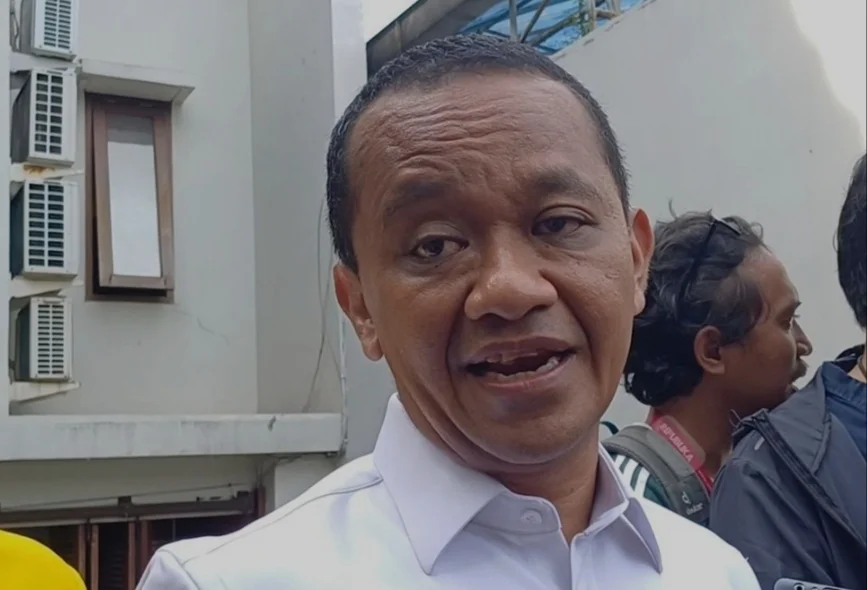
The hopes of residents managing old oil wells in Tuban Regency have finally found a ray of light. The government, through the Ministry of Investment/BKPM, will officially legalise community oil drilling activities that have long operated under legal uncertainty.
Minister of Investment/Head of BKPM, Bahlil Lahadalia, announced that regulations to legalise community oil wells will be unveiled on 2 July 2025. The policy will restructure traditional drilling practices spread across several areas, including the Senori and Bangilan districts of Tuban, known for their many old wells dating back to the Dutch colonial era.
“This is not about opening permits for new wells, but about how we legalise community activities that have been ongoing for a long time. We must not continue to criminalise these people. We must provide them with a fair legal framework,” Bahlil stated firmly.
Bahlil also noted that, according to ministry data, community oil drilling produces between 15,000 and 20,000 barrels per day. Unfortunately, the majority remains unrecorded in the national lifting system and tends to enter illegal distribution channels.
In a 2022 report, residents in Senori and Bangilan sub-districts were known to still manage old wells using traditional methods with basic equipment. Crude oil extracted from the ground was sold to local collectors at prices below market rates. Many complained of unilateral enforcement actions, as their activities were deemed illegal.
Now, with the new regulation, old wells that have been producing can enter a legal cooperation scheme with the state. The draft policy states that residents may partner with regional-owned enterprises (BUMD), cooperatives, or even Pertamina, so that production can be absorbed at official prices and supervised both technically and environmentally.
“I do not want people arrested for drilling oil. If they are already producing, why not legalise it? Their production could even be absorbed by Pertamina,” Bahlil added.
Furthermore, the ministry will regulate licensing technicalities and management schemes through Minister of Energy and Mineral Resources Regulation Number 14 of 2025, which will serve as the national legal basis. This policy will be a breath of fresh air for community energy practitioners, particularly residents of Tuban. Legalisation will open access to official markets, increase community income, and simultaneously address environmental issues caused by unregulated drilling.
It is hoped that the Tuban Regency Government and Regional Legislative Council will promptly respond to this policy by preparing derivative regulations at the regional level.