
Government Tightens ICT Spending, Digital Procurement Now Requires Clearance
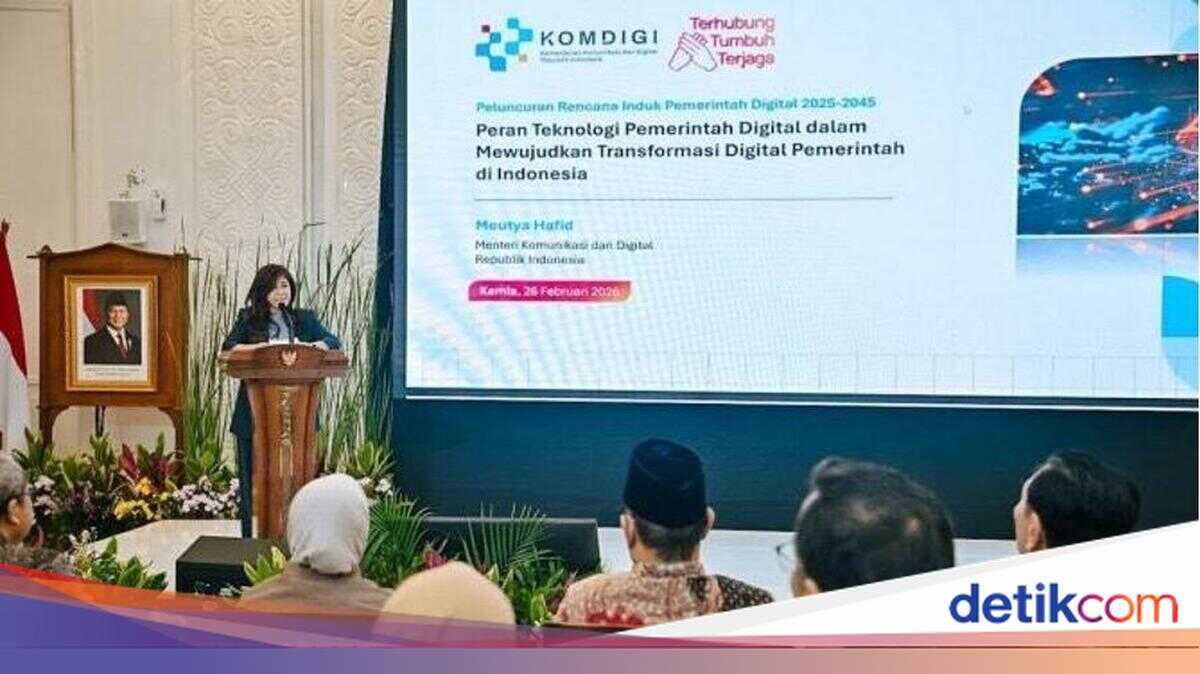
The Indonesian government is tightening oversight of Information and Communication Technology (ICT) spending to ensure that digital budgets genuinely benefit public services and prevent the accumulation of redundant applications. This policy was affirmed through the launch of the National Digital Government Master Plan (RIPDN) 2025-2045.
During the RIPDN 2025-2045 launch, the Ministry of Communication and Digital Affairs (Kemkomdigi) emphasised that all expenditure on applications and digital infrastructure by ministries and agencies (K/L) must now undergo a formal procurement approval mechanism (clearance). This scheme ensures procurement aligns with the national architecture of the Electronic-Based Government System (SPBE) whilst reducing programme duplication.
“Prevention of duplicate activities and optimisation of state budget, including efficiency, represents the principal spirit of the President,” stated Minister of Communication and Digital Affairs Meutya Hafid in a written statement on Friday, 27 February 2026. She highlighted the persistent issue of government applications operating in isolation without interconnection. To address this, Kemkomdigi is developing the Government Service Connector System (SPLP), positioned as the backbone of the public service ecosystem.
Through SPLP, all government applications must implement interoperability principles from the design stage onwards. The aim is that data exchange between systems occurs through standardised channels rather than sporadically. “Through SPLP, data exchange will no longer occur on an ad hoc basis but through controlled mechanisms that can be tracked and, most importantly, audited to maintain data integrity,” she explained.
Beyond clearance requirements, the government is also mandating stricter technology audits to ensure systems operate effectively and prevent recurring waste. Each agency must submit evaluation results from the previous year’s ICT spending, including evidence of follow-up improvements.
The evaluation and audit requirements are also directed at maintaining security in government system and data management whilst ensuring compliance with applicable regulations. Meutya believes strengthening governance is essential for shifting away from the compartmentalised working patterns of government agencies. “This effort requires coordination, commitment, openness, and active collaboration from all ministries, agencies, and local government,” she stressed.
She hopes this measure will enable the national digital space to deliver tangible benefits to society whilst promoting more integrated and efficient governance.