
Government Strengthens Early Glaucoma Detection at Community Health Centres to Reduce Blindness Risk
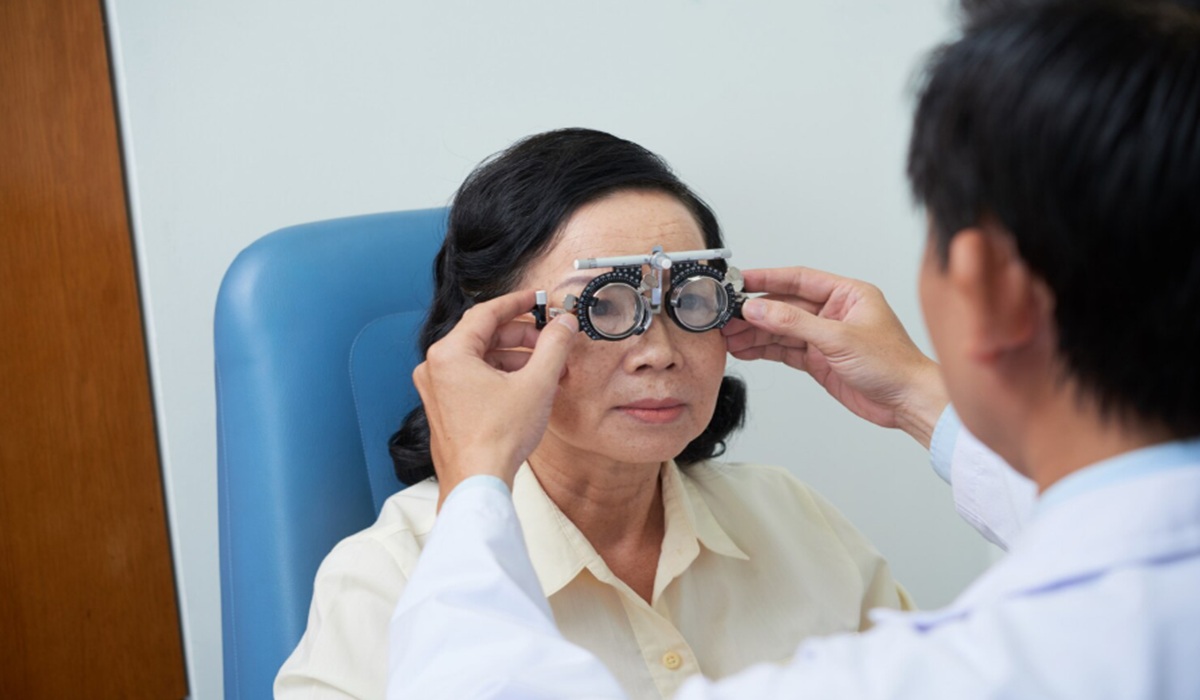
The government is strengthening the role of Community Health Centres (Puskesmas) in early detection of glaucoma, an eye disease that frequently develops without symptoms yet results in permanent blindness.
This strategic initiative includes enhancing the capacity of health workers, providing examination facilities, and strengthening referral systems to specialist eye hospitals.
Glaucoma is recorded as the second leading cause of blindness after cataracts. However, unlike cataracts which can be treated through surgery, vision damage caused by glaucoma is permanent and cannot be recovered.
The Head of the Bureau of Communication and Public Information, Aji Muhawarman, explained that the disease is often not recognised by sufferers in the early stages.
“Glaucoma is often called a vision thief because in many cases it develops slowly without clear symptoms in the early stages. As a result, many patients are only diagnosed when optic nerve damage is already quite advanced,” said Aji when contacted on Thursday (13 March).
Referral data from the 2018–2022 period shows glaucoma ranked fourth with approximately one million patients.
With a prevalence of around 0.46% in Indonesia, this figure is predicted to continue increasing as life expectancy rises.
One of the greatest challenges is the high number of undetected cases. The World Health Organisation (WHO) estimates that up to 90% of sufferers in developing countries are unaware that they have glaucoma due to minimal early symptoms.
“It is estimated that around 50% of glaucoma patients in developed countries and up to 90% in developing countries are unaware they have the disease because it often produces no complaints in the early stages,” explained Aji.
To reduce this risk, the government is integrating eye examinations into the free health check (CKG) programme at primary health facilities.
At the Puskesmas level, examination begins with vision acuity screening. If a patient’s visual acuity is less than 6/12, further examinations such as fundoscopy using an ophthalmoscope and intraocular pressure measurement will be performed.
“The government continues to promote efforts for early detection of eye diseases, including glaucoma, through routine eye examinations and strengthening services at primary health facilities such as Puskesmas,” he said.
Beyond medical technical aspects, the Ministry of Health is also enhancing the capacity of health workers through specialist training and strengthening service networks with professional organisations. The public is encouraged not to wait for symptoms to appear before having eye examinations, particularly those aged over 40 years.
“Eye examinations and other non-communicable disease conditions should be carried out at least once a year. Do not wait until vision problems occur, because glaucoma often develops without symptoms,” concluded Aji.