
Government Revises Regulations to Allow Third Parties to Build EV Charging Stations
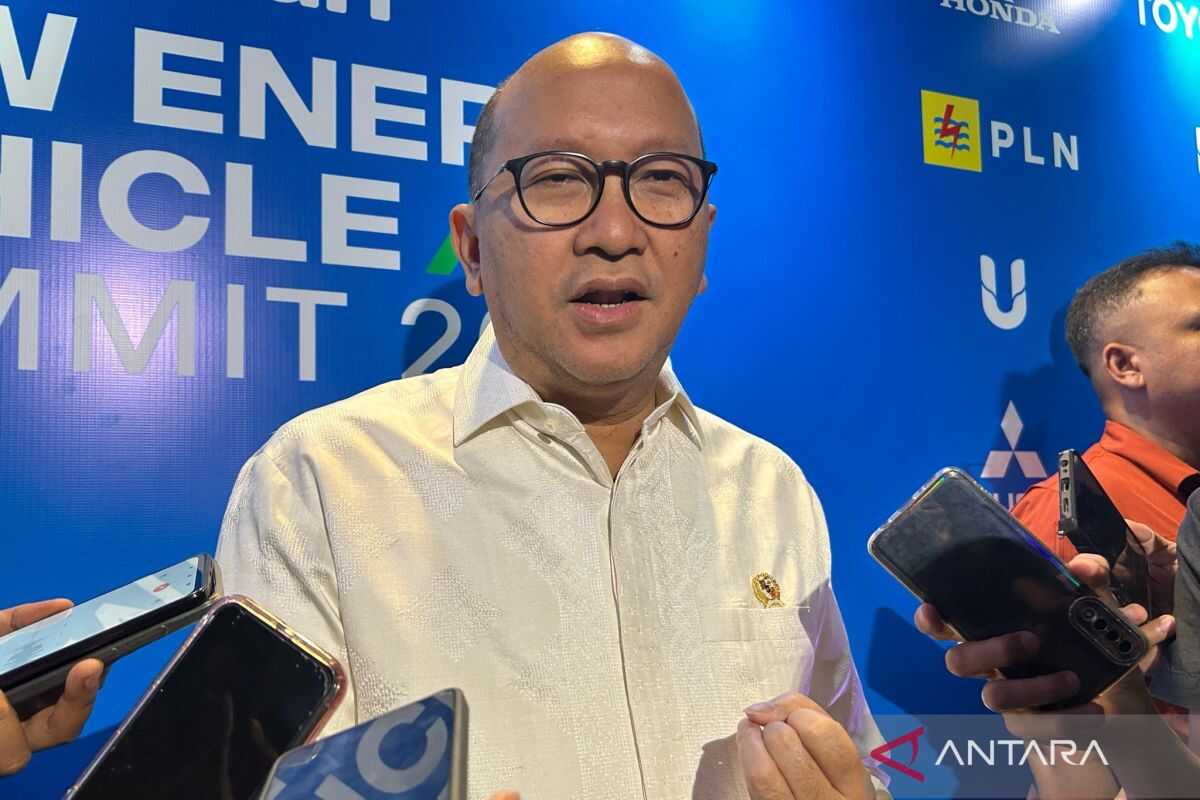
Jakarta (ANTARA) - Investment and Downstream Industries Minister/Head of the Investment Coordinating Board (BKPM) Rosan Roeslani said the government has revised a regulation to allow third parties to build electric vehicle charging stations.
Rosan noted that seven electric vehicle manufacturers have been building factories in Indonesia from 2024 through to March 2025. With a production target of 2.5 million electric vehicles per year by 2030, he said a robust ecosystem is needed, including charging stations.
“Therefore, we have revised a government regulation so that charging stations can be built by third parties, enabling rapid expansion across Indonesia,” Rosan said in Jakarta on Tuesday.
According to Rosan, charging stations are essential to drive growth in electric vehicle usage. He also urged investors looking to invest in Indonesia to conduct research and development related to electric vehicles. The government will provide incentives of up to 300 per cent for investors willing to undertake research and development.
“If we have EV batteries but charging infrastructure is still lacking, it will naturally reduce interest in using EVs going forward,” he said.
Rosan expressed hope that Indonesia would not merely serve as a market but would become a player and take part in the new energy vehicle (NEV) ecosystem.
In March 2025, Vietnamese automotive company VinFast plans to gradually build between 30,000 and 100,000 public electric vehicle charging stations across various regions of Indonesia, particularly on the island of Java.
Rosan stated that the investment value for building 100,000 charging stations could potentially reach approximately one billion US dollars.
Speaking at a press conference at the Presidential Palace complex in Jakarta on Tuesday (11 March), the Investment Minister said VinFast wishes to invest in a first phase covering 30,000 to 100,000 charging stations across Indonesia, primarily on Java.
“The investment value for 100,000 charging stations is around one billion US dollars, if I’m not mistaken. However, I’ll need to verify that figure, as it will be phased from 30,000 to 100,000,” he said.