
Government Reveals 38 Disaster-Affected Areas in Sumatra Have Returned to Normal
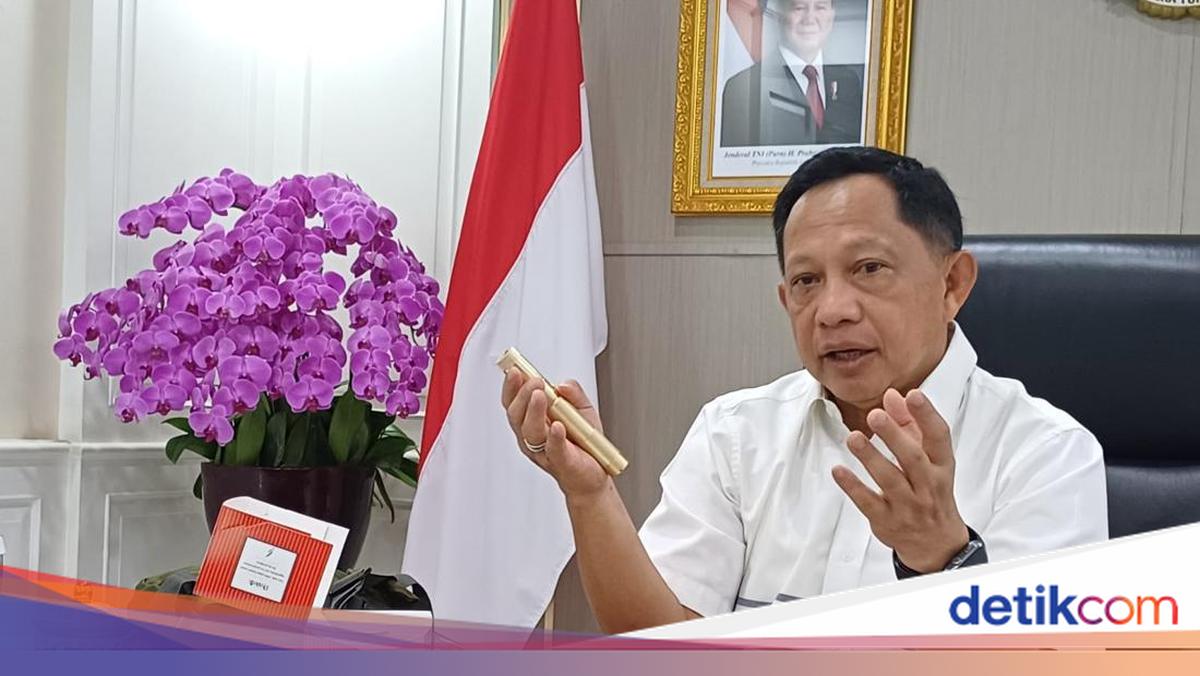
Minister of Home Affairs (Mendagri) Tito Karnavian has reported significant progress in the post-disaster recovery across Sumatra. Out of a total of 52 affected districts and cities, 38 areas—or about 73%—have been declared recovered or are already functioning normally.
“If we total it up, approximately 38 out of 52 areas are normal, around 73%. Those approaching normal are 6%, and those still needing special attention are 11 areas, or about 21%,” Tito told reporters in the Senayan area of South Jakarta on Monday (23/3/2026).
Tito explained that the government is now focusing all the strength of ministries and agencies on the 11 priority regions still facing various recovery obstacles in Aceh, North Sumatra, and West Sumatra.
Tito detailed that in Aceh Province, out of 23 districts and cities, 18 areas were affected. Ten areas have recovered, one is approaching normal, while the other seven remain the main focus: Aceh Tamiang, East Aceh, North Aceh, Pidie Jaya, Bireuen, Central Aceh, and Aceh Tamiang.
Meanwhile, in North Sumatra, out of 33 districts and cities, there are 18 affected areas, with 15 of them having recovered. One area, South Tapanuli, is approaching normal, while Central Tapanuli and North Tapanuli are priority handling regions.
As for West Sumatra, out of 19 districts and cities, 16 areas were affected, with 13 having recovered. One area, Tanah Datar, is approaching normal, while Agam and Padang Pariaman are the focus for accelerating recovery.
“I’m not saying they’re not normal, but we will focus our strength on these 11,” Tito stated.
As Chair of the Task Force for Accelerating Rehabilitation and Reconstruction (PRR) Post-Sumatra Disaster, indicators of recovery are not only viewed from physical conditions but also include the functioning of government, health services, education, transportation access, and community economic activities.
“National roads are 100% functional in the three provinces. National bridges can also be crossed, although some are still temporary,” Tito explained.
In addition, health facilities such as hospitals and community health centres in some areas have resumed normal operations. Economic activities are also starting to recover, marked by the reopening of several markets.
Nevertheless, several sectors still require attention, particularly education, local road infrastructure, and river normalisation affected by sedimentation.
“Rivers are important to me; this will take a long time if it’s rivers, because there are many rivers,” he said.
In terms of humanitarian aspects, Tito mentioned that the number of refugees in tents has also seen a significant decline. From an initial around 2.1 million people, now only about 173 people or 47 households remain.
“From over 2 million refugees at the beginning of December, now only about 173 people remain. This has decreased very significantly,” Tito said.
The government provides two schemes for affected residents: temporary housing (huntara) or housing waiting funds (DTH) of Rp 600,000 per month for three months.
For house damage, assistance is also provided with varying values, from Rp 15 million for minor damage to Rp 60 million for severe damage.
Tito added that the government will continue to accelerate the construction of permanent housing and repairs to basic infrastructure in priority areas.
“Our focus now is to ensure these 11 areas can soon follow and become normal with full support from all ministries and agencies,” Tito concluded.