
Government prioritises incineration technology in PSEL project
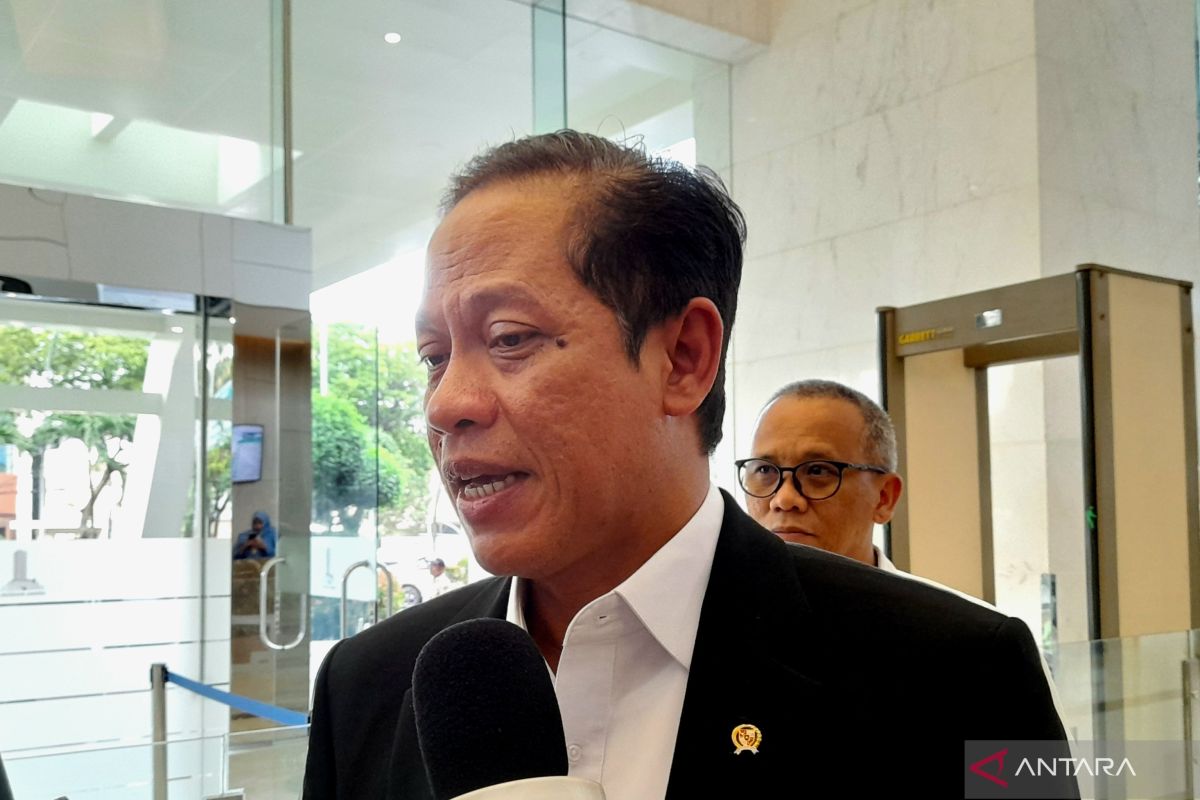
Jakarta (ANTARA) - The government, through the Ministry of Environment and Forestry (KLHK), is prioritising incineration technology, or high-temperature combustion, in the Waste-to-Electricity Processing (PSEL) project. “In large cities like urban or metropolitan areas, waste requires rapid handling. The most advanced technology that comes closest is incineration technology with proven studies. There are several dozen items that must be agreed upon before incineration is built in a location. Currently, we are processing tenders at three locations,” said Minister of Environment Hanif Faisol Nurofiq in Jakarta on Tuesday. Hanif explained that Indonesia still generates nearly 141–143 thousand tonnes of waste per day with varying characteristics depending on demographics and location. Therefore, incineration is chosen as one of the technologies that has been proven to be more environmentally friendly based on various studies and research. “Incineration technology has also developed in handling its emissions, which surpasses gasification technology. Previously, gasification was considered more environmentally friendly, for example in Surabaya. However, with advancements in emission control technology, incineration has become the most popular technology in the world,” he stated. This approach is chosen because waste generation in large cities cannot be caught up solely by building culture. Currently, KLHK has designated 31 agglomeration areas covering 86 districts/cities for the PSEL project with incineration technology, contributing 40 thousand tonnes of waste per day. “The three locations already underway are Bali, Bekasi City, and the Bogor agglomeration. Acceleration of the procurement of goods and services is also being carried out. However, this is not yet complete. With those 31 agglomerations, there is still nearly 100 thousand tonnes per day remaining. Therefore, other technologies must be built, such as Refuse-Derived Fuel (RDF),” said Hanif. RDF is a waste processing technology that converts dry waste with high calorific value into alternative fuel. Waste such as plastic, paper, and textiles is sorted, shredded, and dried to make it easy to burn. “RDF is the most feasible approach for cities near cement industries. We have 23 cement industries expected to handle 132 districts/cities with a projection of handling up to 60 thousand tonnes per day,” he added.