
Government Prepares One-Day-Weekly WFH Policy to Save Fuel
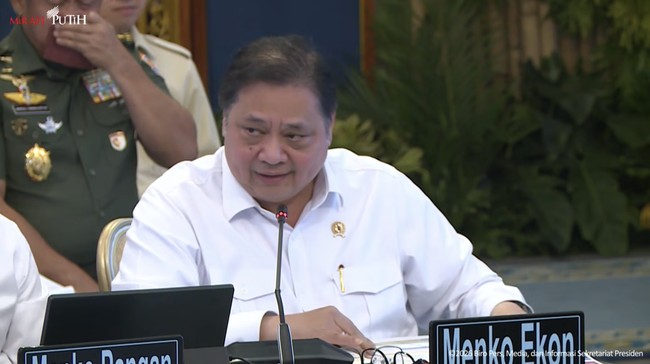
The government is refining a work from home (WFH) policy for one day per week as an efficiency measure amid global pressures, particularly the rise in world oil prices driven by conflicts in the Middle East. Coordinating Minister for the Economy Airlangga Hartarto revealed that this scheme is designed to cut consumption of petroleum fuel (BBM), which is largely absorbed by daily societal mobility. He noted that the potential savings are quite significant. “Therefore, there are savings in terms of what? Usage of mobility from petrol, the savings are quite significant, one-fifth, one-fifth of what we usually spend,” said Airlangga after a meeting with President Prabowo Subianto at the Presidential Palace Complex in Jakarta, as reported by Detik.com on Thursday (19/3/2026). This step forms part of the government’s strategy to dampen external impacts on the domestic economy, especially in energy and logistics costs, without immediately resorting to more extreme policies. The policy is planned to apply not only to civil servants (ASN) but is also hoped to be followed by the private sector and regional governments. The government is currently preparing the technical details of its implementation to ensure it runs effectively without disrupting work productivity. “Well, the technicalities are being prepared, because this is expected not only for ASN but also for the private sector and regional governments,” he said. The plan for implementing WFH one day in five working days will begin after the 2026 Eid al-Fitr period. However, the government has not yet set a definite implementation date as it awaits finalisation of the policy concept. “Post-Eid, but we will determine the timing later,” said Airlangga. In addition, the duration of the policy has not been definitively determined. The government will adjust it according to global developments, particularly oil price dynamics and geopolitical conditions in the Middle East region. “We will see the situation later. The oil price situation, the war situation. So we follow the developing situation,” he said.