
Government Prepares New Economic Stimulus in Response to Energy Turbulence
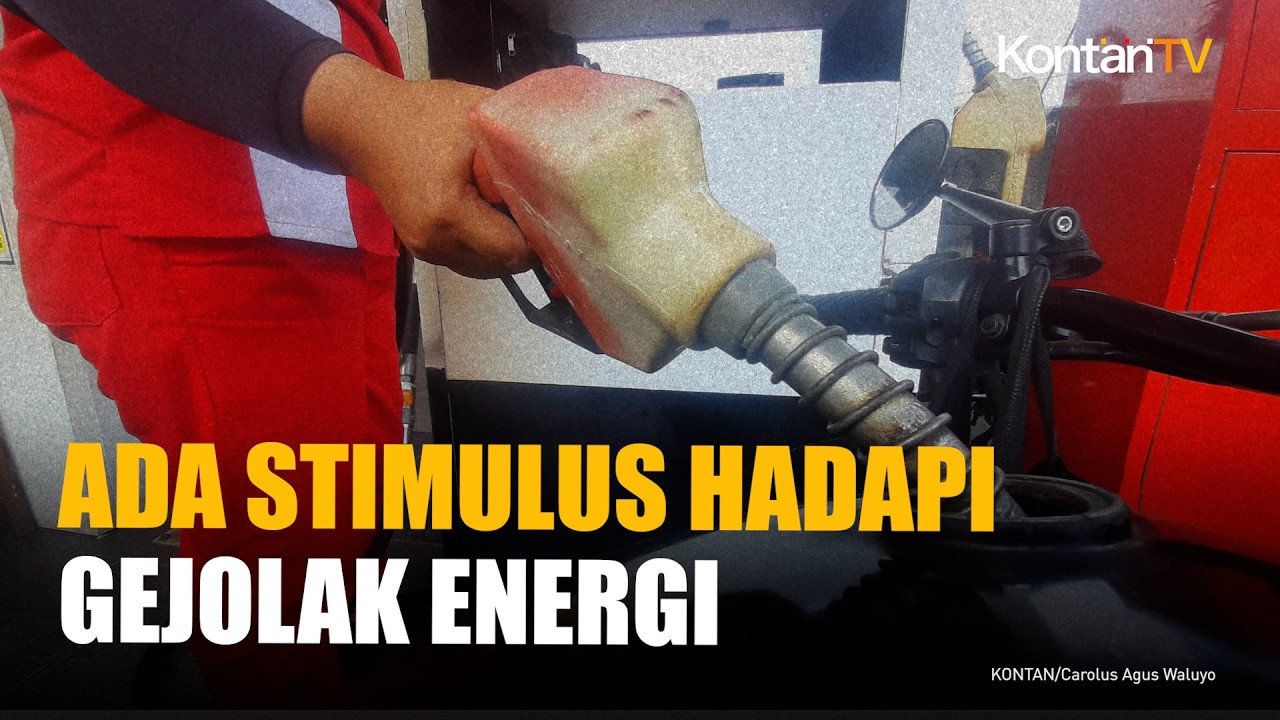
The government held another virtual inter-ministerial coordination meeting on Tuesday, 24 March 2026. Behind the scenes, there were heated discussions on adjusting energy policies and economic stimulus packages. Why is this important? Because these decisions will affect fuel prices, electricity tariffs, and job opportunities across the country.
The meeting was chaired by Airlangga Hartarto, Head of the Approval Council (DPP), with the attendance of Cabinet Secretary Teddy Indra Wijaya and key ministers: Interior Minister Tito Karnavian, State Secretary Prasetyo Hadi, Finance Minister Purbaya Yudhi Sadewa, Investment Minister/Head of BKPM Rosan Roeslani, as well as Education Minister Abdul Mu’ti and Brian Yuliarto. All participated virtually, signalling the era of remote work that has now become the norm.
The main agenda was to discuss ways to maintain energy stability while ensuring economic sustainability. The government reviewed electricity tariffs, fuel subsidies, and plans for transitioning to renewable energy. The goal: to avoid price spikes that could shake households and industries, while reducing carbon emissions.
In addition to energy, the meeting also reviewed policy options for economic stimulus. With ongoing global economic dynamics, the government is considering support packages for the MSME sector, infrastructure investments, and flexible work programmes (WFH) for civil servants and the private sector. One scheme discussed: fuel savings of up to 20% through WFH policies after Eid.
During the meeting, the ministers presented their respective strategic views. The Finance Minister emphasised the importance of keeping the fiscal deficit under control, while the Investment Minister highlighted opportunities for green investments. The Education Minister added that education on renewable energy must be incorporated into the curriculum to prepare the next generation for the energy transition.
What does this mean for citizens? If the energy policies succeed, we can expect more stable electricity tariffs, fuel prices that do not soar, and job opportunities in the clean energy sector. Appropriate economic stimulus can accelerate post-pandemic recovery, especially for MSMEs still feeling the pressure of production costs.
Energy policies and economic stimulus are not just bureaucratic agendas. They are the foundation for sustainable growth, energy security, and public welfare. The decisions taken in this meeting will be felt in monthly electricity bills, petrol prices at fuel stations, and even job opportunities for new graduates.