
Government prepares Human Rights Bill to expand protection to economic and digital realms
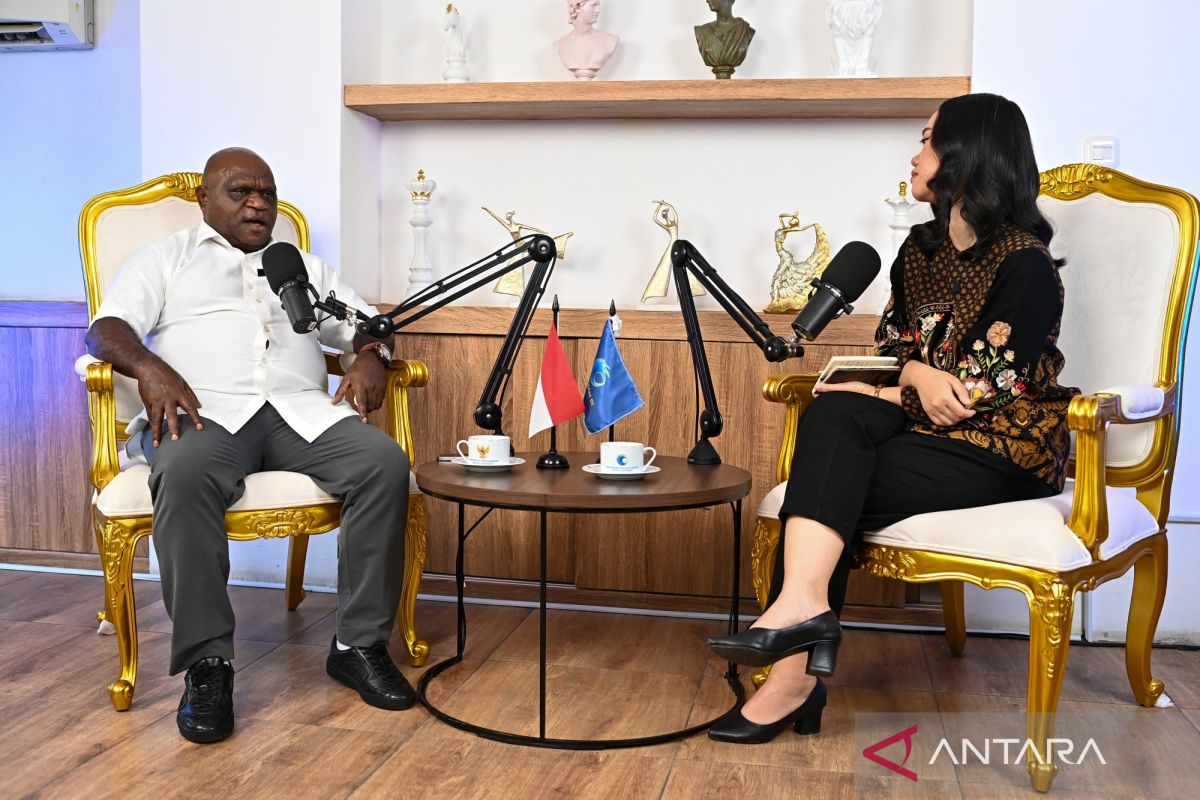
Jakarta (ANTARA) - The government is preparing a Human Rights Bill (RUU HAM) that expands the scope of protection not only to civil and political aspects but also to economic, social, cultural, and digital realms. Human Rights Minister Natalius Pigai, in an exclusive interview with ANTARA in Jakarta on Tuesday (28/4), said this change is a continuation of the human rights paradigm shift that has been built over the past decade. According to him, the understanding of human rights, which for decades was dominated by a legal approach, is now being expanded to one based on the basic needs of society. “Law has dominated for nearly 80 years. But now I want to build a civilisation of human rights. Human rights are not just civil and political, but also economic, social, cultural. Issues of food, health, education—that’s human rights,” he said, as reported in Jakarta on Thursday. He emphasised that the government’s policy direction, including national priority programmes, has reflected this approach. “Programmes like nutritious meals, free healthcare, education—that’s human rights. More than half of the state budget is directed there. That’s a fact,” he stated. In addition to expanding the substance, the Human Rights Bill also incorporates new dimensions that are relatively unregulated, including the relationship between human rights and technology and the digital space. “We include the ‘right to be forgotten’. People can request the deletion of negative digital traces,” said Pigai. He added that the regulation maintains a balance between individual protection and freedom of expression. “Freedom of expression remains guaranteed. What is not allowed is ad hominem attacks, SARA (ethnic, religious, racial, and inter-group issues), damaging morality, disrupting national stability,” he said. In the draft, the government also includes new issues such as the relationship between human rights and the environment, business, and even corruption. “There are new things like human rights and the environment, human rights and corruption, human rights and business. This is not yet common in the world,” he said. Pigai assessed that this expansion of scope is important to address future challenges while strengthening Indonesia’s position in global human rights governance. This Human Rights Bill is expected to become the foundation of national policies that are not only oriented towards protection but also the fulfilment and systematic prevention of human rights violations.