
Government Predicts Two Peak Waves of Homecoming and Return Migration for Eid 2026
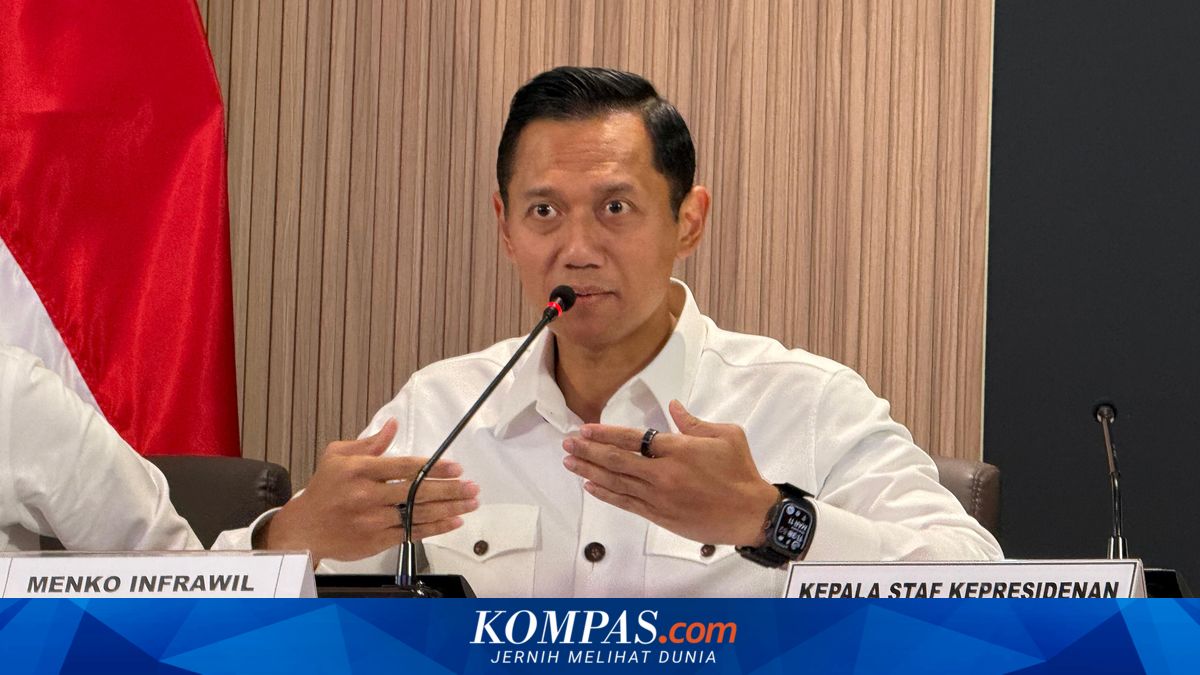
Jakarta – The Minister of Infrastructure and Regional Development Agus Harimurti Yudhoyono (AHY) has forecast that the peak homecoming traffic for this year will occur in two waves, on 14-15 March 2026 and 18-19 March 2026.
“For the return journey, the peak is estimated to fall on 24 and 25 March, followed by a second peak on 28 and 29 March,” AHY said at a press conference at the Palace in Jakarta on Wednesday (11 March 2026).
AHY stated that an estimated 143.9 million journeys are expected during the 2026 Eid holiday period.
AHY explained that the largest concentration of passenger movement would be directed towards Central Java, East Java, West Java, Yogyakarta, and South Sulawesi.
To manage the anticipated congestion, the government is promoting policies such as work-from-anywhere (WFA), which is expected to help reduce peak-hour traffic clustering. “This is why, in the interim, we are distributing the load by implementing work-from-anywhere policies. Further details will be explained by the Coordinating Minister for Human Development and Culture. In essence, previous traffic management policies have proven effective in reducing extreme congestion,” he explained.
Regarding transport modes, AHY noted that private vehicles remain the primary choice for homecoming travellers. Approximately 52 per cent of returning migrants are estimated to use private cars for their journeys.
“Looking at the transport modes used, the breakdown shows that private vehicles remain highly dominant, accounting for approximately 52 per cent of all travel,” AHY said.
Ferries, aeroplanes, intercity trains, and maritime vessels account for smaller proportions of travel, falling below both private vehicles and buses in usage.
“It is clear, therefore, that homecoming migration places the main burden on major roads, including toll roads, national highways, and arterial roads that lead to the destinations of travelling communities,” he added.