
Government Pledges Completion of Temporary Housing for Landslide Victims in Tegal Five Days Before Eid
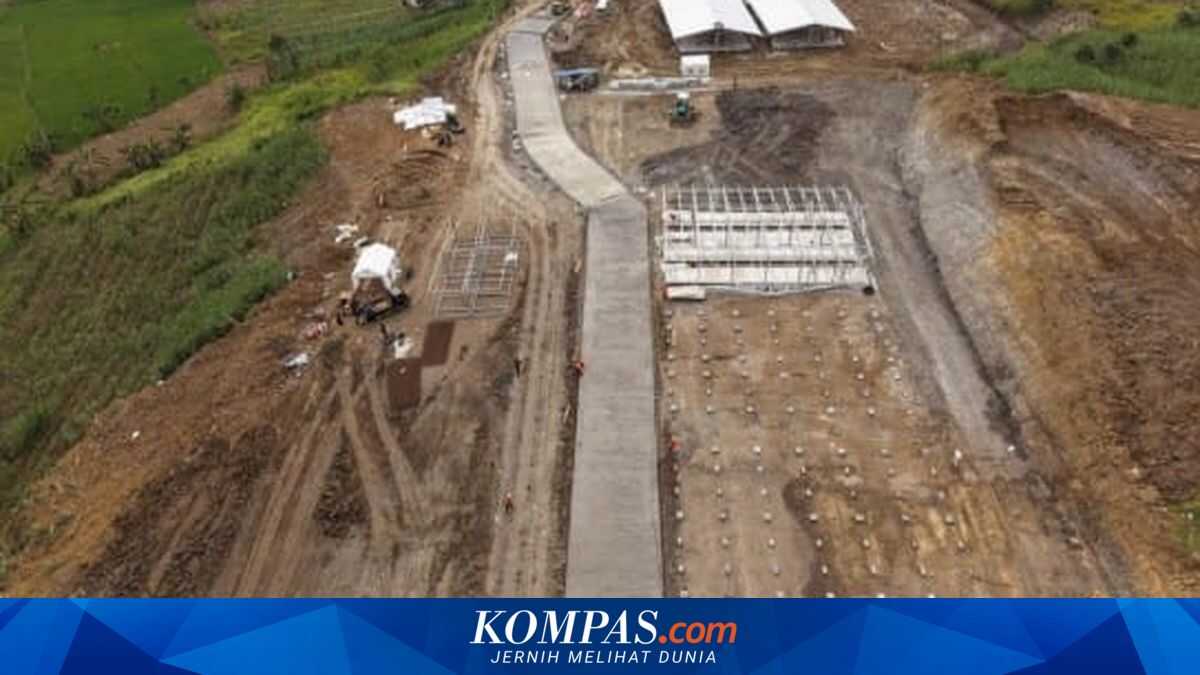
Jakarta—The Ministry of Public Works (PU) is accelerating the handling of the landslide disaster in Tegal Regency, Central Java Province, by providing temporary housing (huntara) for affected residents.
The government is targeting completion of the temporary housing construction by no later than five days before Eid al-Fitr 2026, so that residents can occupy the units before the holiday and homecoming season.
Public Works Minister Dody stated that the acceleration of construction represents the government’s commitment to providing safe and adequate housing for disaster-affected communities. “Therefore, residents can soon occupy safer housing before the homecoming and Eid al-Fitr 2026 holiday period,” Dody said, according to a press statement issued on Sunday (1 March 2026).
Each unit has been designed to meet proper habitation standards, with provision of basic utilities and facilities to support community life. The facilities being provided include electrical connections from the state power company (PLN), clean water supply, a mosque for religious and social activities, a community centre, a health post, and a mini football pitch serving as a space for community interaction.
The Ministry of Public Works is also coordinating with the regional government and the Energy and Mineral Resources Agency (ESDM) of Central Java Province to ensure that the temporary housing construction is located in geologically safe areas. This is necessary given that the affected area is a landslide-prone zone, requiring technical disaster assessments before the housing location is finalised.
In addition to temporary housing construction, the regional government working with technical agencies is still searching for alternative, more stable land for building additional temporary housing and for plans regarding permanent relocation in the future.
The Ministry of Public Works emphasised that post-disaster recovery is not solely focused on physical construction but also on long-term community safety. For this reason, each housing location will undergo technical assessment to minimise the risk of future disasters.
Through coordination between the central government, regional government, and technical agencies, the provision of temporary housing is expected to serve as a quick solution for affected residents whilst also marking the beginning of a process towards creating a safer and more sustainable area.