
Government Oversees Infrastructure Development in Sumatran Disaster Sites Ahead of 2026 Lebaran Exodus
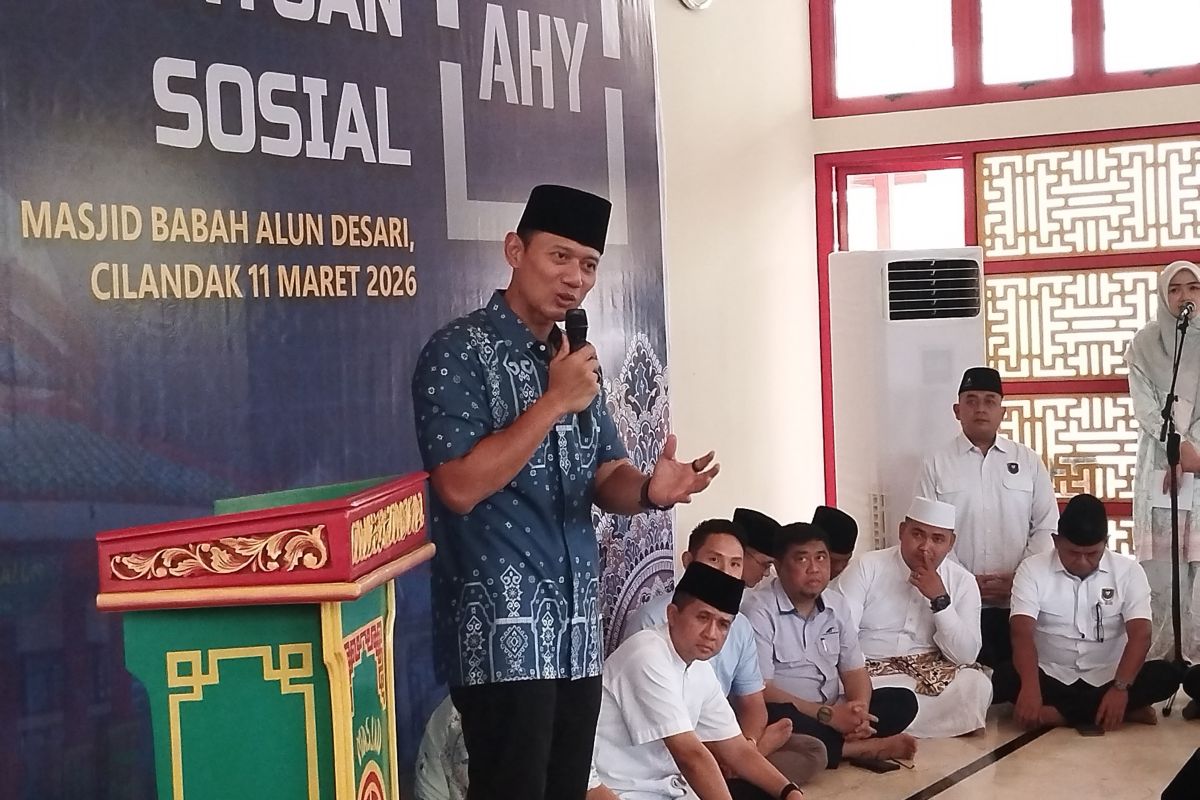
Jakarta (ANTARA) – Indonesia’s Coordinating Minister for Infrastructure and Regional Development Agus Harimurti Yudhoyono (AHY) has stated that the government continues to oversee infrastructure preparation in areas affected by Sumatran flooding ahead of the Lebaran 2026 exodus.
AHY said the Coordinating Ministry for Infrastructure and Regional Development is collaborating with the Ministry of Public Works, the Ministry of Housing and Settlements, and the Ministry of Agrarian Affairs and Spatial Planning to pursue land recovery efforts in Sumatra.
“In terms of infrastructure, we remain focused on overseeing and continuing to encourage the Ministry of Public Works, the Ministry of Housing and Settlements, and certainly also the Ministry of Agrarian Affairs and Spatial Planning because it relates to land and spatial planning matters,” he said during a press interview following a distribution of aid at Babah Alun Mosque in Jakarta on Wednesday.
The Task Force for Accelerated Rehabilitation and Reconstruction in Post-Disaster Sumatra continues to work and coordinate with the Coordinating Ministry for Infrastructure and Regional Development through field inspections, coordination meetings, and improvements to various facilities in the three affected provinces.
“Progress is certainly ongoing, including repairs or reconstruction of roads and bridges that were destroyed, clean water sources, and also public housing that suffered extensive damage – whether light, moderate, severe, or completely washed away by floods and landslides,” he said.
Additionally, the government has provided temporary shelter (huntara) as part of the land rehabilitation and reconstruction process, and permanent housing construction across all areas still requires time to be completed.
“All of this is being carefully tracked; at minimum, temporary shelters are now predominantly functional across the three provinces. What still requires time is permanent housing, as it needs to be located in areas not prone to disaster,” he explained.
AHY expressed hope that recovery progress in affected areas will achieve the desired outcome – either restoration to previous conditions or improvement thereof.
“Hopefully there will be consistent progress month after month and year after year, as it truly requires considerable time to restore things to how they were and even make them better,” he said.