
Government Opens EV Charging Station Development to Private Sector
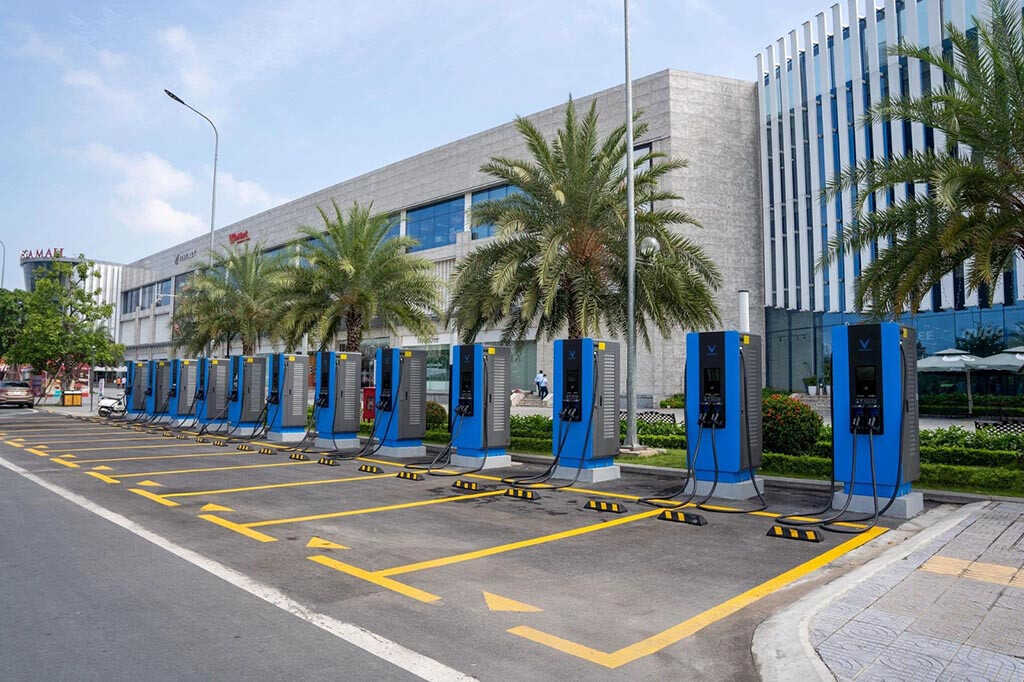
Jakarta: The government continues its efforts to enhance the electric vehicle ecosystem in Indonesia, including by allowing the private sector to build electric vehicle charging stations (SPKLU).
Minister of Investment and Downstreaming/Head of the Investment Coordinating Board (BKPM), Rosan Roeslani, said the government is revising regulations to permit third parties to construct charging stations.
“We are revising a government regulation so that charging stations can be built by third parties, enabling them to spread rapidly across Indonesia,” Rosan said, as quoted by Antara.
Rosan noted that seven electric vehicle manufacturers have been building factories in Indonesia from 2024 through to March 2025. With the target of producing 2.5 million electric vehicles per year by 2030, he said a robust ecosystem is needed, including charging infrastructure.
Rosan considers charging stations essential to driving growth in electric vehicle usage. He also called on investors wishing to invest in Indonesia to conduct research and development related to electric vehicles. The government will provide incentives of up to 300 per cent for investors willing to undertake research and development.
“If we have EV batteries but charging infrastructure remains insufficient, it will naturally reduce interest in using EVs going forward,” he said.
Rosan expressed hope that Indonesia would not merely serve as a market but would become a player and participant in the new energy vehicle (NEV) ecosystem.
In March 2025, Vietnamese automotive company VinFast announced plans to gradually build between 30,000 and 100,000 public electric vehicle charging stations across various regions of Indonesia, primarily on Java. Rosan stated that the investment required to build 100,000 charging stations could reach approximately USD 1 billion.