
Government Official Salary Cut Plan Demonstrates Solidarity with Public Suffering
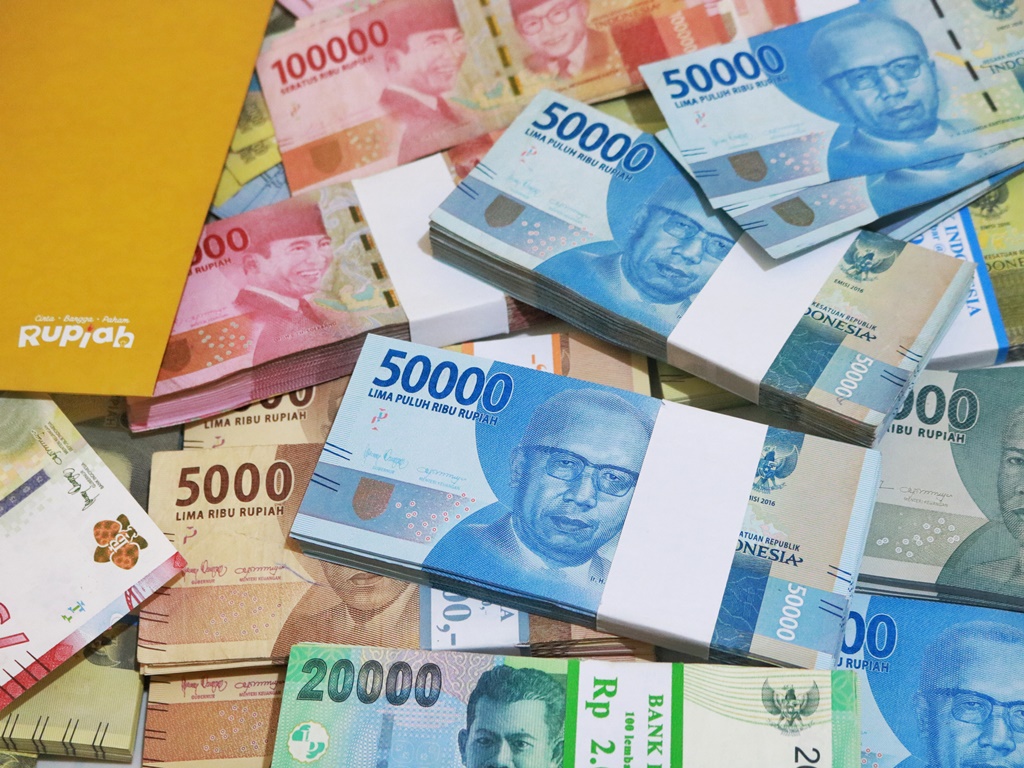
Sulikah Asmorowati, Professor of Policy Science and Development Management at Airlangga University (Unair), has welcomed President Prabowo Subianto’s plan to reduce the salaries of state officials amid mounting global economic uncertainty. According to her, this option represents more than a matter of figures or cost savings—it is a political statement that could constitute genuine symbolic politics or moral authority.
“From a policy perspective, this step is a manifestation of political symbolism. There is currently global economic uncertainty, rising commodity prices, and even the threat of global recession amid the US-Iran tensions, coupled with rising global oil prices and other factors that will inevitably impact Indonesia’s recession risk,” Sulikah said when contacted on Monday (16 March).
“In this context, President Prabowo’s proposal demonstrates solidarity of suffering or shared burden with society,” she added.
Citing Christopher Hood’s 1998 book “The Art of the State,” she noted that the effectiveness of a policy is often determined not only by its material impact but also by the extent to which authorities or top leaders can align with the reality faced by citizens bearing increasingly heavy burdens.
Therefore, she said, the salary cut is an instrument to build social trust or public confidence. “Without public trust, subsidy adjustments or tax increases will be difficult for the public to accept without triggering controversy,” she explained.
Furthermore, Sulikah continued, this salary reduction can also serve as a gateway to radical bureaucratic reform. The main problem in Indonesia is not just the basic salary amount but the layered allowance structure. For example, there are sometimes inefficient operational costs or overlapping institutional functions.
“If this salary cut is implemented, it should be accompanied by proper restructuring of bureaucratic cost structures. Otherwise, it will merely become sympathy politics or political ceremony without sustainable structural impact—in other words, just image-building,” she stated.
Theoretically, she said, there is a performance-based budgeting perspective. If this salary cut is linked to performance-based budgeting, it becomes crucial.
In modern public management systems, she explained, official remuneration should be variable, not fixed. Currently, the salaries of both executive and legislative officials tend to be treated as a right, regardless of their achievements, outputs, performance, or outcomes.
“Therefore, the cut should not, in my view, be implemented flatly or uniformly. It should be linked to key performance indicators. For example, if a minister or parliamentary member fails to achieve their KPI targets, the cut could be more significant,” Sulikah said.
“Because without linking it to performance, this salary reduction risks creating demotivation, especially for those with excellent performance,” she emphasised.
Economist Yusuf Rendy Manilet views President Prabowo Subianto’s move to open the option of reducing state official salaries as an initiative worthy of appreciation.