
Government Offers Wide-Ranging Incentives to Attract Investment, but Socialisation Remains Key
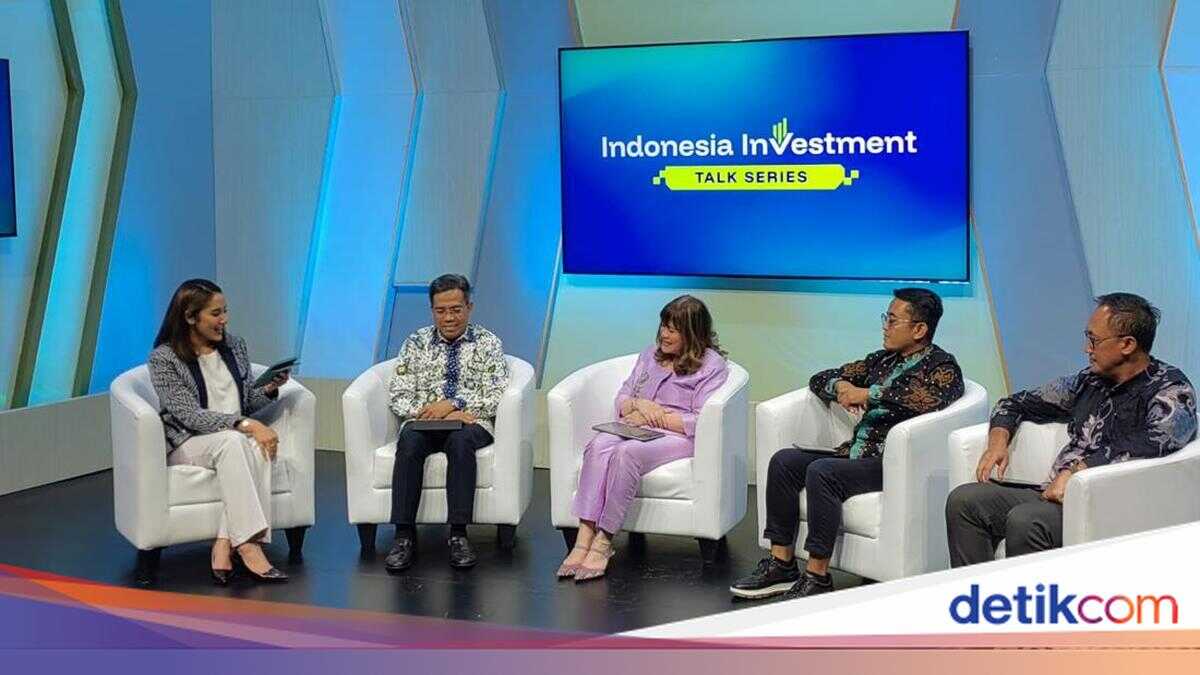
Jakarta — The Indonesian government offers numerous incentives to attract investment into the country, yet many investors remain unaware of them.
According to Nurul Ichwan, Deputy for Investment Promotion at the Ministry of Investment and Downstreaming/BKPM, many investors are immediately interested once they learn about the various incentives on offer. He said socialisation is therefore something the government needs to improve.
“Once we conveyed this to various parties, both domestically and abroad, many of them were astonished, interested and impressed. Hopefully this will serve as an additional sweetener to attract more investment into Indonesia,” Ichwan said during the detikcom Indonesia Investment Talk Series in Jakarta on Wednesday (30 April 2025).
He explained that one incentive is the exemption from import duties for investments in the manufacturing sector. Entrepreneurs can import machinery without being subject to tax, provided the equipment is not resold. This incentive is available for two years, with a possible extension of a further two years if the machinery used contains 30–40 per cent local content.
The policy has received a positive response from business operators. “In the manufacturing sector, they are given the freedom to import into Indonesia without being charged import tax or entry fees. They are exempt from these charges, as long as the imports are used for manufacturing activities, not for trading,” Ichwan explained.
Another incentive is the tax holiday — a policy providing tax exemption or reduction for certain sectors over a defined period. Tax holidays are granted for between five and 20 years, depending on the qualifications met by the investor.
“Ultimately, execution depends on the implementation of the investment value by the investor. Say they are initially granted 20 years, but after evaluation they only qualify for 15 years — then 15 years is what will be implemented,” he said.
There is also the super tax deduction, which offers industries tax savings derived from reductions in gross income for expenditure on practical work activities, apprenticeships and/or learning programmes. Nurul said the deduction ranges from 200 to 300 per cent.
“For research and development, it can reach up to 300 per cent of the total cost incurred for conducting research and development in Indonesia. This gives them the opportunity to reduce their taxable income to a smaller amount,” he concluded.