
Government Must Provide Comprehensive Clarity on Fuel Oil Stock to Prevent Panic Buying
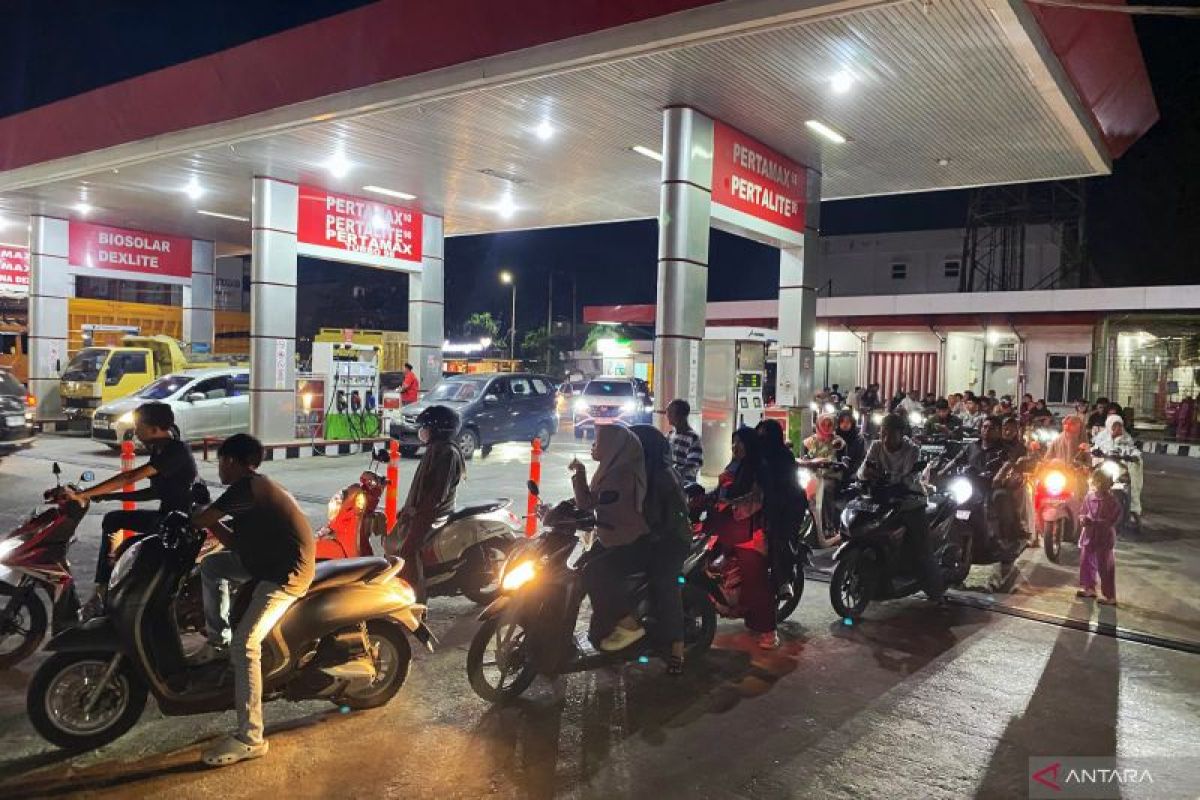
Nevi Zuairina, a member of Commission VI of the Indonesian House of Representatives, has stressed the importance of maintaining stable fuel oil (BBM) distribution and public confidence regarding national fuel availability. Her warning came following public concerns triggered by government statements about national BBM reserves standing at 21-25 days.
“Information regarding BBM operational reserve capacity must be explained comprehensively to the public to prevent misunderstandings that could lead to panic buying in various regions,” said Nevi in a statement on Wednesday, 11 March.
The PKS faction politician emphasised that incomplete public communication can trigger excessive concern. When the public hears that BBM stocks will last only about three weeks, many assume fuel shortages will occur. “However, this refers to operational reserve capacity in national storage tanks, not that BBM supply will be exhausted within that period,” Zuairina clarified.
According to Nevi, panic buying is typically triggered by several factors, including information uncertainty, mass psychology, and concerns about global geopolitical conditions. She noted that escalating international conflicts frequently spark public anxiety over global energy supply stability.
“Often, public fear exceeds actual conditions. When some people begin hoarding fuel, others follow suit, triggering long queues at petrol stations and disrupting distribution,” she explained.
Nevi added that panic buying can create artificial scarcity, potentially disrupting the national energy distribution system and driving up prices at the consumer level. Consequently, she urged the government to strengthen rapid, transparent, and data-driven public communication. Additionally, distribution stability from refineries through depots to petrol stations must be maintained to ensure smooth supply across all regions.
“Oversight of potential fuel hoarding and misuse must be tightened, particularly in situations prone to speculation,” she emphasised.
Furthermore, Nevi believes this situation should serve as an important reminder for Indonesia to strengthen national energy reserves. Indonesia’s current BBM reserves remain far below those of other nations. She cited Japan, which maintains reserves of approximately 254 days; the United States with 90-120 days; and the European Union and China, which average minimal reserves of 90 days.
“Strengthening strategic energy reserves must become a long-term agenda. Increasing storage tank capacity and developing national energy reserves represent important steps to fortify Indonesia’s energy resilience in the future,” she concluded.