
Government Mitigates Impact of Global Geopolitical Dynamics on Tourism
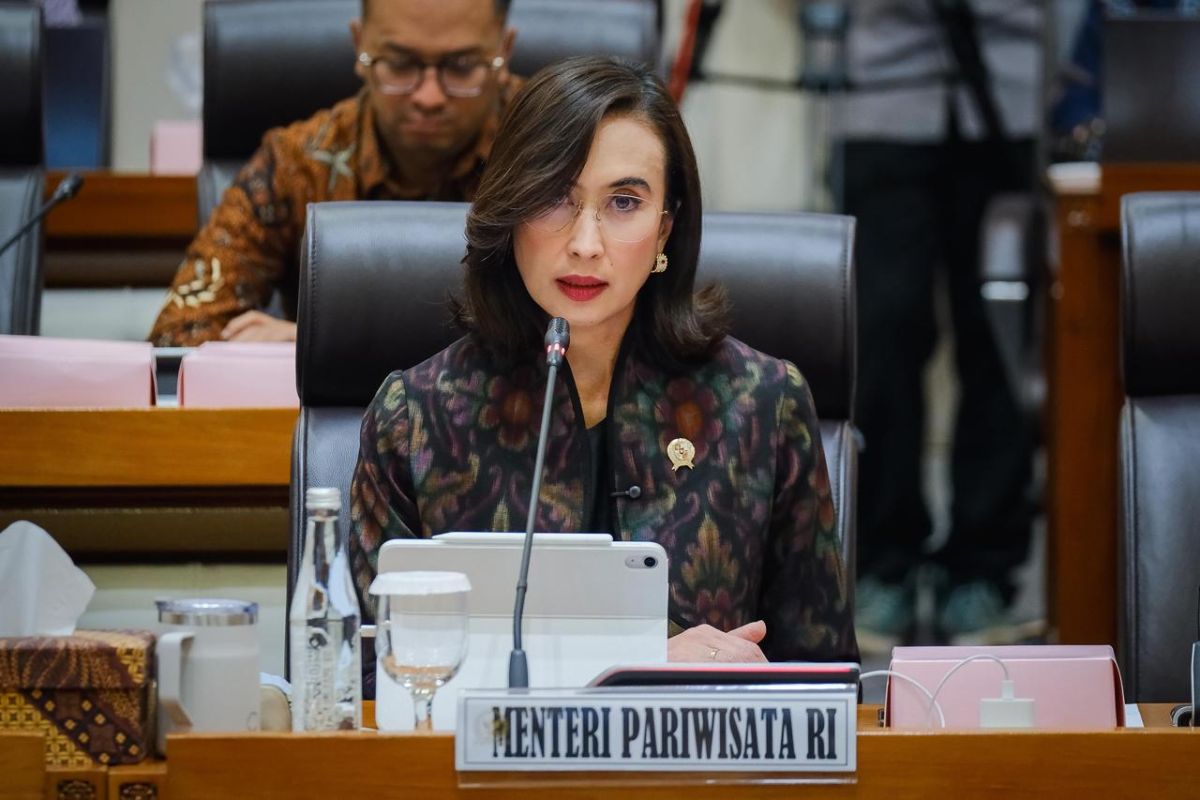
Tourism Minister Widiyanti Putri Wardhana stated that the government is taking mitigation steps to address the impact of global geopolitical dynamics on the performance of the national tourism business sector. “Global geopolitical dynamics certainly exert pressure on the tourism sector. However, we continue to implement mitigation measures to ensure that the national tourism performance targets remain on track,” she said, as quoted in a press release from the Ministry of Tourism in Jakarta on Wednesday. The Ministry of Tourism targets 16 million to 17.6 million foreign tourist visits during 2026. However, the global tourism business sector is facing pressure due to the war in the Middle East region. The closure of Iranian airspace from 28 February to 28 March 2026 is causing disruptions to flights from six major international flight hubs, including Abu Dhabi, Doha, Dubai, Jeddah, Madinah, and Muscat. This situation is leading to the cancellation of around 770 flights to Jakarta, Bali, and Medan, estimated to result in the loss of opportunities for approximately 60,000 tourists to visit Indonesia. Pressure on the tourism sector also comes from the global rise in energy prices due to the war. The increase in energy prices triggers higher transportation costs, including cross-border transport service tariffs. “Amid global pressures, we need to move more adaptively. Market diversification, strengthened promotion, and optimisation of domestic tourism are key to ensuring the tourism sector remains a driver of the national economy,” said the Tourism Minister. To achieve the foreign tourist visit targets, the Ministry of Tourism is striving to shift focus to regions such as Southeast Asia and East Asia, as well as increasing tourism campaigns and promotions at the international level. In addition, the government is working to optimise cooperation with airlines on direct routes to Europe and America and encouraging the holding of events in border areas. According to her, the Ministry of Tourism’s priority programmes for 2026 are directed towards strengthening quality tourism that is safe, sustainable, and impactful on community economies. The Ministry of Tourism is conducting competency-based training and certification for tour guides, preparing destination safety guidelines, and mapping disaster-prone tourism areas as efforts to improve travel safety. The Ministry of Tourism is also striving to develop more than 6,200 tourism villages through community assistance programmes, tourism village certifications, and strengthening local tourism-based economic networks. Furthermore, the government is continuing the implementation of the Wonderful Indonesia Gastronomy, Wonderful Indonesia Wellness, Event by Indonesia, and Tourism 5.0 programmes, which began in 2025. The Tourism Minister stated that achieving national tourism performance targets requires cross-ministerial and institutional support. “We believe that with collaboration from all ministries and institutions, as well as support from the Indonesian House of Representatives, Indonesia’s tourism sector will remain resilient and able to maintain its contribution to national economic growth,” she said. Commission VII of the House of Representatives emphasised the importance of strengthening connectivity and increasing domestic tourist movements amid current global uncertainties. Meanwhile, member of Commission VII from the PDIP Faction, Putra Nababan, urged the government to anticipate changes in tourism patterns due to market shifts. He encouraged the government to implement visa-free policies, particularly for tourists from China and Australia.