
Government Maintains Energy Stability Amid Geopolitical Pressures
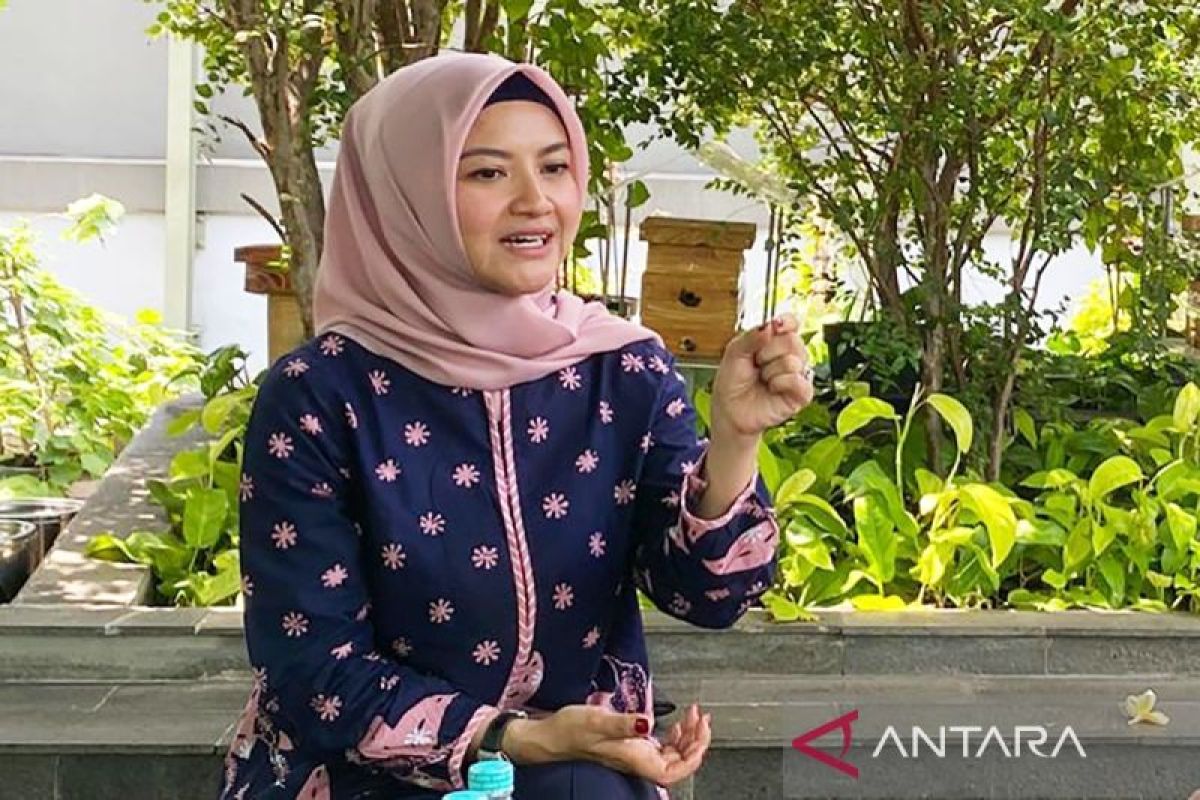
Jakarta (ANTARA) - The government is maintaining national energy stability amid geopolitical pressures in the West Asia region that have persisted for more than a month and affected many countries, including Indonesia, through proportional, measured, and adaptive steps. “The government continues to monitor these developments and take proportional, measured, and adaptive actions,” said Special Staff to the Vice President Tina Talisa in a written statement quoted in Jakarta on Thursday. According to her, the National Work Culture Transformation policy, which begins implementation on 1 April 2026, is part of the adaptation efforts to the dynamic global situation. Tina stated that the government respects various emerging views regarding the policy, including the implementation of remote working or work from home (WFH). “Work from home does not mean stopping work or resting, but rather adjusting the way of working to remain productive in dynamic situations,” said Tina Talisa. The government assesses that experiences during the COVID-19 pandemic demonstrated that government services and economic activities could still proceed even if partially conducted remotely. Furthermore, she emphasised that the changes only affect the way of working, not the commitment to public services, which remains the government’s top priority. Sectors requiring direct physical presence, such as healthcare workers, emergency services, transportation, and face-to-face public services, are ensured to operate fully without any reduction in services. From the energy perspective, according to her, the work pattern arrangement also provides benefits in the form of efficiency in petroleum fuel (BBM) consumption, along with reduced daily mobility, particularly work commutes in major cities. Although there is a shift in energy consumption to the household sector, the government assesses that overall efficiency can still be achieved with proper regulation without sacrificing productivity. The government states that this step is part of an ongoing adaptation process, with an approach that balances the optimisation of public services, efficient resource management, and the sustainability of societal activities amid the ongoing global dynamics.