
Government Intensifies Price and Food Distribution Monitoring Ahead of Eid
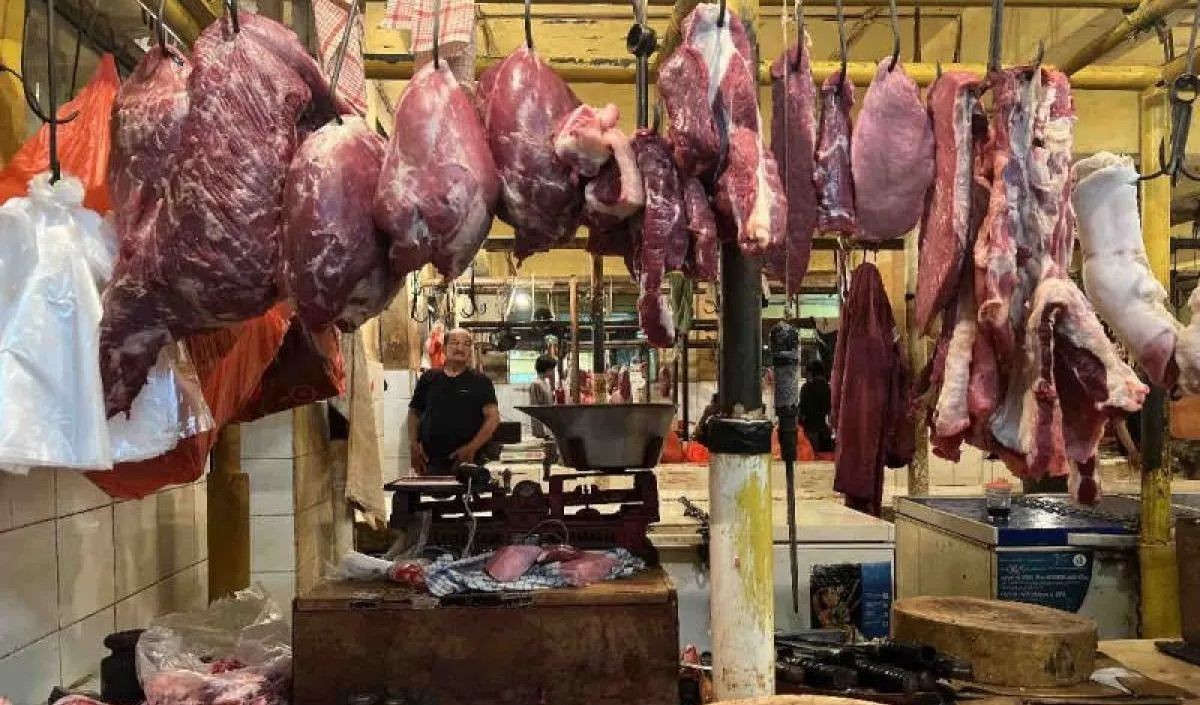
The government is strengthening surveillance of food prices, safety, and quality ahead of the end of Ramadan through to Eid al-Fitr 1447 Hijri to ensure stable food supply and prices amid increased public demand during the festive season.
Monitoring is being reinforced through coordination between central and regional governments, including optimisation of the Clean Sweep Task Force (Satgas Saber) to monitor price, safety, and food quality violations across various regions. Surveillance is focused on traditional markets and food distribution hubs to anticipate potential price spikes and unfair trading practices that harm consumers.
This was stated by I Gusti Ketut Astawa, Deputy for Food Availability and Stabilisation at the National Food Agency (Bapanas), during a Regional Inflation Control Coordination Meeting held by the Ministry of Home Affairs on Monday, 9 March. “This week is crucial as public demand tends to increase as Eid approaches. This is certainly a heavy responsibility for us all to maintain and control food prices,” Astawa said.
He emphasised the importance of active involvement from regional governments by tasking relevant departments to strengthen field monitoring alongside the Satgas Saber task force, particularly in traditional markets and major distribution routes. “Please ensure that department heads are deployed directly to the field during these weeks, as this is a critical period for potential food price fluctuations,” he stressed.
Based on national food price monitoring, several strategic commodities remain relatively stable. The national price of beef declined from Rp141,051 per kilogramme on 26 February 2026 to Rp139,801 per kilogramme on 4 March 2026. A similar trend occurred with curly red chilli, which fell from Rp46,707 to Rp46,095 per kilogramme during the same period.
However, several commodities still require attention, including red bird’s eye chilli, chicken eggs, and broiler chicken, which have experienced price increases in some regions. The national price of red bird’s eye chilli has shown a decline and ranges from Rp61,888 to Rp70,271 per kilogramme, though it remains above the Reference Sales Price (HAP).
Beyond price monitoring, the government is ensuring national food availability remains secure. Food balance projections indicate that stocks of strategic commodities such as rice, corn, chicken, chicken eggs, consumption sugar, and beef are sufficient to meet public needs during Ramadan through Eid al-Fitr.
To facilitate distribution, Bapanas continues to optimise the Food Distribution Facilitation (FDP) programme from surplus to deficit regions. By early March 2026, food mobilisation had reached 8,790 kilogrammes, with red bird’s eye chilli accounting for 5,590 kilogrammes of the distributed commodities, including shipments from Enrekang District to Kramat Jati Central Market (PIKJ) in Jakarta and several other consumer areas.
Additionally, surveillance has been strengthened through Satgas Saber task force posts across regions. Between 5 February and 4 March 2026, 37,857 monitoring activities were conducted at various food distribution points. From these monitoring results, follow-up actions were taken, including inspections of distributors and producers, issuance of warning letters, and sample collection for laboratory testing.
Bapanas hopes that the various stabilisation measures undertaken by the central government, including strengthened monitoring and food distribution facilitation, will be adopted and reinforced by regional governments to maintain food price stability in their respective areas. “Our hope is that when Bapanas has implemented various policy measures, including food distribution facilitation, these steps will be replicated and strengthened by regional governments,” Astawa concluded.