
Government Forms State-Owned Enterprise PT Danantara Sumberdaya Indonesia to Manage Export Governance
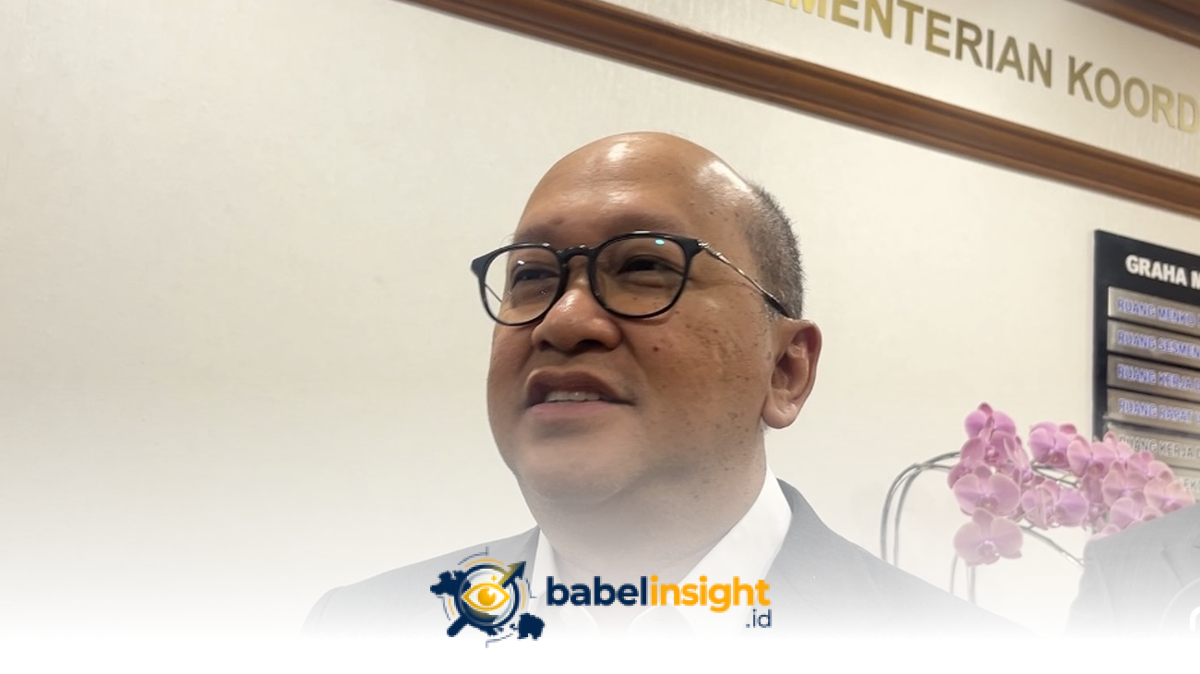
Indonesia has established a new state-owned enterprise (BUMN) named PT Danantara Sumberdaya Indonesia to strengthen governance and transparency of the national export trade. This strategic step is taken as a concrete effort to curb various trade fraud practices such as under-invoicing and transfer pricing on natural-resource commodities (SDA).
The establishment of the state-owned company was reported by Money and announced at the RAPBN press conference for the 2027 Fiscal Year at the DPR/MPR complex on Wednesday, 20 May 2026. The new company will operate under the supervision of the Badan Pengelola Investasi Danantara (Danantara Investment Management Agency).
Rosan Roeslani, Minister of Investment and Hilirisasi/Head of BKPM, explained that the national platform for governance of export of natural-resource commodities is designed to maximise benefits for the country.
‘The national platform for governance of export of natural-resource commodities (SDA) Indonesia adopts the concept “one platform, multiple-benefit”,’ said Rosan Roeslani, Minister of Investment and Hilirisasi/Head of BKPM.
The implementation of transactional transparency focuses on ensuring that the value of the commodity reflects the true value so that export proceeds are felt by the wider public.
‘The platform we have set up, I would put it as: It’s one platform, multiple-benefit. The world is happy, Indonesians are happier,’ added Rosan Roeslani.
The formation of this corporation is a direct follow-up to Government Regulation on the Governance of Export of Natural Resource Commodities, enacted by President Prabowo Subianto. The government has identified losses in tax revenue, royalties, and foreign exchange due to long-running mispricing of exports.
The initial phase of policy implementation involves a mandatory comprehensive reporting of value, volume, and price of commodities by exporters, scheduled to run from June to December 2026.
‘And of course we will see whether the declared value reflects a fair value in accordance with the market indices that exist globally,’ said Rosan Roeslani.
This new system is also targeted to create parity and clarity in international trade in line with global standardisation.
‘In fact, our presence here brings openness to all parties comprehensively, both buyers and sellers, in line with existing market prices,’ Rosan Roeslani said.
Minister of Economic Affairs Airlangga Hartarto stated that the regulation of trade in natural-resource commodities will be implemented gradually.
‘Well, the implementation will be carried out gradually to allow time for adjustments to changes in the export transaction process between exporters and overseas buyers,’ said Airlangga Hartarto.
In the first three months, business actors will still be allowed to transact directly with foreign buyers, but all administrative documents must be managed by the export state-owned enterprise.
‘This will apply for three months and we will evaluate after three months,’ said Airlangga Hartarto.
Supervision of exports of the main commodities in the initial phase will focus on coal, palm oil, and ferro alloys before expanding to other strategic commodities.
‘And this is planned per 1 September 2026,’ added Airlangga Hartarto.
Through the integration of a real-time monitoring digital platform, the government projects closing gaps in state expenditure leakage amounting to up to Rp 15,400 trillion due to large-scale fraud. All valuations of export goods will thereafter be benchmarked against official international market movements.